What This Document Is
This resource is a focused exploration of rangeland management techniques, specifically examining the role of livestock in promoting biodiversity within the sagebrush steppe ecosystem. It delves into the ecological relationships between plant communities, grazing patterns, and overall rangeland health. This isn’t a general overview of rangeland management, but a targeted investigation into utilizing livestock as a tool for ecological improvement. It’s designed for students and professionals seeking a deeper understanding of applied ecological principles in a western landscape context.
Why This Document Matters
This material will be particularly valuable for students enrolled in rangeland management, ecology, or wildlife courses. Professionals involved in land stewardship, conservation, or livestock management will also find it beneficial. It’s most useful when you’re looking for detailed insights into practical strategies for addressing biodiversity loss and improving the health of sagebrush steppe environments. Understanding the concepts presented can inform decision-making related to grazing plans, habitat restoration, and overall rangeland assessment.
Topics Covered
* The ecological importance of biodiversity in sagebrush steppe ecosystems
* The impact of historical land management practices on plant community composition
* Strategies for managing woody plant encroachment
* The role of livestock grazing in influencing plant dynamics
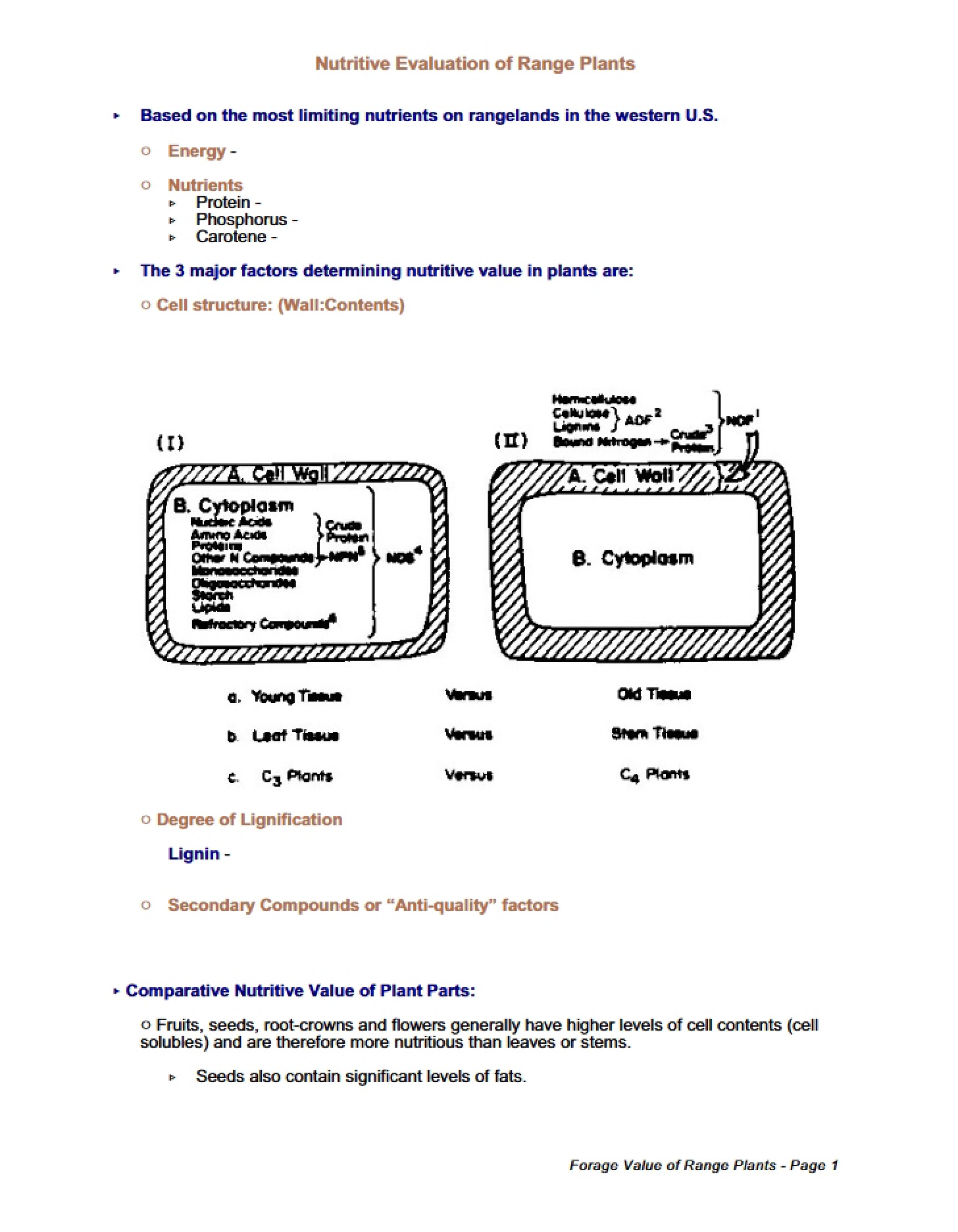
* Nutritional considerations for livestock used in targeted grazing applications
* The timing and intensity of grazing for specific ecological outcomes
* Supplemental feeding strategies to enhance livestock effectiveness
What This Document Provides
* A focused discussion on the interplay between livestock, plant communities, and biodiversity.
* An examination of the factors influencing livestock preferences for certain plant species.
* Considerations for optimizing grazing strategies to achieve desired ecological results.
* Information regarding supplemental formulations designed to influence livestock behavior.
* Insights into the seasonal timing of grazing to maximize ecological benefits.
* A framework for understanding how to apply behavioral principles to rangeland management.