What This Document Is
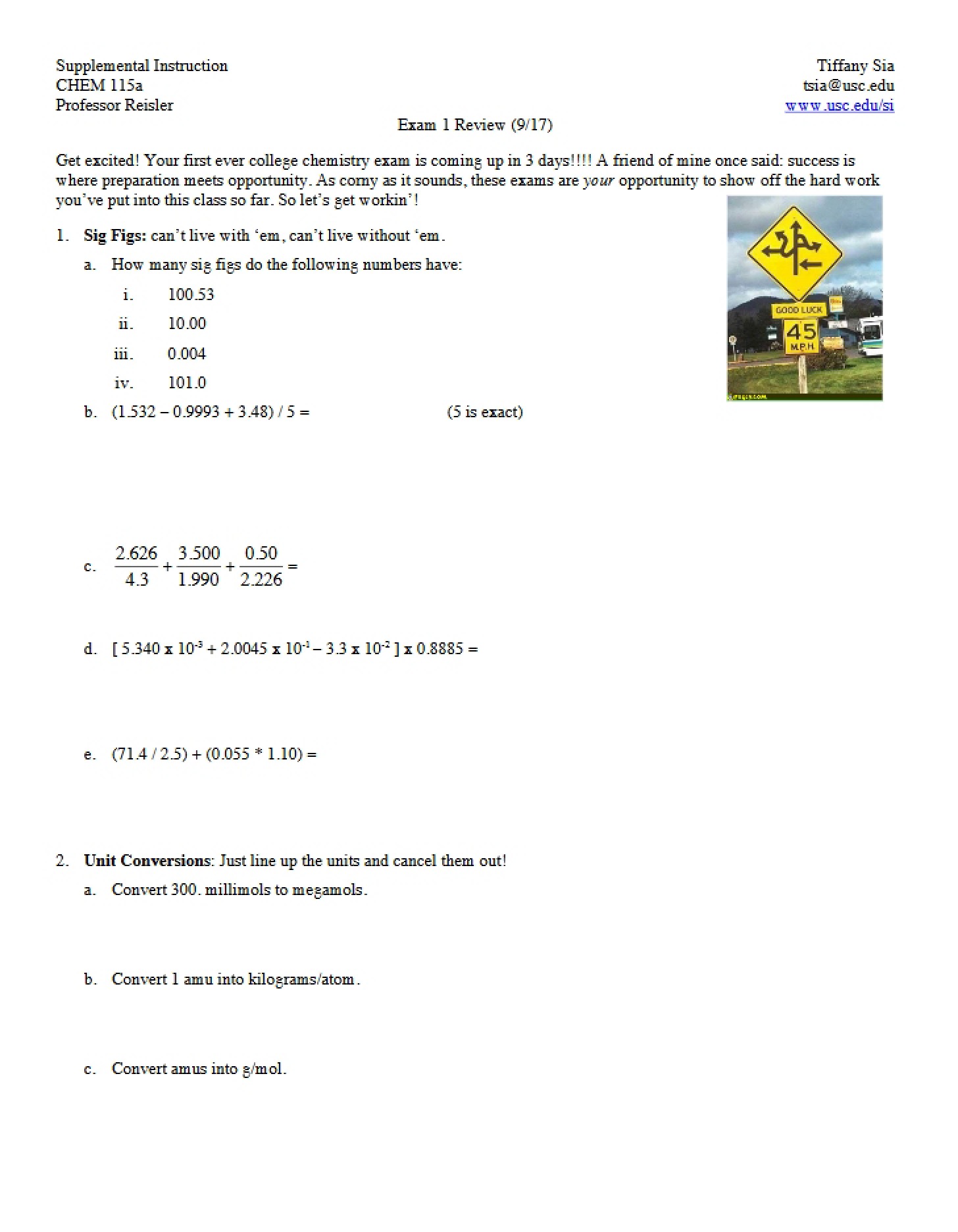
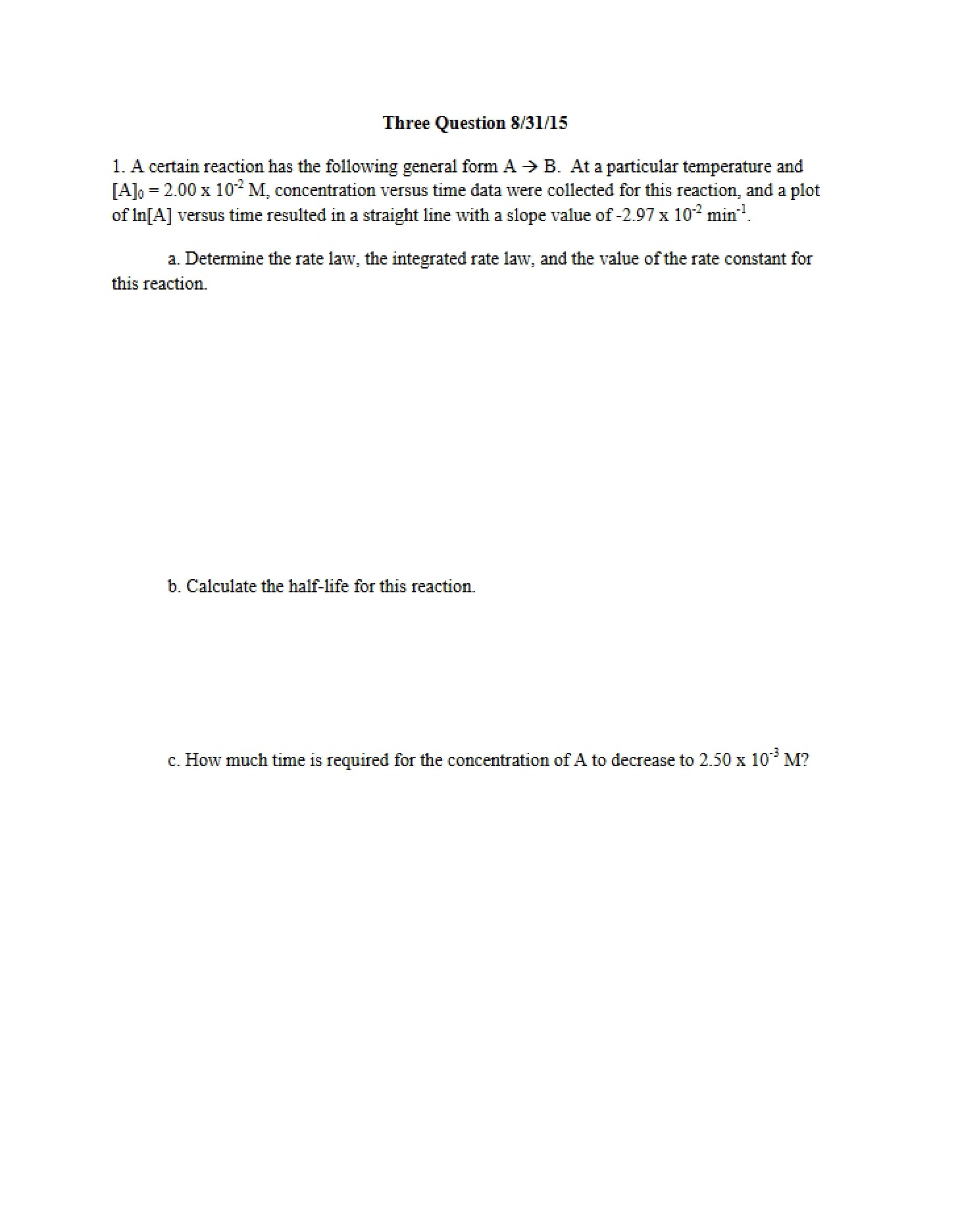
This is a sample test for CHEM 105, General Chemistry, at the University of Southern California. It’s designed to assess your understanding of core concepts typically covered in the third exam of the course. The test focuses on applying fundamental principles to problem-solving, rather than simple recall of definitions. Expect questions that require calculations and conceptual reasoning.
Why This Document Matters
This resource is invaluable for students preparing for their own exams in CHEM 105. Working through this sample test under timed conditions will help you identify areas where your understanding is strong and where further study is needed. It’s particularly useful for gauging your preparedness and becoming familiar with the types of questions and the level of difficulty you can expect on the actual assessment. Utilizing this test as part of your study routine can significantly improve your performance and reduce test-day anxiety.
Common Limitations or Challenges
Please remember that this is *one* sample test. It represents a selection of topics and question styles, but it doesn’t encompass the entirety of the course material. It should be used as a supplement to your notes, textbook readings, and other study resources, not as a replacement for them. This document does not include explanations of the solutions, so you’ll need access to course materials or instructor support to fully understand the concepts tested.
What This Document Provides
* A range of quantitative problems related to thermochemistry and energy changes.
* Questions assessing understanding of enthalpy, heat transfer, and specific heat capacity.
* Problems involving Hess’s Law and the determination of enthalpy changes for reactions.
* Questions related to atomic structure, electron configuration, and quantum numbers.
* Problems applying the principles of ionization energy and atomic radii.
* Calculations involving the wave-particle duality of matter and the de Broglie wavelength.
* A periodic table and a list of useful equations for reference.
* A clear indication of point values for each question, reflecting their relative importance.