What This Document Is
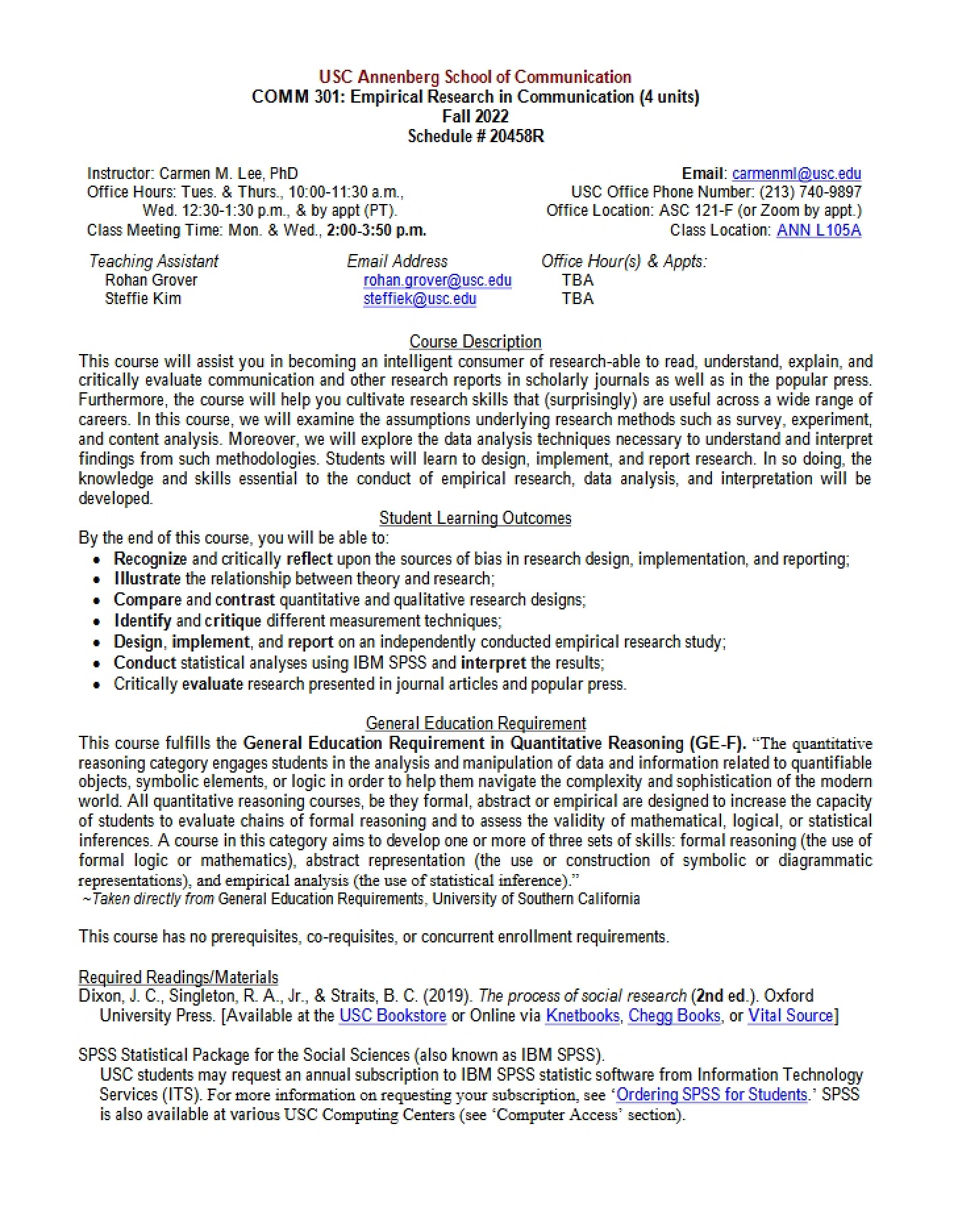
This resource is a set of lecture materials focusing on non-probability sampling techniques within the context of empirical research, specifically geared towards communication studies. It delves into the core principles of selecting participants for research when traditional, mathematically-driven methods aren’t feasible or optimal. The material explores the rationale behind utilizing non-probability approaches and outlines several distinct methods researchers employ.
Why This Document Matters
Students enrolled in research methods courses – particularly those in communication, sociology, or related fields – will find this material highly valuable. It’s especially useful when grappling with research designs where achieving a truly random sample is impractical, too costly, or simply doesn’t align with the research question. Understanding these techniques is crucial for designing and evaluating studies across a wide range of qualitative and quantitative research scenarios. Researchers facing unique populations or exploratory research questions will benefit from a strong grasp of these concepts.
Common Limitations or Challenges
This material focuses on *understanding* the different non-probability sampling methods. It does *not* provide detailed statistical calculations for assessing error or generalizability. It also doesn’t offer a comparative analysis of which method is “best” for every situation; rather, it lays the groundwork for making informed decisions based on specific research needs. The material will not provide ready-made templates or step-by-step guides for implementation.
What This Document Provides
* A clear distinction between probability and non-probability sampling.
* An exploration of the circumstances where non-probability sampling is a suitable approach.
* An overview of several key non-probability sampling techniques.
* Discussion of the advantages and considerations when using non-probability methods.
* Insight into the importance of representativeness when employing these techniques.