What This Document Is
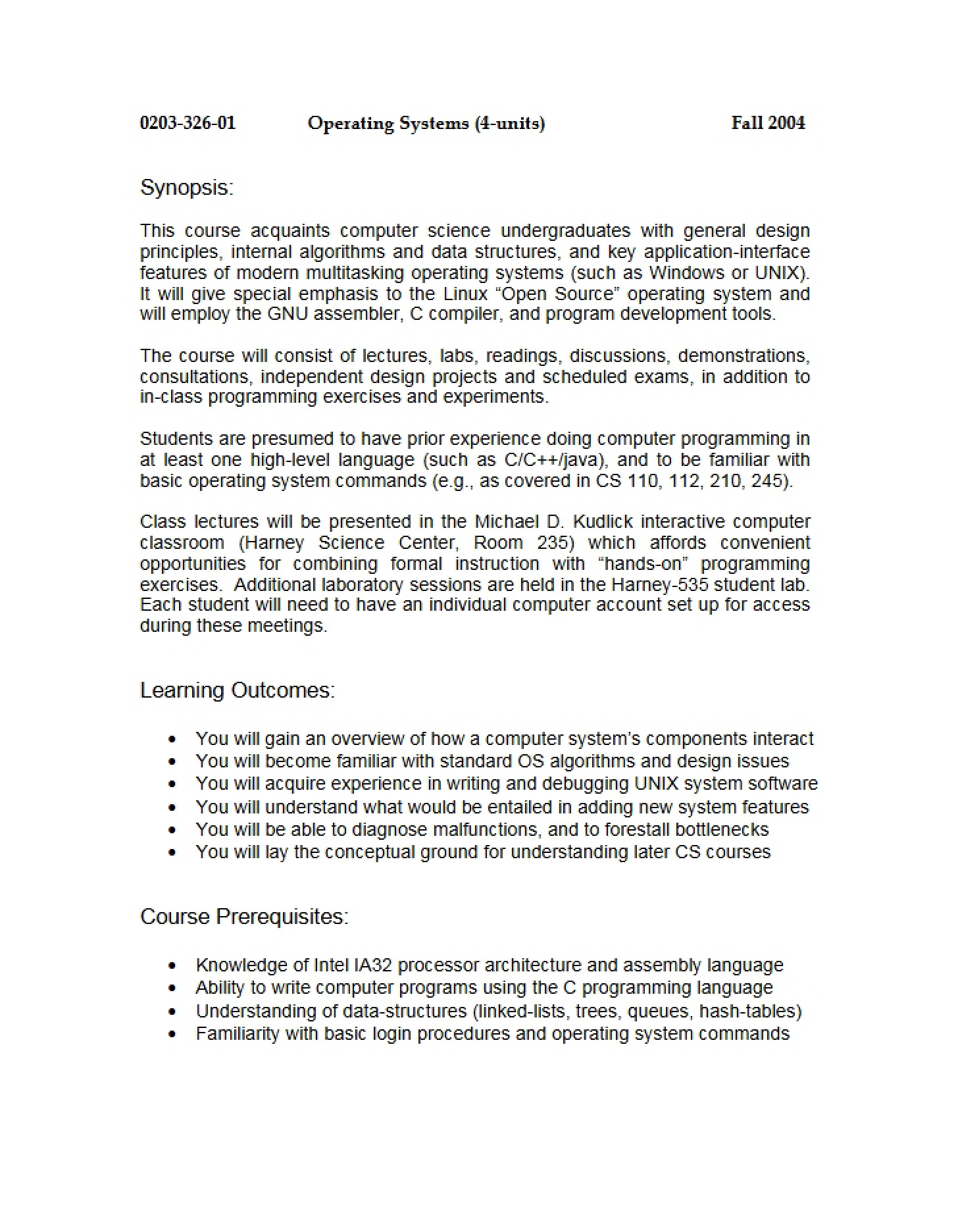
This is a focused exploration of task scheduling within the context of operating systems, specifically as implemented in Linux. It delves into the core principles governing how an operating system decides which processes get access to the CPU and when. The material examines different scheduling approaches and the trade-offs inherent in optimizing system performance. It’s designed for students seeking a deeper understanding of the mechanisms that underpin efficient multitasking.
Why This Document Matters
This resource is invaluable for computer science students enrolled in Operating Systems courses, particularly those using Linux as a primary learning environment. It’s beneficial when you need to grasp the theoretical foundations of process management and how those theories translate into practical system behavior. It will help you analyze and understand the impact of different scheduling algorithms on system responsiveness, throughput, and fairness. This is a key area for anyone aiming to develop or administer operating systems, or to optimize application performance within a given OS environment.
Common Limitations or Challenges
This material focuses on the *concepts* and *strategies* behind task scheduling. It does not provide a comprehensive guide to implementing a scheduler from scratch, nor does it offer detailed code-level explanations of the Linux kernel’s scheduling functions. It also assumes a foundational understanding of operating system principles like processes, threads, and interrupts. Practical application and debugging of scheduling issues require separate, hands-on experience.
What This Document Provides
* An overview of the different levels of scheduling decisions made by an operating system (long-term, medium-term, and short-term).
* A discussion of the competing goals of a modern OS scheduler – balancing user experience with system efficiency.
* An examination of common fairness algorithms used in scheduling.
* A distinction between CPU-bound and I/O-bound tasks and how an OS can differentiate between them.
* Insights into how dynamic priorities can be used to improve system responsiveness.
* Suggestions for practical exercises to reinforce understanding of task behavior.