What This Document Is
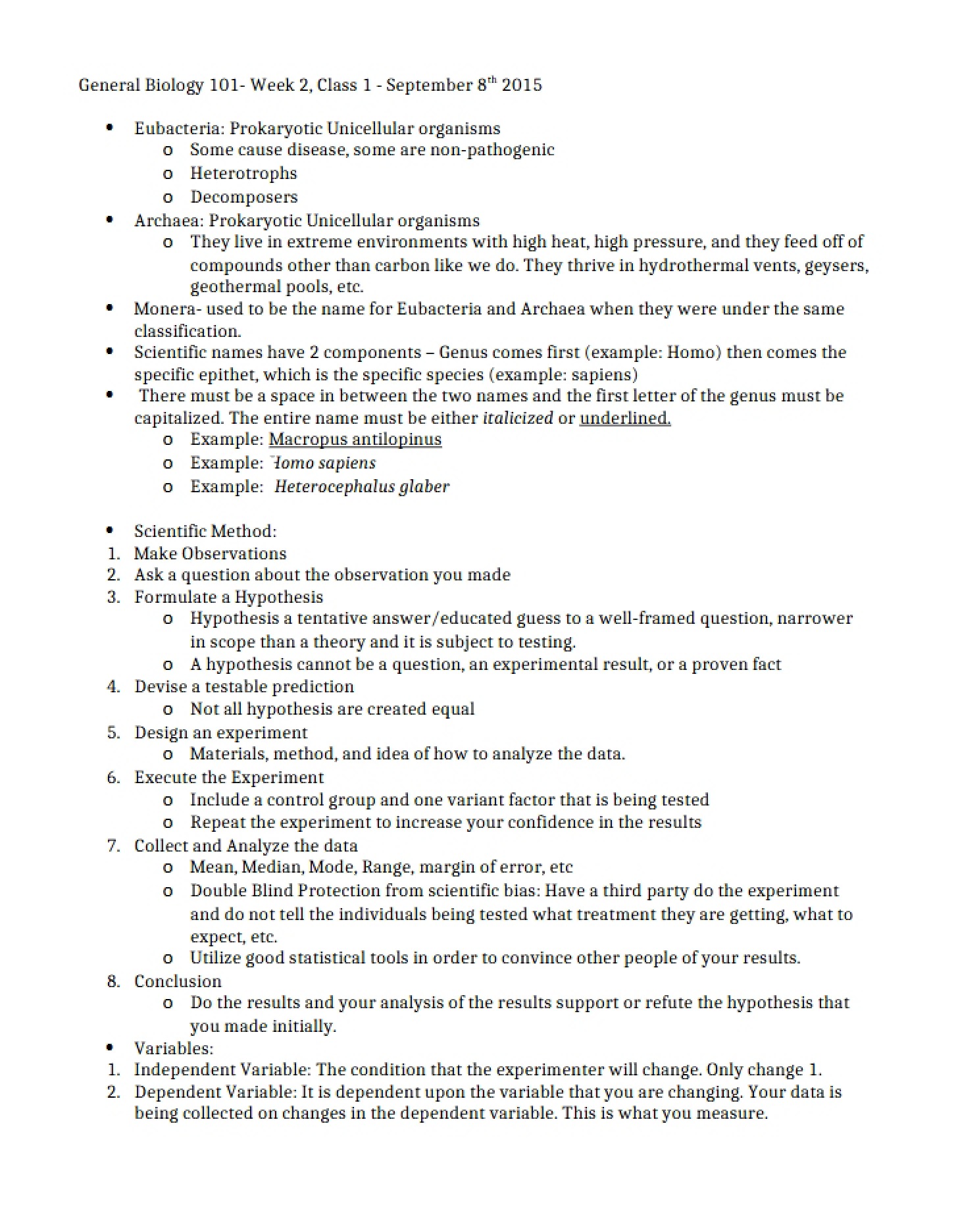
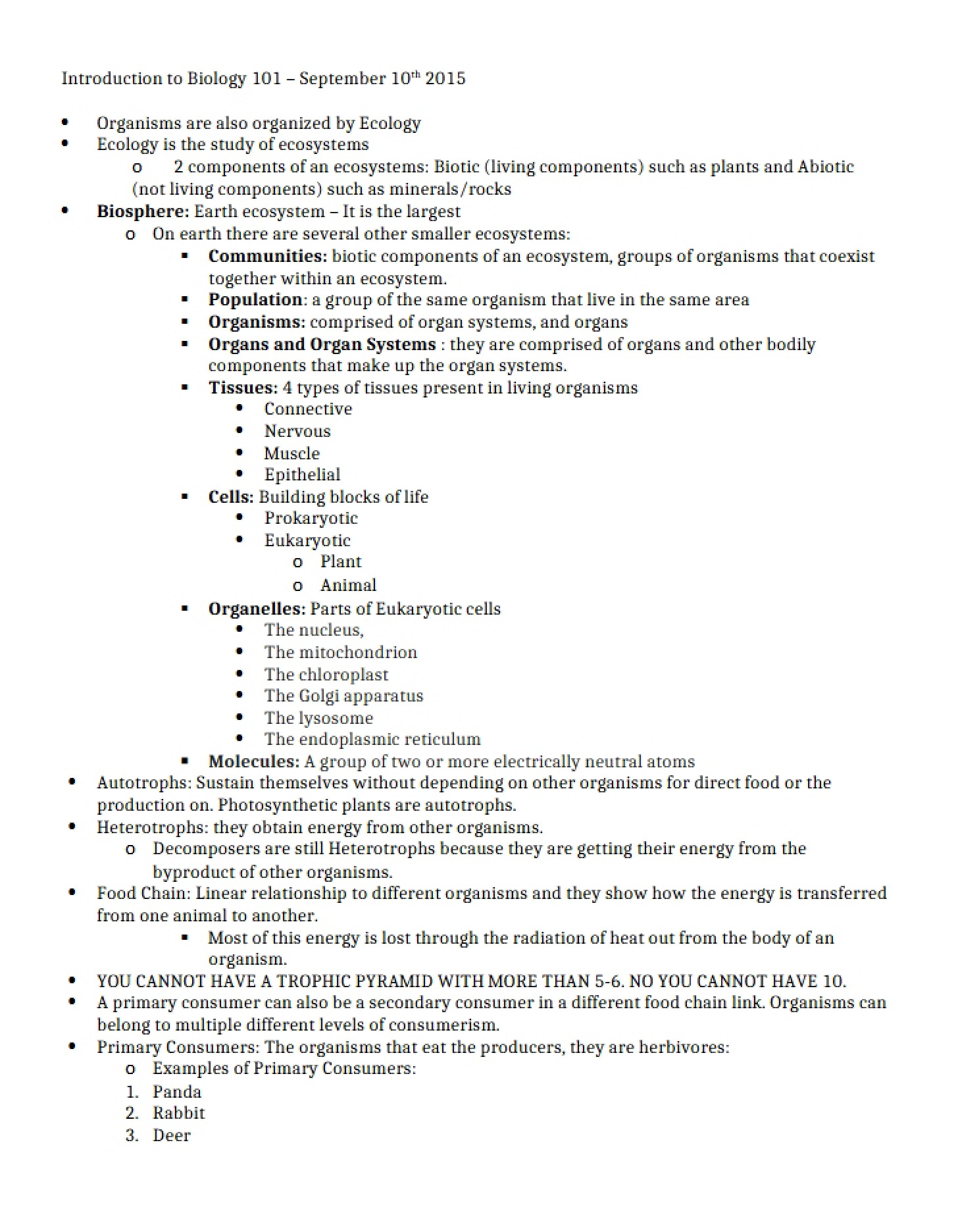
This resource is a foundational chapter exploring the core principles of the scientific method within the context of introductory biology. Specifically designed for BIO 101 students at the University of California, Los Angeles, it lays the groundwork for understanding how biological concepts are investigated and understood. It delves into the fundamental characteristics that define life itself, setting the stage for more complex topics covered throughout the course.
Why This Document Matters
This chapter is crucial for any student beginning their journey in biology. It’s particularly helpful for those needing a refresher on the basic properties of life and the hierarchical systems used to classify organisms. Students will find this material beneficial when first encountering experimental design, data analysis, and the broader principles of scientific inquiry. Understanding these concepts early on will significantly improve comprehension of subsequent course material and lab work. It’s a valuable resource for review before quizzes and exams focusing on foundational biological principles.
Topics Covered
* The defining characteristics of living organisms
* Principles of biological classification and taxonomy
* Distinctions between major groups of organisms (animals, plants, fungi, protists)
* Fundamental differences between prokaryotic and eukaryotic cells
* The concept of homeostasis and its importance in living systems
* Evolutionary adaptation and its role in the diversity of life
* Key properties essential for life’s continuation
What This Document Provides
* An overview of the core principles that underpin the study of biology.
* A structured exploration of the characteristics that differentiate living things.
* A foundational understanding of how organisms are categorized and named.
* Insights into the unique features of major biological kingdoms.
* A framework for understanding the evolutionary processes shaping life on Earth.
* A starting point for further exploration into the complexities of biological systems.