What This Document Is
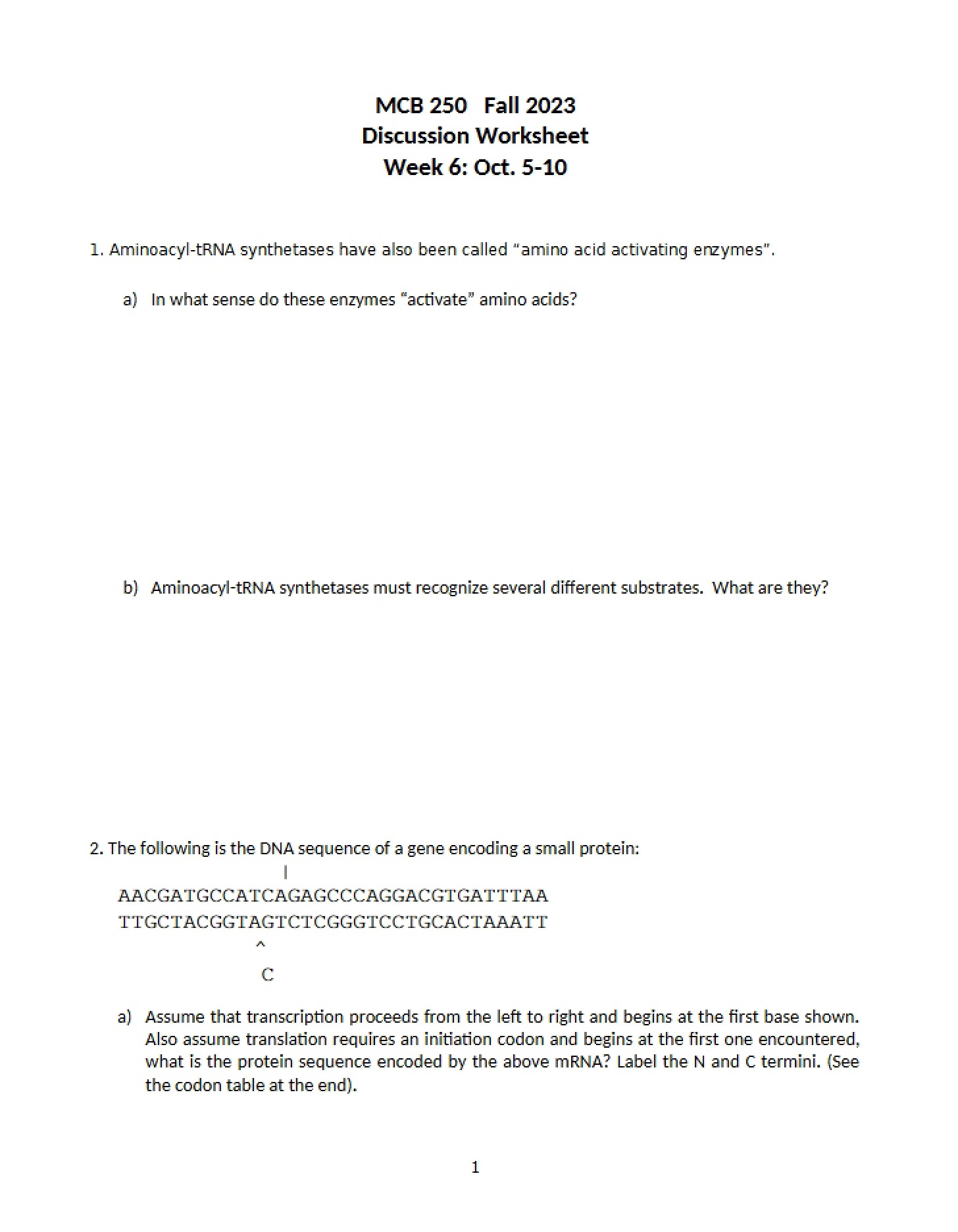
This document is a past examination for Molecular Genetics (MCB 250) at the University of Illinois at Urbana-Champaign. It’s designed to assess understanding of core principles within the field of genetics, with a particular focus on molecular mechanisms. The exam covers a range of topics, indicating a comprehensive evaluation of the course material up to a specific point in the semester. It’s formatted as a traditional exam with multiple-choice and short-answer questions.
Why This Document Matters
This resource is invaluable for students currently enrolled in or preparing for a similar molecular genetics course. It provides a realistic assessment of the types of questions and the level of detail expected by instructors. Utilizing this exam as a study tool allows students to identify knowledge gaps and focus their preparation efforts. It’s particularly useful for self-assessment and practice under timed conditions, simulating the actual exam environment. Students who are looking to solidify their understanding of key concepts and test their ability to apply them will find this exam beneficial.
Common Limitations or Challenges
Please note that this is a specific exam from a past semester and may not perfectly reflect the content or emphasis of your current course. While the core principles of molecular genetics remain constant, specific details, research findings, or instructor preferences may differ. This document does *not* include an answer key or detailed explanations of the correct responses. It is intended as a practice tool, not a substitute for thorough studying and understanding of the course material.
What This Document Provides
* A variety of question formats commonly found in molecular genetics assessments.
* Coverage of fundamental concepts including DNA and RNA structure and function.
* Questions relating to the processes of DNA replication, transcription, and translation.
* Assessment of understanding of genetic code and its implications.
* Questions pertaining to gene regulation and expression.
* Problems relating to protein structure and function.
* Questions related to microbial genetics (though some have been removed).
* A sense of the scope and depth of material covered in an upper-level molecular genetics course.