What This Document Is
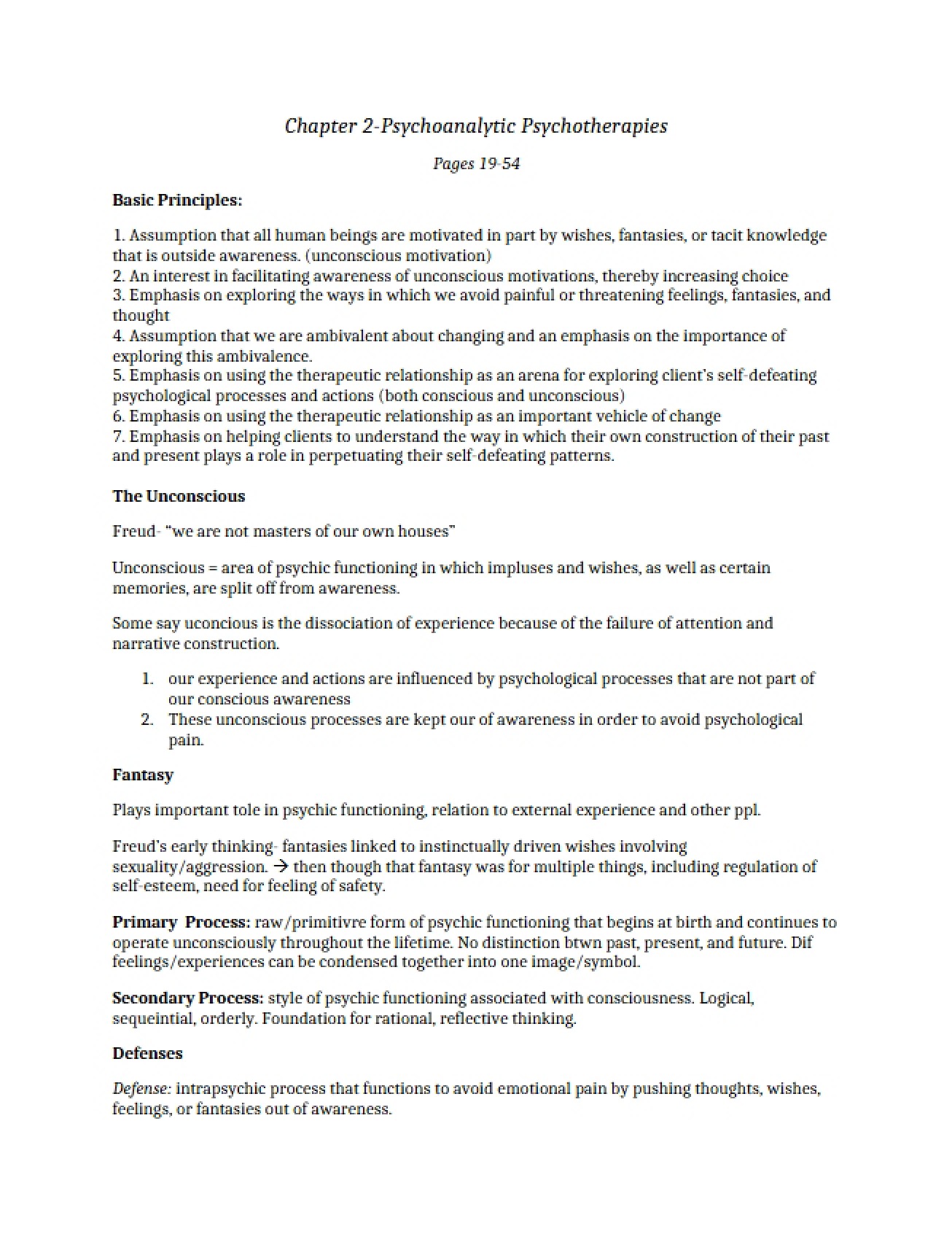
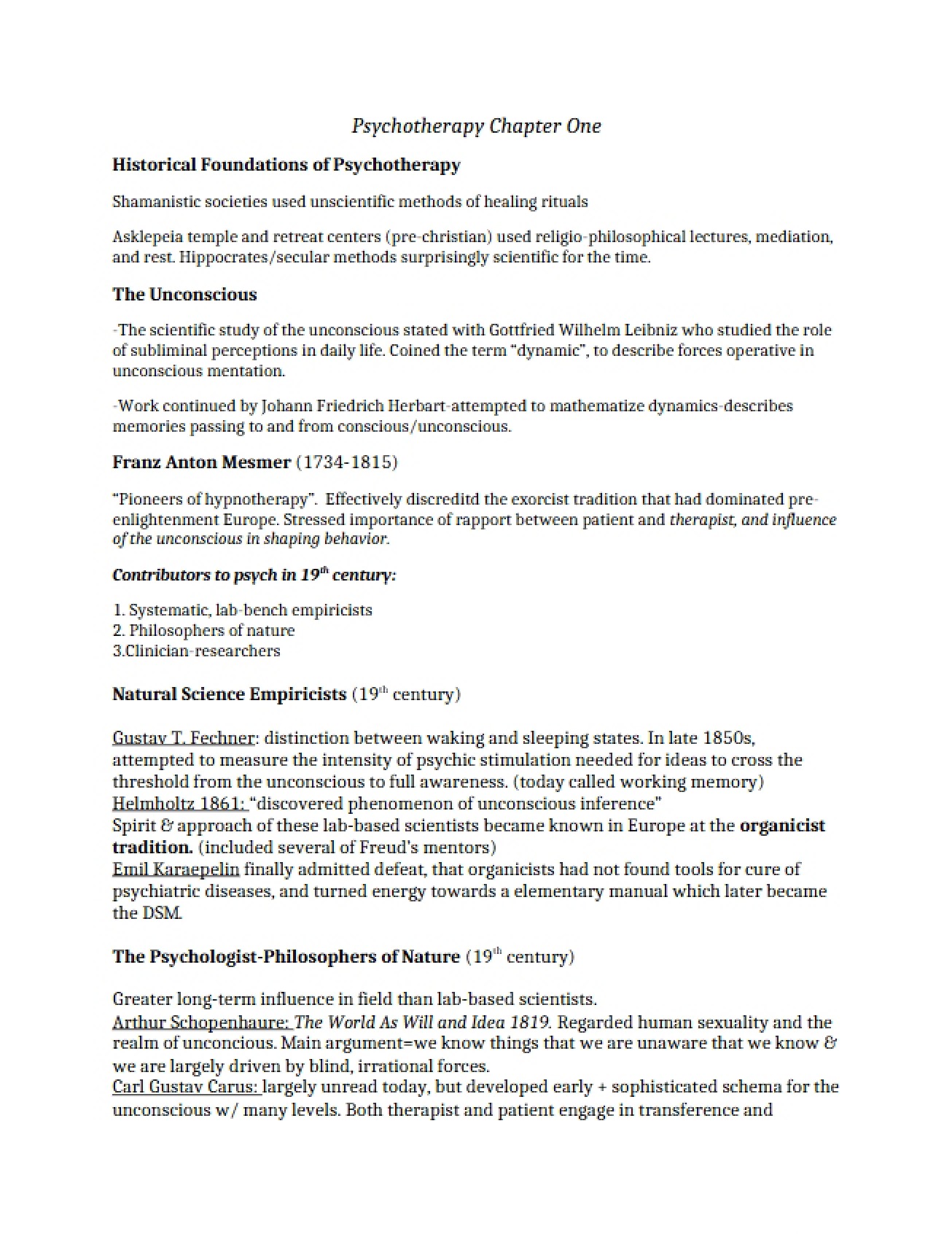
These are lecture notes covering Rational Emotive Behavior Therapy (REBT), as presented in PSYC 360 at Binghamton University. The notes summarize key concepts from Chapter 5 and focus on the core principles, historical context, and comparisons to other therapeutic approaches within the field of psychotherapy. This document is designed to aid in exam preparation and review of lecture material.
Why This Document Matters
These notes are essential for students enrolled in PSYC 360 who need a concise review of REBT. They are particularly useful when studying for the second exam, offering a focused overview of a significant therapeutic modality. Understanding REBT is crucial for anyone pursuing a career in psychology or related fields, as it represents a foundational approach to cognitive-behavioral therapies.
Common Limitations or Challenges
This document provides a summary of lecture content and key points; it does *not* substitute for attending lectures, completing assigned readings, or engaging with the full textbook material. It’s a study aid, not a comprehensive textbook replacement. It also doesn’t offer practical application exercises or case studies – it focuses on theoretical understanding.
What This Document Provides
This preview includes:
* An overview of REBT’s practical and philosophical foundations.
* A listing of the basic propositions of REBT, outlining its core beliefs about human nature and change.
* A comparison of REBT to Psychoanalysis, Jungian Therapy, Person-Centered Therapy, and Cognitive Therapy, highlighting similarities and differences.
* A brief history of REBT and the contributions of Albert Ellis and influential predecessors.
* Information on the current status and recognition of REBT within the field of clinical psychology.
This preview *does not* include detailed therapeutic techniques, case examples, or in-depth analysis of specific irrational beliefs. The full document expands on these areas.