What This Document Is
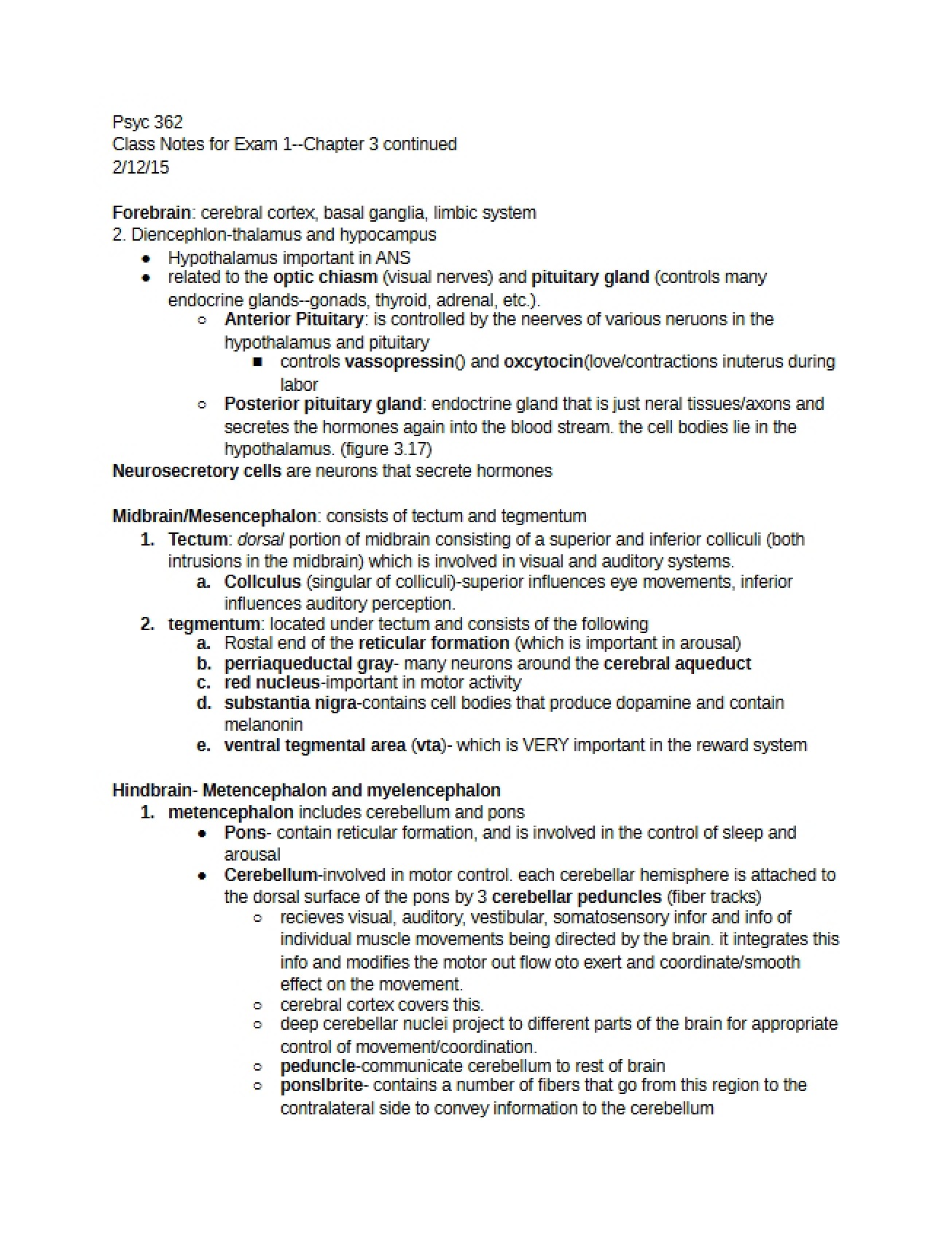
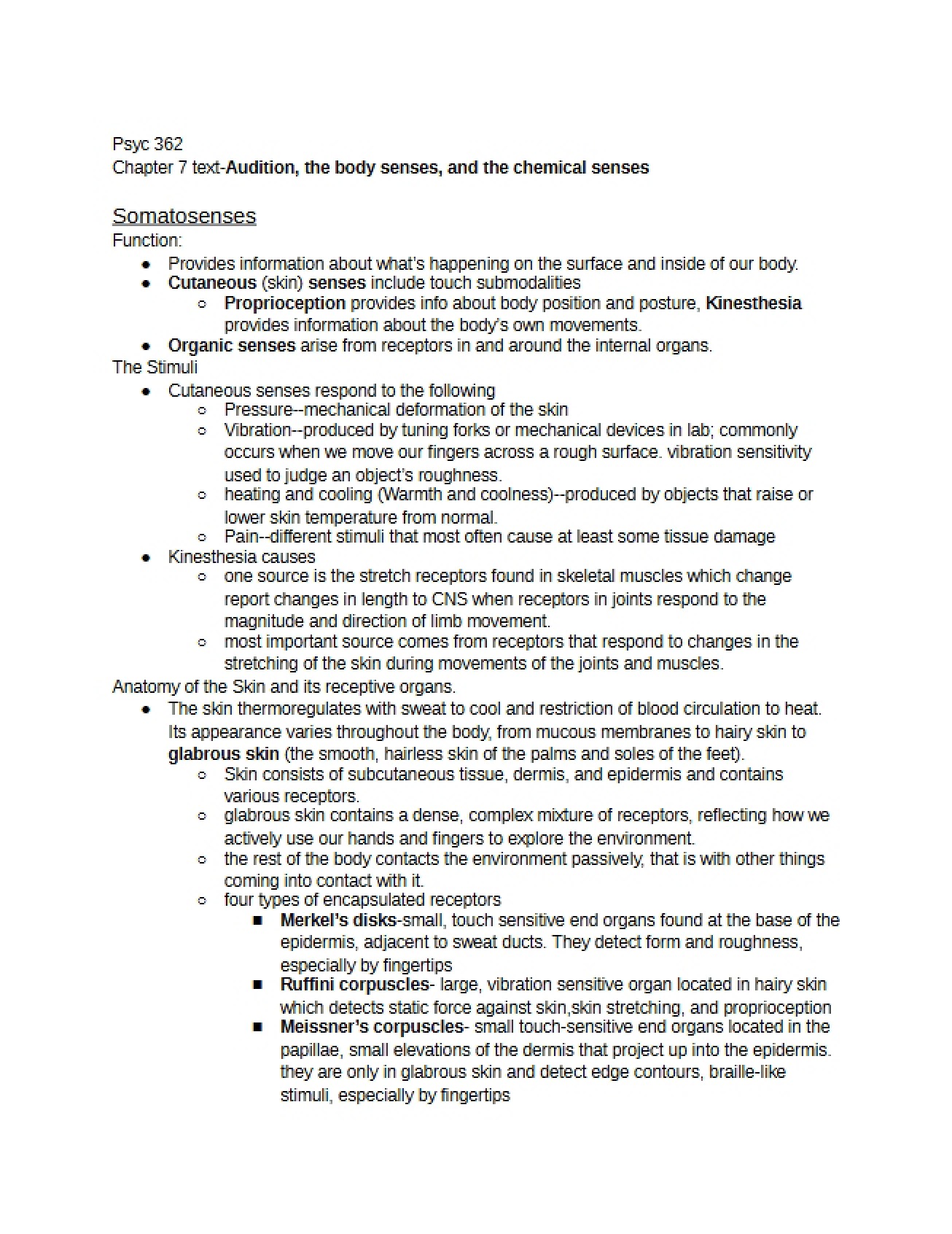
This document is a second exam focused on the principles of psychopharmacology, a core component of the Behavioral Neuroscience (PSYC 362) course at Binghamton University. It serves as a review of key concepts related to how drugs interact with the nervous system and influence behavior. The material covers fundamental principles of pharmacology and drug effectiveness.
Why This Document Matters
This exam is crucial for students enrolled in PSYC 362 to demonstrate their understanding of how pharmacological agents impact neurological processes and behavioral outcomes. It’s designed to assess comprehension of topics covered in lectures and readings related to drug administration, mechanisms of action, and the measurement of drug efficacy. Successful performance on this exam contributes significantly to the overall course grade.
Common Limitations or Challenges
This exam preview provides an overview of the topics covered but does *not* offer solutions, detailed explanations, or practice questions. It’s a snapshot of the content, not a substitute for studying the full course materials. Students will still need to engage with the textbook, lecture notes, and other resources to fully prepare.
What This Document Provides
The full exam covers these areas:
* Definitions of psychopharmacology and drugs.
* The two major aspects of drug influence: drug effects and sites of action.
* Pharmacokinetics, including absorption (various methods like intravenous, oral, inhalation), distribution, metabolism, and excretion.
* Concepts of drug effectiveness, including dose-response curves, effective dose, lethal dose, therapeutic index, and margin of safety.
* Factors influencing drug effectiveness, such as affinity and potency.
This preview *does not* include the actual exam questions, answers, or detailed explanations of complex concepts. It is intended to provide a high-level understanding of the exam’s scope.