What This Document Is
This document is a second midterm examination for MCB 160L, Neurobiology Laboratory, offered at the University of California, Berkeley. It assesses student understanding of core concepts covered in the course, focusing on advanced topics within neurobiology and developmental biology. The exam is designed to evaluate analytical and problem-solving skills related to complex biological processes.
Why This Document Matters
This midterm is an invaluable resource for students currently enrolled in MCB 160L, or those preparing for similar upper-division neurobiology courses. It’s particularly helpful for self-assessment, identifying knowledge gaps, and understanding the types of questions and the level of detail expected by the instructor. Reviewing a completed exam – once access is granted – can significantly improve exam performance and overall comprehension of the subject matter. It’s best utilized *after* completing related coursework and studying key concepts.
Topics Covered
* Developmental Biology: Morphogen gradients (spatial & temporal) and cell fate determination.
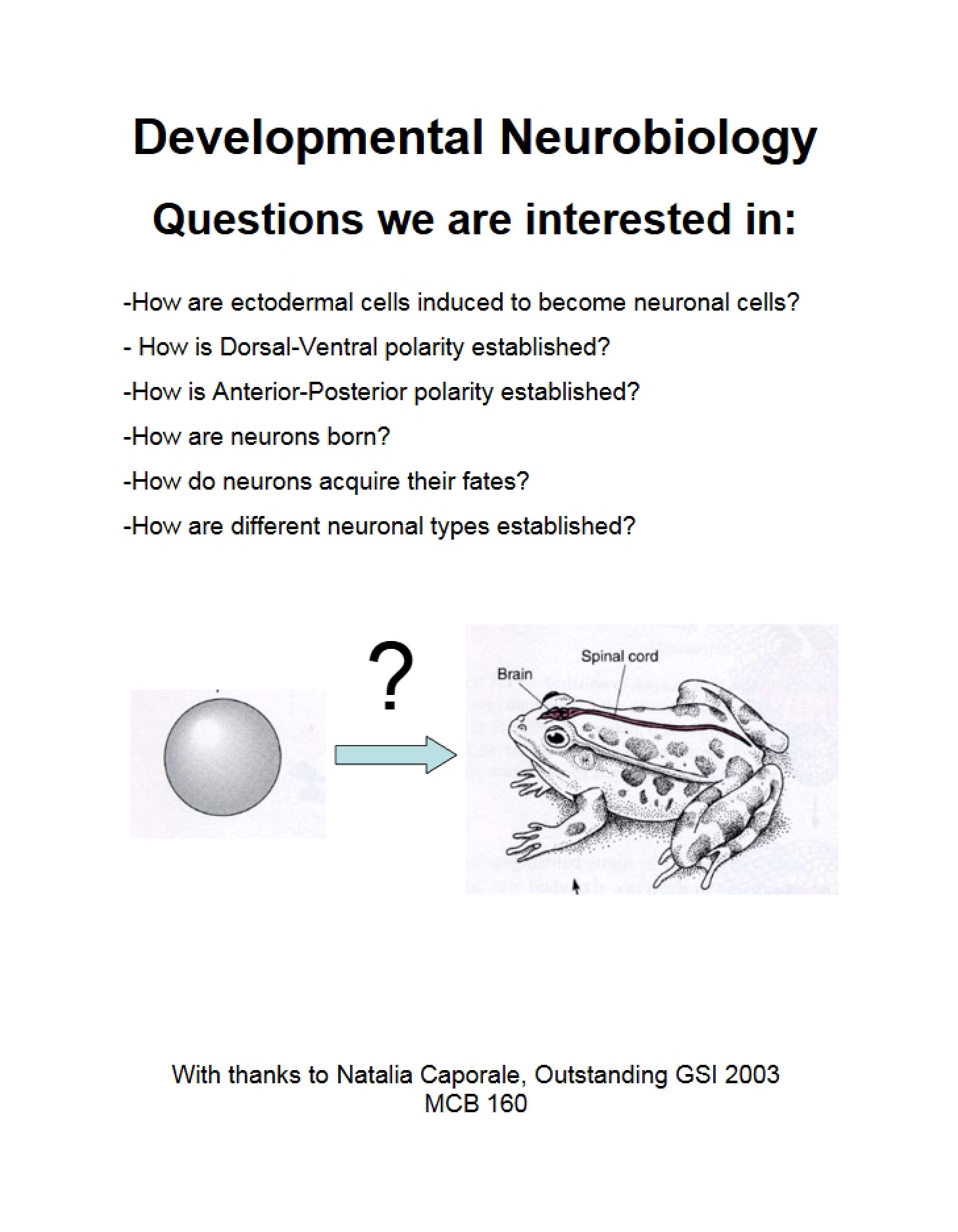
* Neural Development: Retinal projections and topographic mapping.
* Sensory Neurobiology: Mechanisms of taste transduction.
* Chemoaffinity Hypothesis: Principles and experimental evidence.
* Signaling Pathways: Role of various signaling molecules in neural development and sensory perception.
What This Document Provides
* A full, previously administered midterm exam with a substantial point value.
* A variety of question types designed to test conceptual understanding.
* Insight into the exam format and question style used in MCB 160L.
* A framework for evaluating your preparedness for assessments on neurodevelopment and sensory systems.
* A detailed scoring rubric for each question, allowing for self-evaluation (upon access).