What This Document Is
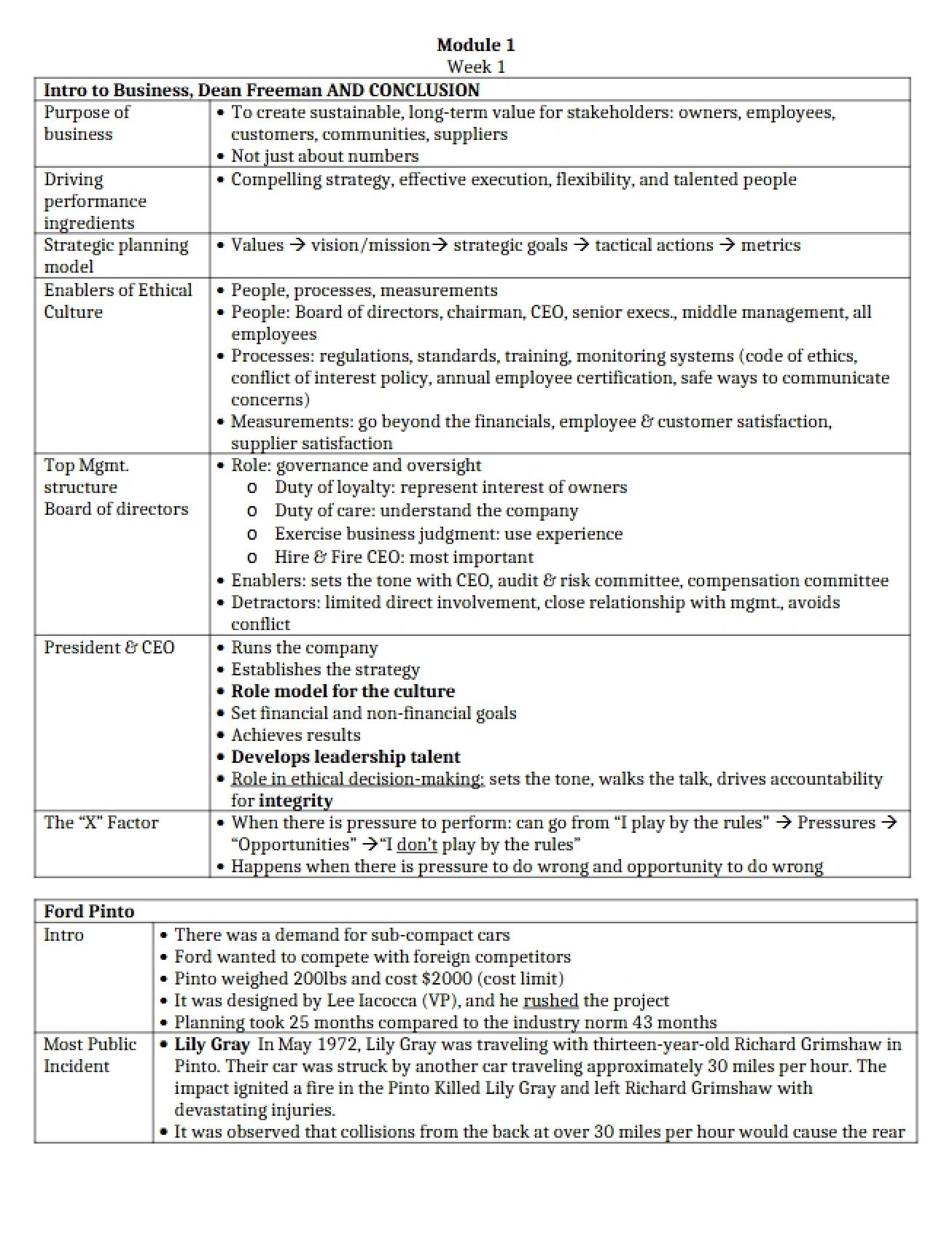
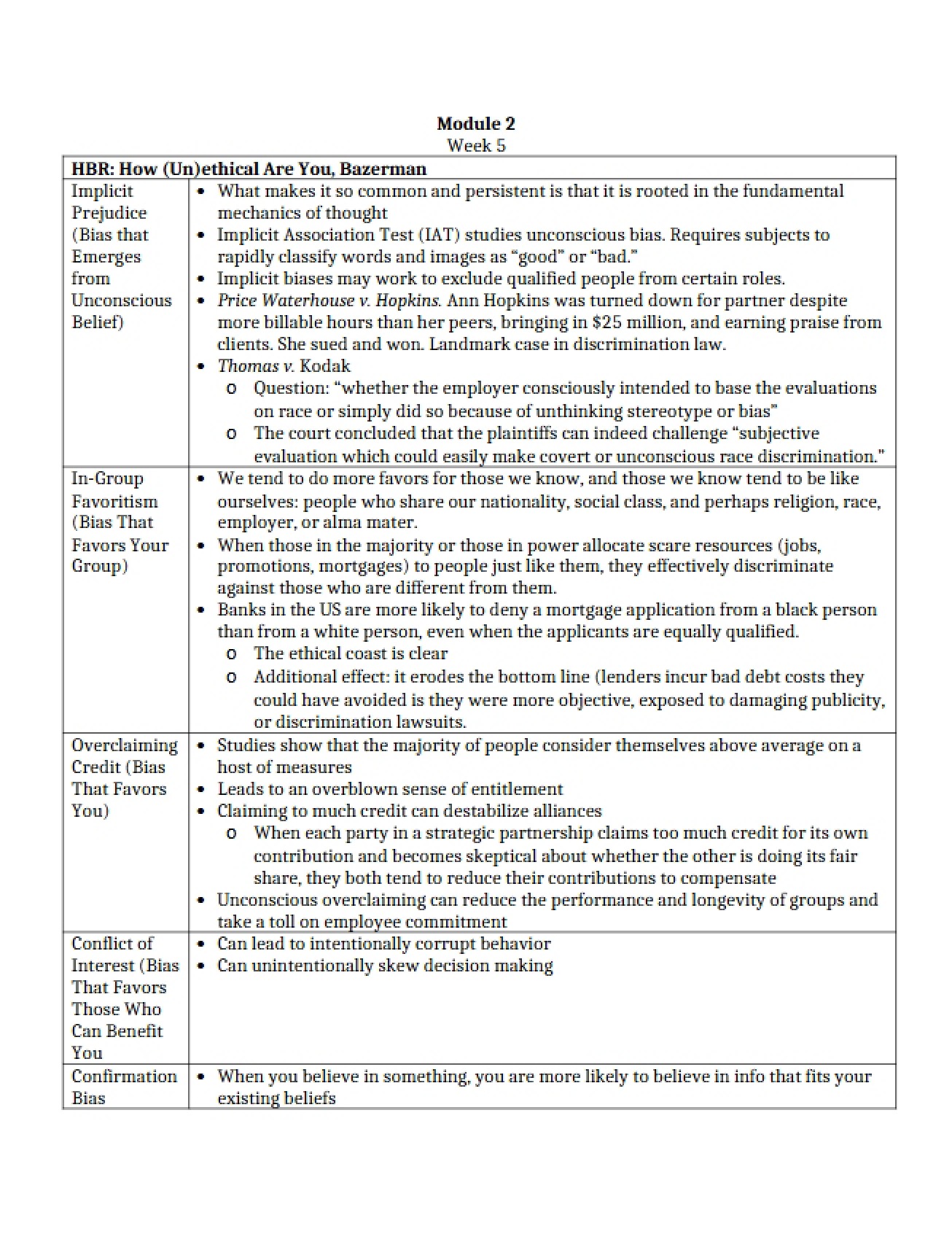
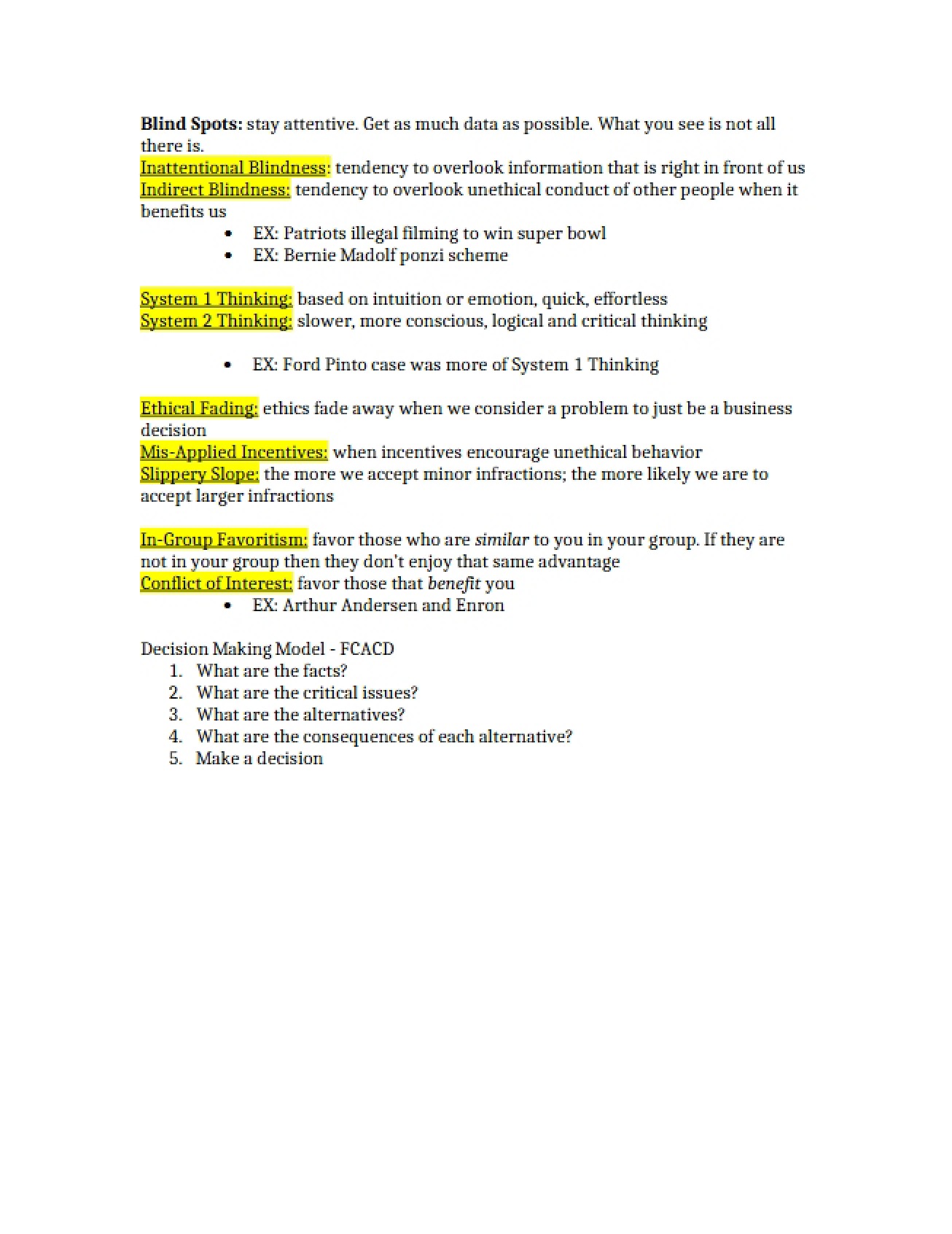
This document comprises notes from the second midterm for Boston University’s Business, Society, and Ethics (QST SM 131) course. It covers lectures and discussions centered on Corporate Social Responsibility (CSR), sustainability, and related business philosophies. The material focuses on the evolution of CSR thinking, key frameworks like Carroll’s Four-Part Definition, and the business case for adopting socially responsible practices.
Why This Document Matters
This study guide is essential for students enrolled in QST SM 131 preparing for their second midterm exam. It consolidates lecture material and discussion points, offering a focused review of core concepts. It’s most valuable when used *in conjunction with* course readings and active class participation. Understanding these concepts is crucial for analyzing the ethical and societal impacts of business decisions.
Common Limitations or Challenges
This document is a *summary* of course material, not a replacement for attending lectures or completing assigned readings. It does not include the full depth of analysis or nuanced arguments presented in class. It also doesn’t contain practice questions or exam answers. It’s a review tool, not a comprehensive learning solution.
What This Document Provides
This study guide includes:
* An overview of the historical development of Corporate Social Responsibility.
* Carroll’s Four-Part Definition of CSR (Economic, Legal, Ethical, Philanthropic).
* Arguments for and against CSR, including the “Business Case” for CSR.
* Explanation of the Triple Bottom Line (Economic, Social, Environmental) and Sustainability.
* Discussion of Conscious Capitalism and Creating Shared Value.
* Information on Socially Responsible Investing (SRI) including negative and positive screening.
* Notes from discussions on CSR cost savings vs. differentiation and “greenwashing.”
* A brief overview of the Starbucks case study.
This preview *does not* include the full Starbucks case study details, specific examples used in lectures, or any practice exam questions.