What This Document Is
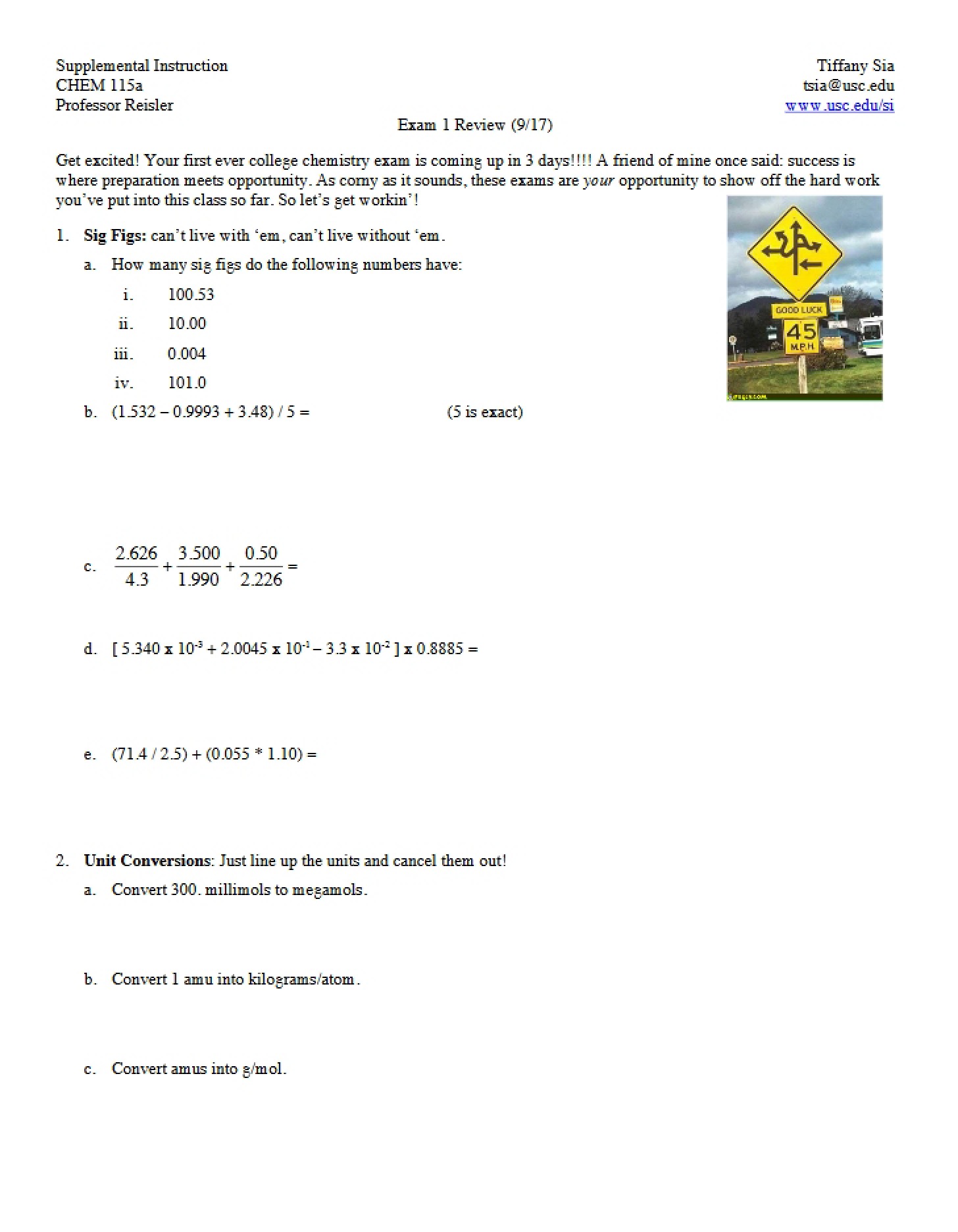
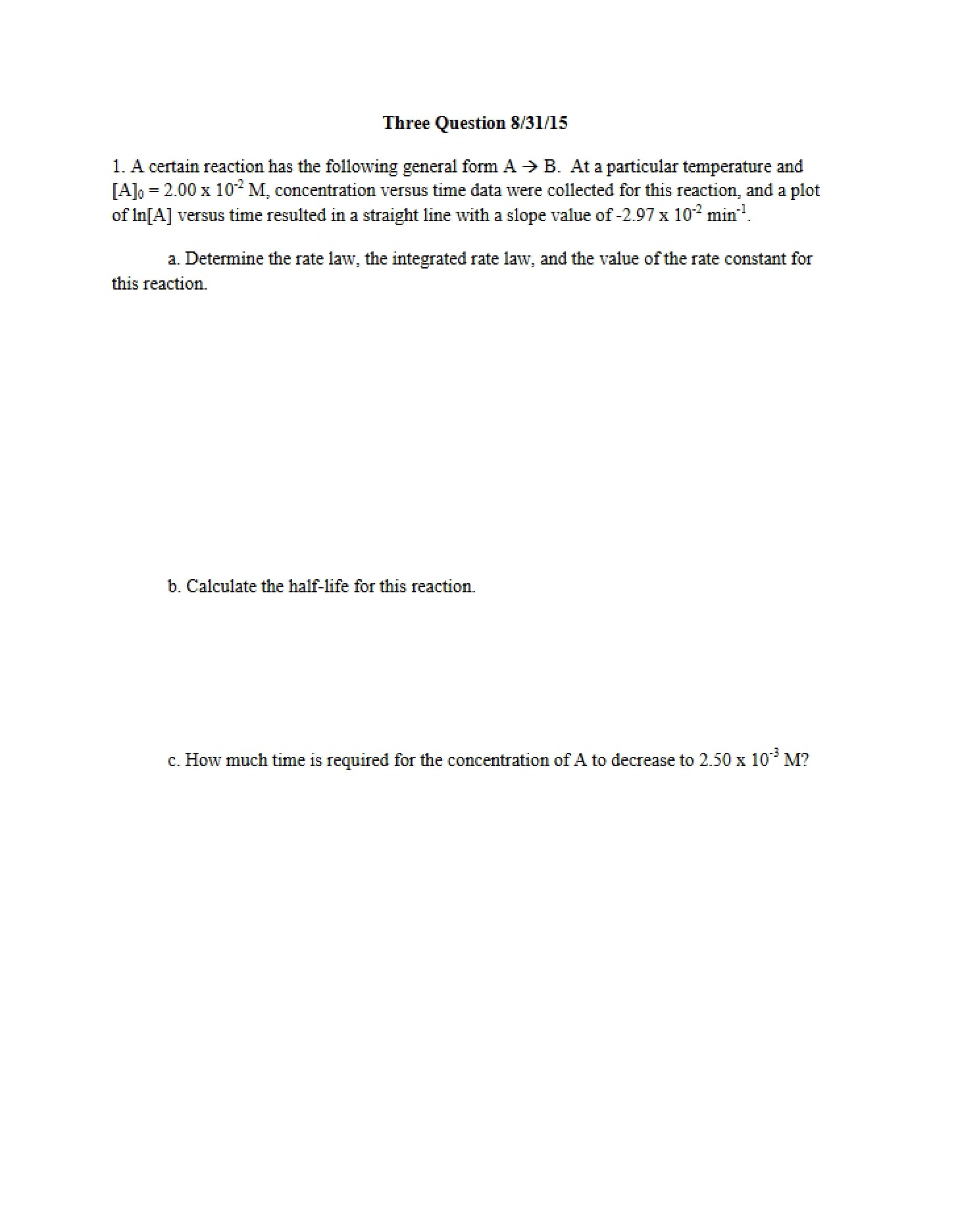
This is a practice exam for CHEM 105, General Chemistry, at the University of Southern California. It’s designed to assess your understanding of fundamental physics concepts frequently applied within a chemistry context – particularly mechanics, forces, and energy. The exam is formatted to mimic a typical in-course assessment, including multiple-choice and problem-solving sections. It’s intended to help you prepare for graded examinations by testing your ability to apply principles to quantitative scenarios.
Why This Document Matters
This practice exam is an invaluable resource for any student enrolled in USC’s CHEM 105 course. It’s particularly useful for students who want to proactively gauge their preparedness, identify areas needing further review, and become comfortable with the exam format and question types. Utilizing this resource *before* a high-stakes exam can significantly reduce test anxiety and improve performance. It’s best used after completing relevant coursework and assigned readings, as a way to consolidate knowledge and practice application.
Common Limitations or Challenges
This practice exam is a simulation and, while representative, may not perfectly mirror the content weighting or specific question styles of the actual exam. It does not include detailed explanations or step-by-step solutions; it’s designed to *test* your knowledge, not teach it. Furthermore, it focuses on the physics principles underpinning chemistry and doesn’t cover all topics within the broader CHEM 105 curriculum. Access to the full document is required to view the complete questions and assess your understanding.
What This Document Provides
* A range of multiple-choice questions testing conceptual understanding of physics principles.
* Short answer questions requiring concise explanations of key concepts.
* Longer-form problems demanding application of physics principles to solve quantitative scenarios.
* Questions covering topics such as forces, motion, energy, and equilibrium.
* A simulated exam environment to build confidence and time-management skills.
* Practice applying concepts related to free body diagrams and vector analysis.