What This Document Is
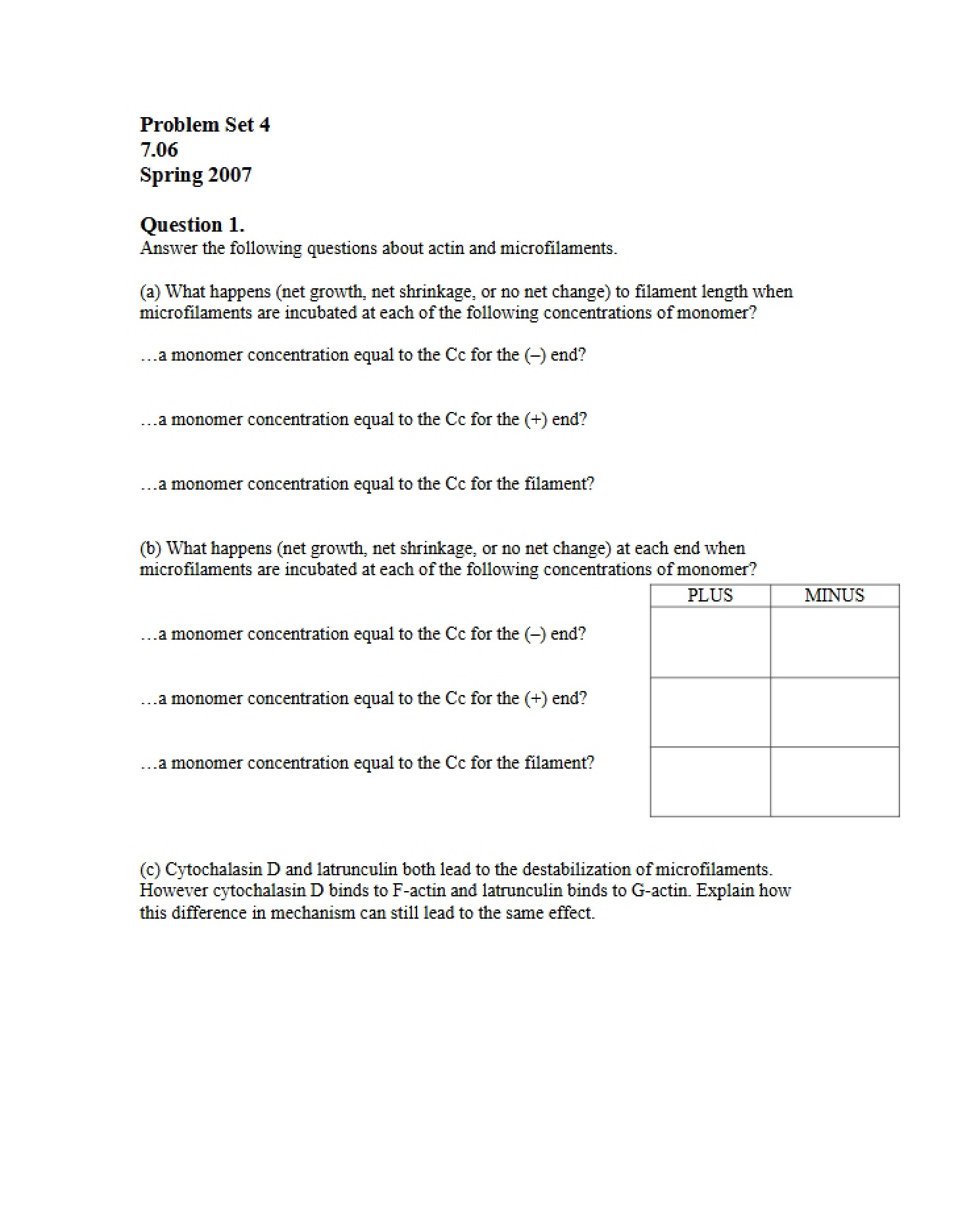
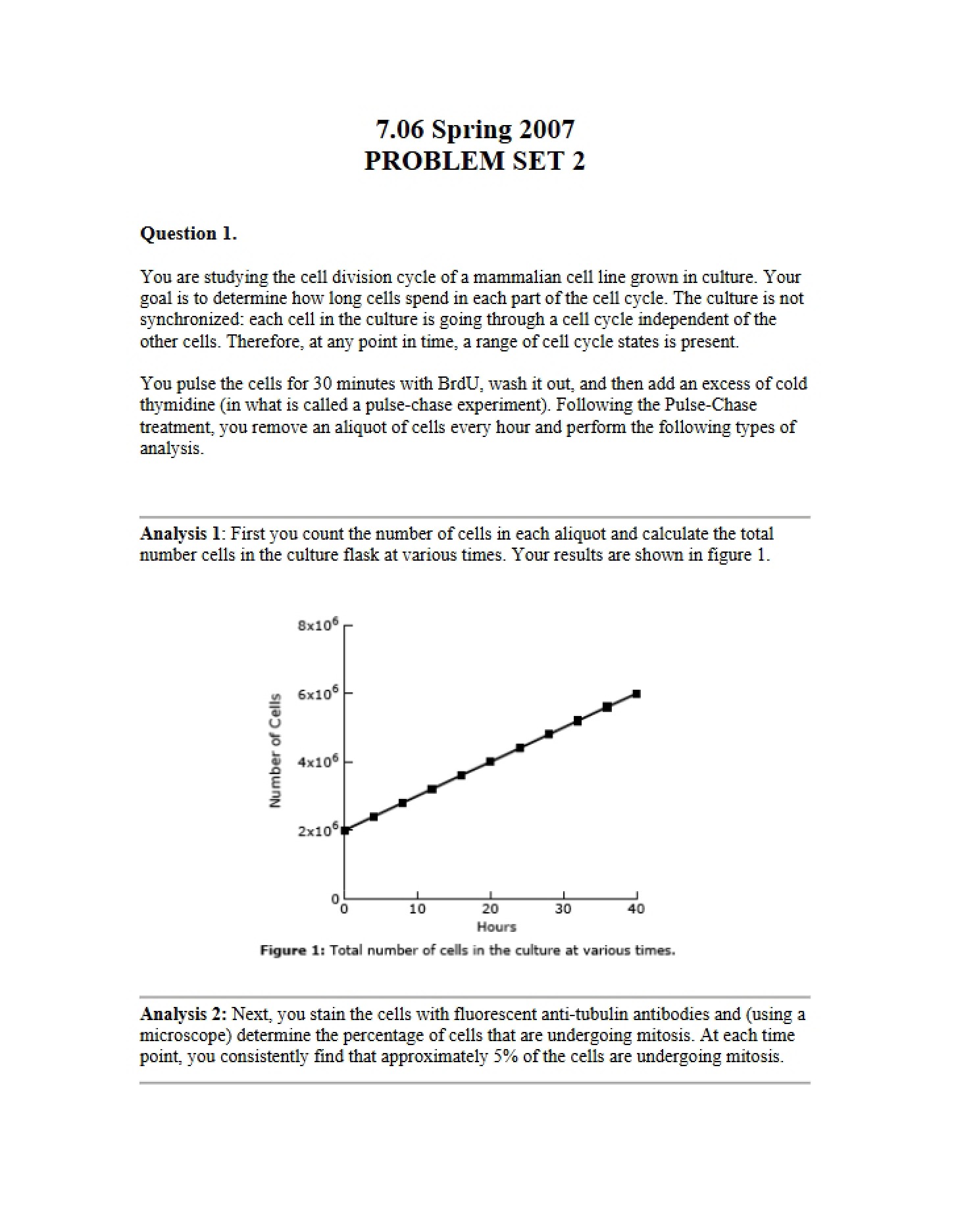
This document is a problem set for MIT’s 7.06 Cell Biology course. It assesses understanding of core concepts related to protein trafficking, vesicle transport, and endocytosis—fundamental processes in how cells function and communicate. It’s designed to be completed by students as a practice and review exercise.
Why This Document Matters
This problem set is crucial for students enrolled in a rigorous cell biology curriculum. It provides an opportunity to apply theoretical knowledge to practical scenarios, strengthening comprehension of complex cellular mechanisms. Successfully completing this assignment reinforces understanding needed for exams and further study in the field. It’s typically used as a formative assessment to gauge student learning and identify areas needing further attention.
Common Limitations or Challenges
This problem set requires a solid foundation in the concepts of protein sorting, the secretory pathway, and endocytic processes. It does *not* provide introductory material or detailed explanations of these topics; it assumes prior learning. Students will need to draw upon lecture notes, textbook readings, and other course materials to successfully complete the problems. It also doesn’t offer worked solutions – it’s designed for independent problem-solving.
What This Document Provides
The problem set includes four main questions:
* **Question 1:** Tests knowledge of which proteins utilize the Sec61 channel during translocation.
* **Question 2:** Presents a series of experiments involving radioactive amino acid tracing to determine the order of events in the secretory pathway and analyzes mutant phenotypes.
* **Question 3:** Asks for a listing of key features of different endocytosis pathways (pinocytosis, receptor-mediated endocytosis, and phagocytosis).
* **Question 4:** Focuses on the dynamics of transferrin receptor internalization and asks for predictions based on experimental manipulations.
This preview does *not* include the full text of the questions, the experimental data presented in Question 4, or any solutions. It only provides a high-level overview of the topics covered.