What This Document Is
This is a focused study guide designed to help students prepare for the second exam in THEA 242: Making Theatre at the University of Delaware. It consolidates key concepts and information presented in the course up to this point in the semester, offering a structured review of theatrical production and history. This resource is intended to aid in focused studying and reinforce understanding of core principles.
Why This Document Matters
Students enrolled in THEA 242 will find this study guide particularly valuable as they approach their second exam. It’s best utilized after completing related coursework and attending lectures, serving as a tool to synthesize information and identify areas needing further review. Those aiming for a comprehensive grasp of theatre’s collaborative nature and historical development will benefit greatly from engaging with the material within.
Topics Covered
* The evolving role of the director throughout theatrical history
* The responsibilities and collaborative processes of various design roles (set, costume, lighting, sound, and video/multi-media)
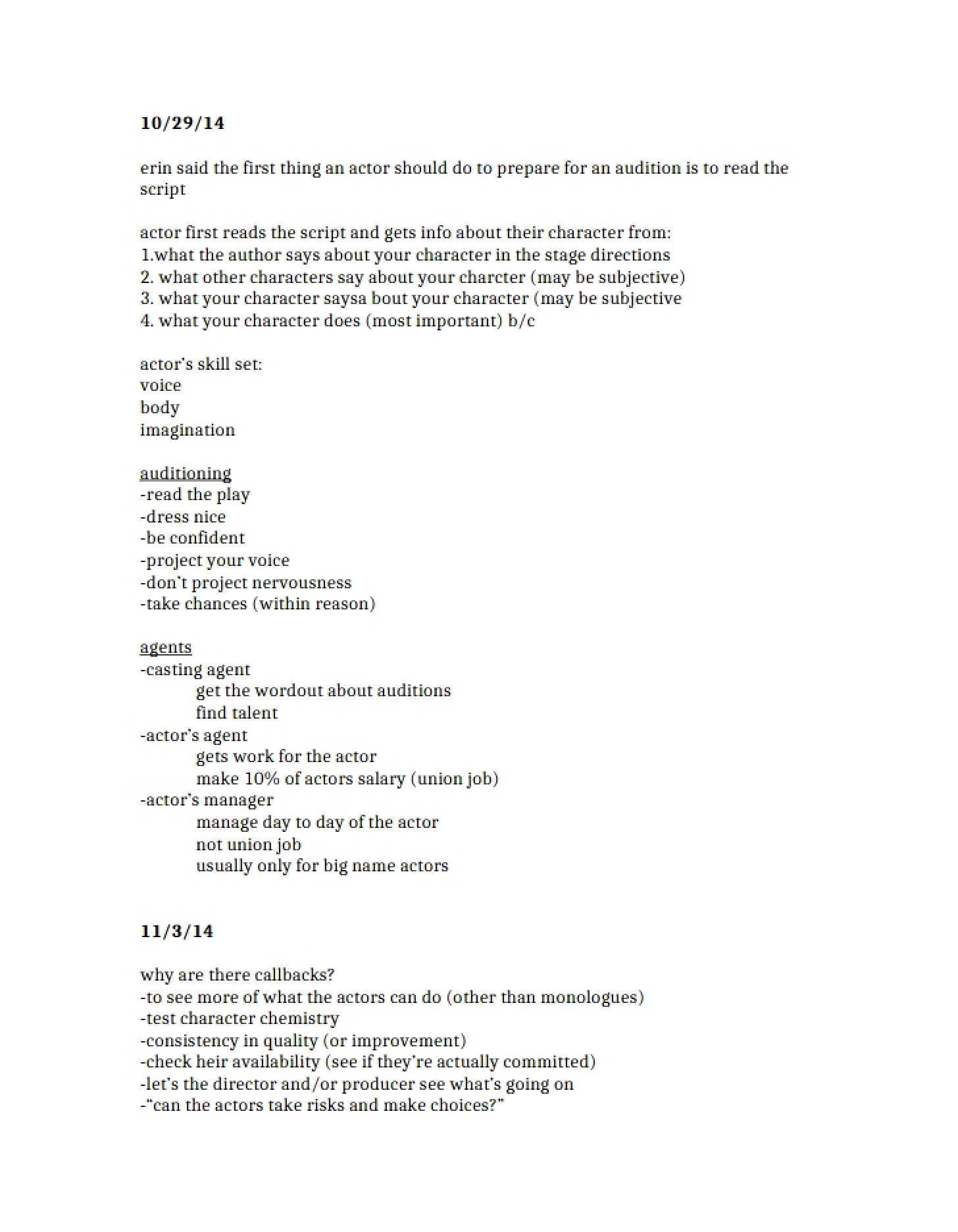
* Key stages in the production process, from script selection to rehearsals
* The conceptual development of a theatrical production
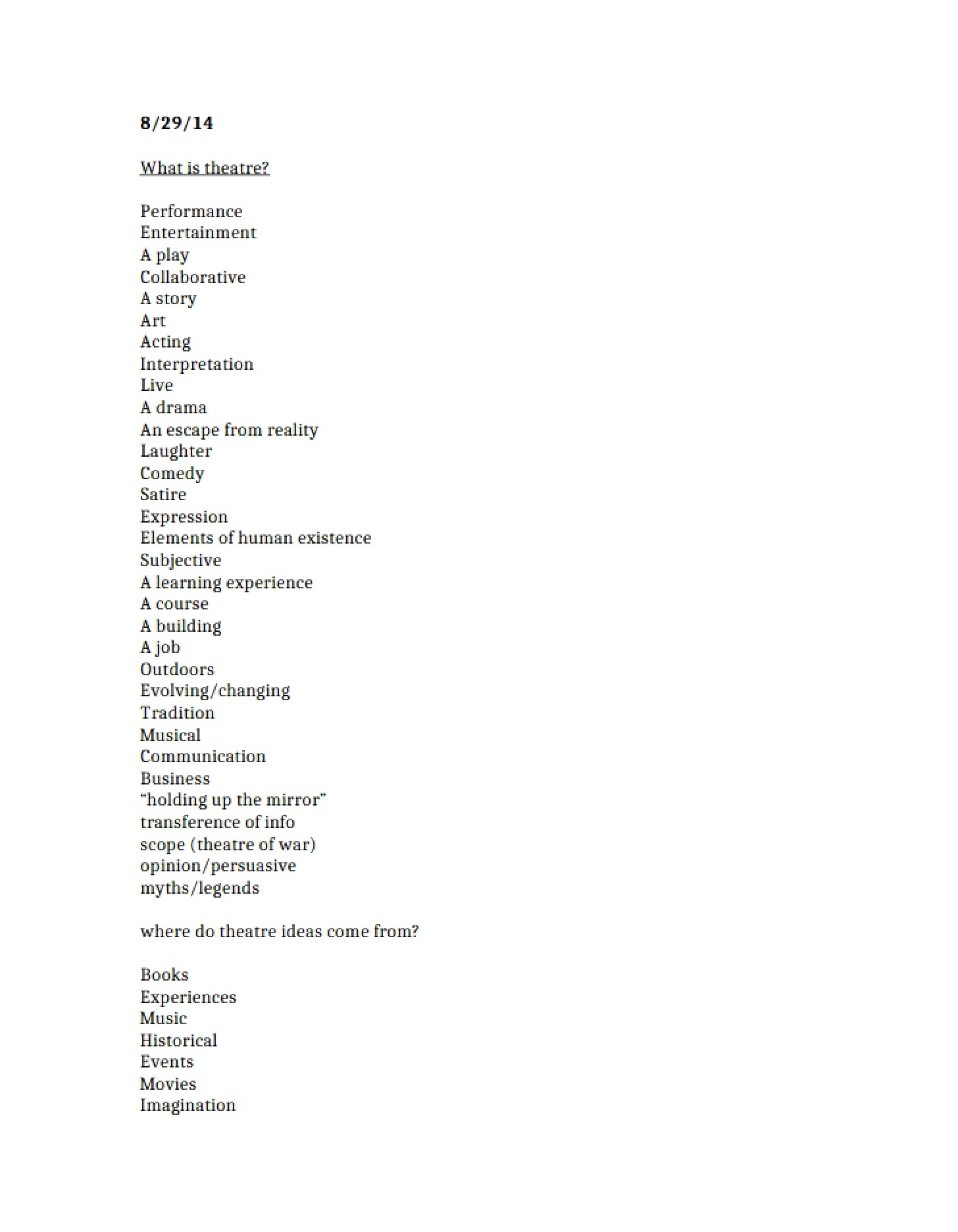
* Historical context of theatrical practices, including origins in Greek theatre
* Practical considerations for staging and theatre spaces (thrust stages, black box theatres)
What This Document Provides
* A focused overview of the director’s multifaceted role and essential qualities.
* Insights into the collaborative relationships between the director and design team.
* A breakdown of the key phases involved in bringing a play to the stage.
* Discussion of a specific upcoming production and its conceptual approach.
* A framework for understanding the historical development of different design disciplines within theatre.
* References to guest speakers and real-world examples discussed in the course.