What This Document Is
This document provides a detailed answer key and supporting explanations related to Exam 2 for BADM 671A, Introduction to Accounting, at Winthrop University. It focuses on key concepts covered in Chapters 6, 9, and 10, offering insights into the expected responses for a range of accounting problems. This isn’t a study guide *per se*, but rather a resource to understand the application of accounting principles as assessed on the exam.
Why This Document Matters
Students enrolled in BADM 671A who are seeking to review their performance on Exam 2 will find this resource particularly valuable. It’s ideal for identifying areas where understanding may be incomplete, or where application of concepts needs refinement. It can be used *after* attempting the exam to solidify learning and prepare for future assessments. Those aiming for a deeper grasp of intermediate accounting principles will also benefit from studying the rationale behind the correct approaches.
Common Limitations or Challenges
This document presents completed answers and explanations; it does not include the original exam questions themselves. It assumes you have already attempted the exam and are looking for clarification. It will not teach you the foundational concepts – a solid understanding of the course material is necessary to fully benefit from this resource. It also doesn’t offer alternative solution methods, focusing on the approaches likely expected by the instructor.
What This Document Provides
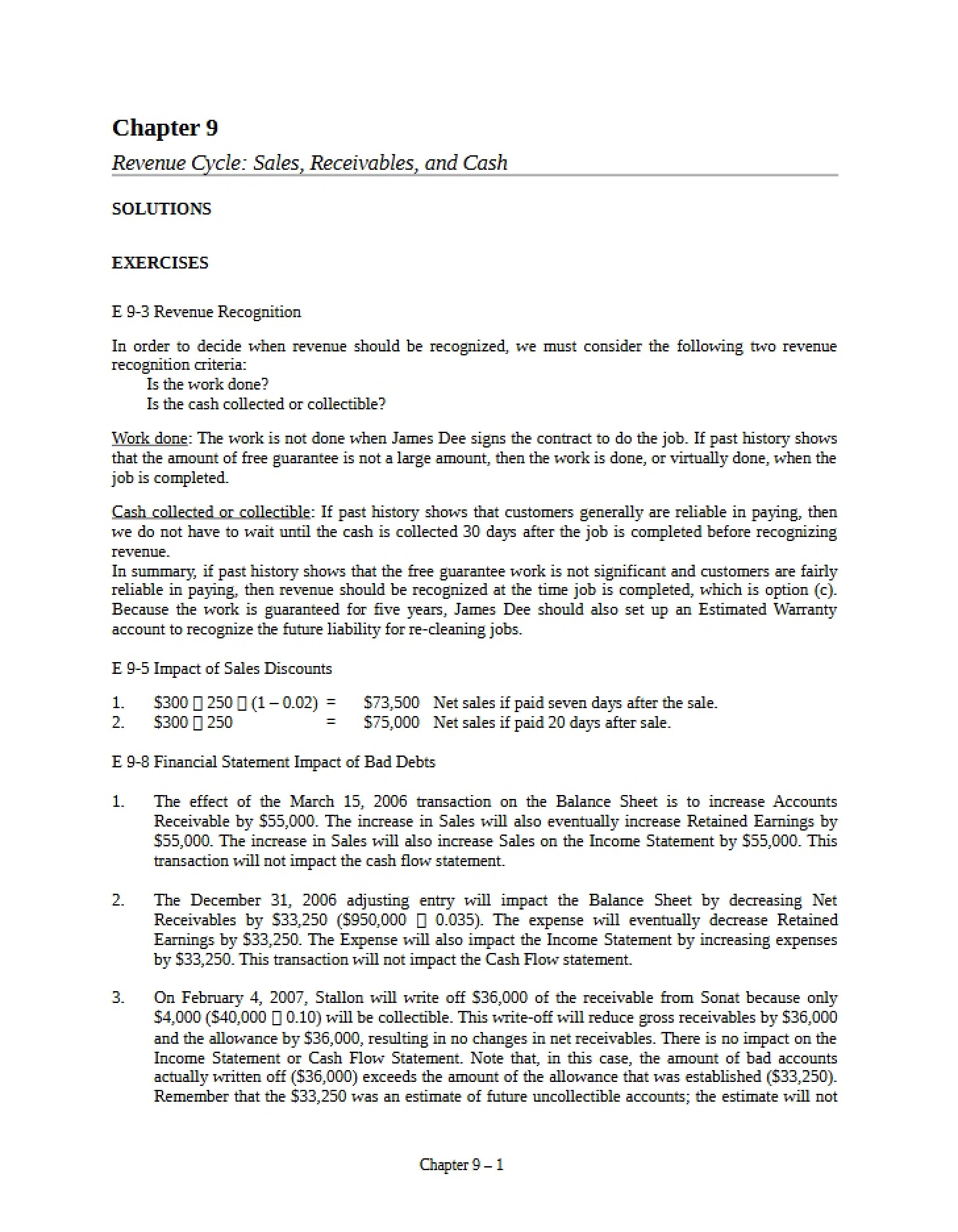
* Detailed responses to a variety of accounting problems, covering topics like revenue recognition and bad debt expense.
* Explanations relating to receivable turnover and evaluating credit policies.
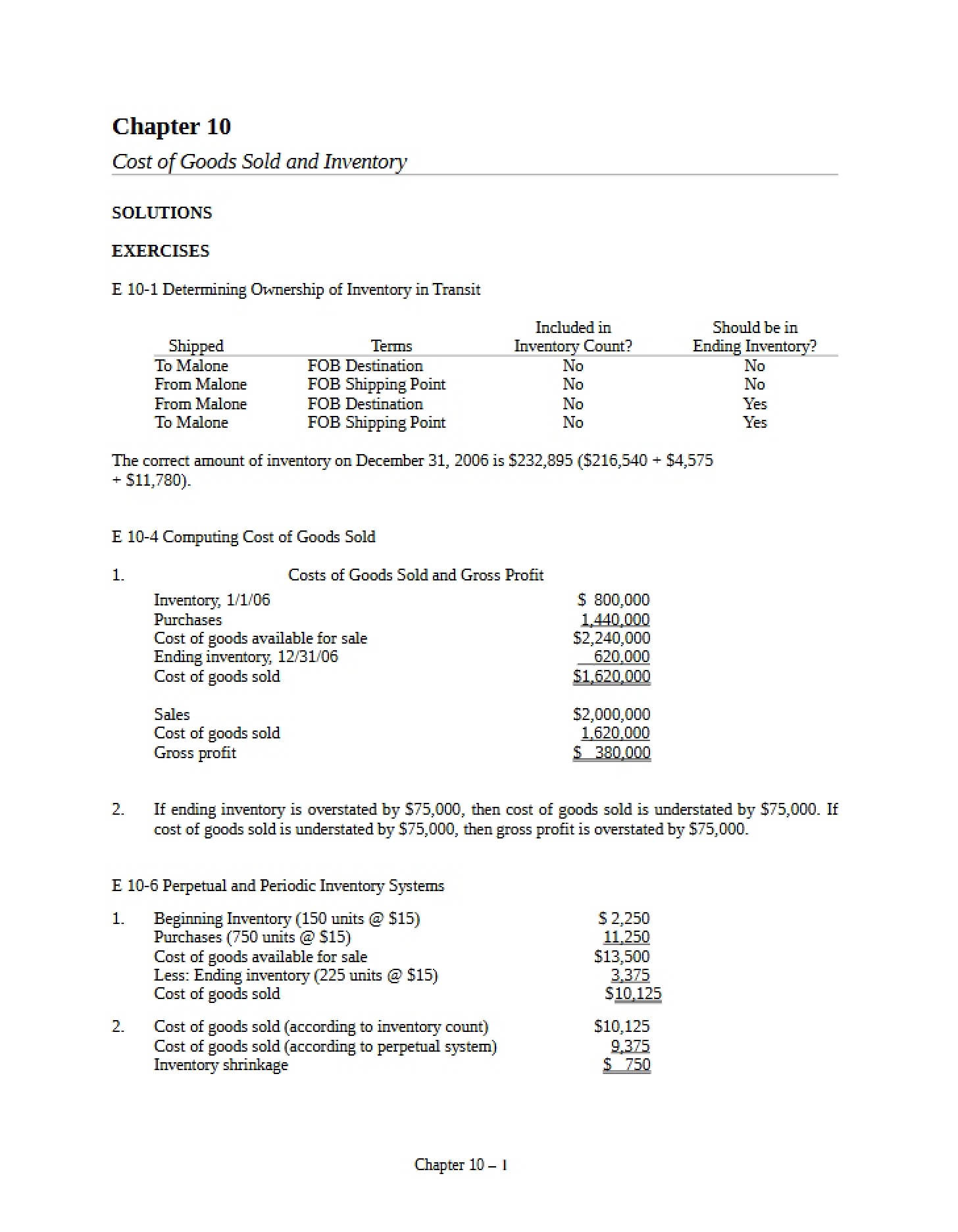
* Analysis of inventory valuation methods, including FIFO, LIFO, and Weighted Average.
* Illustrative examples related to inventory reporting and cost of goods sold calculations.
* Insights into inventory estimation techniques and their impact on financial statements.
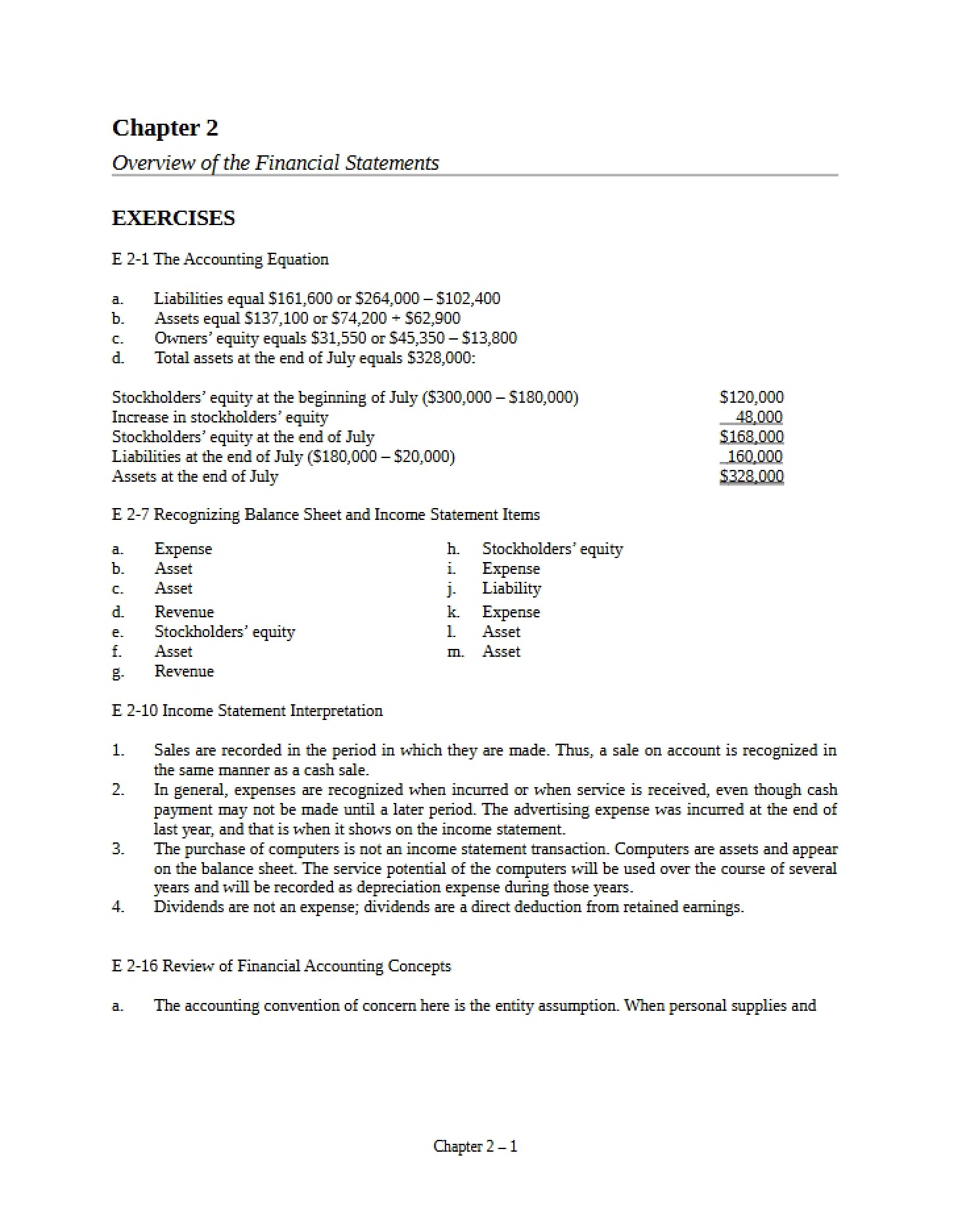
* A section dedicated to analyzing primary financial statements to determine cash flow from operations.