What This Document Is
This document comprises lecture notes from Sedimentary Petrology (GY 402) at the University of South Alabama, specifically focusing on the analysis of sedimentary sections. It delves into the interpretation of features found within layered sedimentary deposits, providing a foundational understanding of how to decipher past depositional environments. The material builds upon previous lectures concerning sedimentary structures and transport mechanisms.
Why This Document Matters
This resource is invaluable for students enrolled in advanced sedimentology, stratigraphy, or basin analysis courses. It’s particularly helpful for those preparing for fieldwork, as it highlights crucial data collection techniques. Geologists, environmental scientists, and anyone involved in the study of Earth’s surface processes will find this material beneficial. It’s best utilized *during* a sedimentary petrology course to supplement lectures and lab work, and as a reference during field exercises.
Common Limitations or Challenges
This lecture material presents a theoretical framework and observational guidelines. It does not offer detailed, step-by-step instructions for specific analyses, nor does it include completed case studies or pre-interpreted data sets. It assumes a foundational understanding of geological principles and sedimentary processes. Access to this resource will not substitute for hands-on field experience or independent research.
What This Document Provides
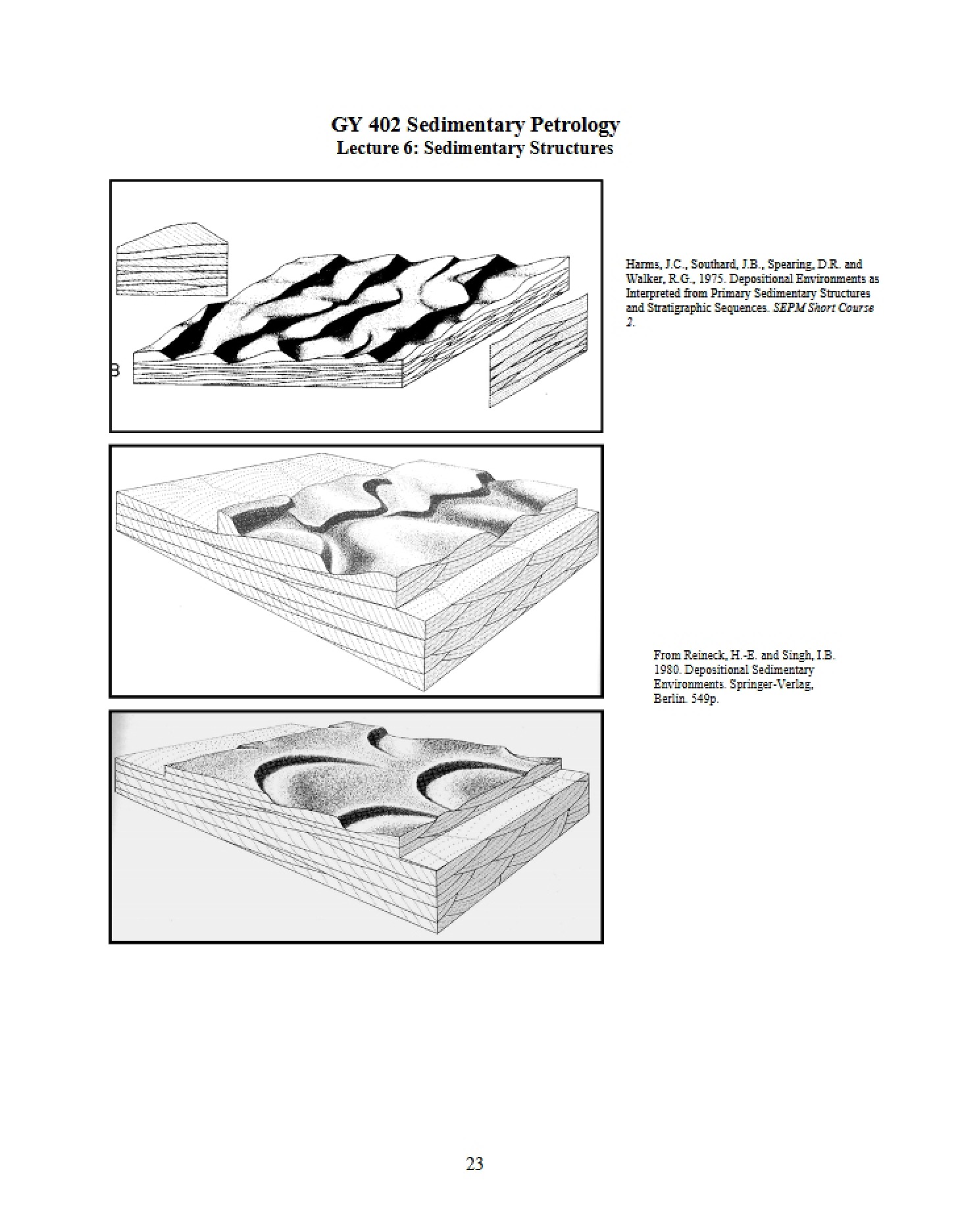
* An overview of key sedimentary structures used in environmental interpretation.
* Discussion of important data points to record when analyzing sedimentary sections in the field.
* Consideration of scale, grain size, lithology, mineralogy, and paleontological data in sedimentary analysis.
* Exploration of diagnostic sedimentary features associated with various depositional settings (e.g., beaches, tidal flats, deep marine).
* Information regarding a related field trip to the Scarborough School/Tombigbee River area.