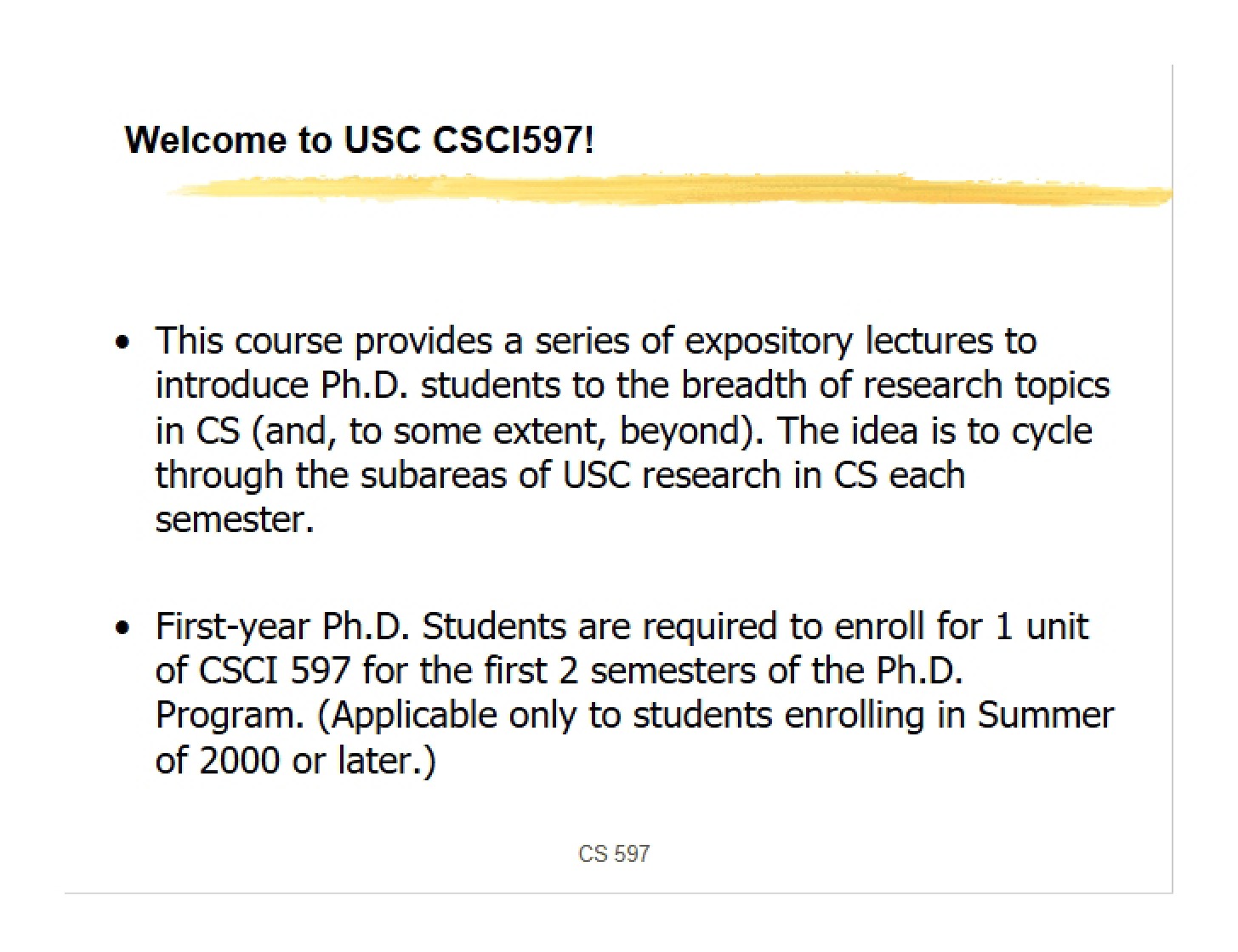
What This Document Is
This document represents seminar-level instructional content from a Computer Science Research course (CSCI 597) at the University of Southern California, specifically focusing on Software Architecture and Software Estimation. It appears to be a set of lecture notes or a course module overview, delving into the theoretical underpinnings and practical considerations of building robust and scalable software systems. The material explores the importance of well-defined architectural principles and methods for accurately predicting the effort required for software projects.
Why This Document Matters
This resource is invaluable for graduate students in Computer Science, Software Engineering, or related fields who are seeking a deeper understanding of software design and project management. It’s particularly relevant for those involved in research projects, large-scale software development, or aspiring software architects. Professionals looking to refine their understanding of software quality assurance and the impact of architectural decisions will also find this material beneficial. It’s best utilized as a core component of a graduate-level course or for self-study by experienced software practitioners.
Common Limitations or Challenges
This material presents a high-level overview of complex topics. It does *not* provide step-by-step coding tutorials, specific software tool implementations, or detailed case studies with complete solutions. It focuses on the conceptual framework and foundational principles, requiring learners to apply these concepts to real-world scenarios independently. The document assumes a pre-existing understanding of fundamental software engineering concepts and programming paradigms.
What This Document Provides
* An exploration of the core principles defining Software Engineering and its goals.
* A discussion of the significance of Software Architecture in modern software development.
* An overview of methods for verifying the alignment between planned and implemented software architectures.
* An introduction to different approaches for static architecture compliance checking.
* A comparative analysis of various architecture compliance checking techniques.
* Discussion of the challenges and benefits of different architectural approaches.