What This Document Is
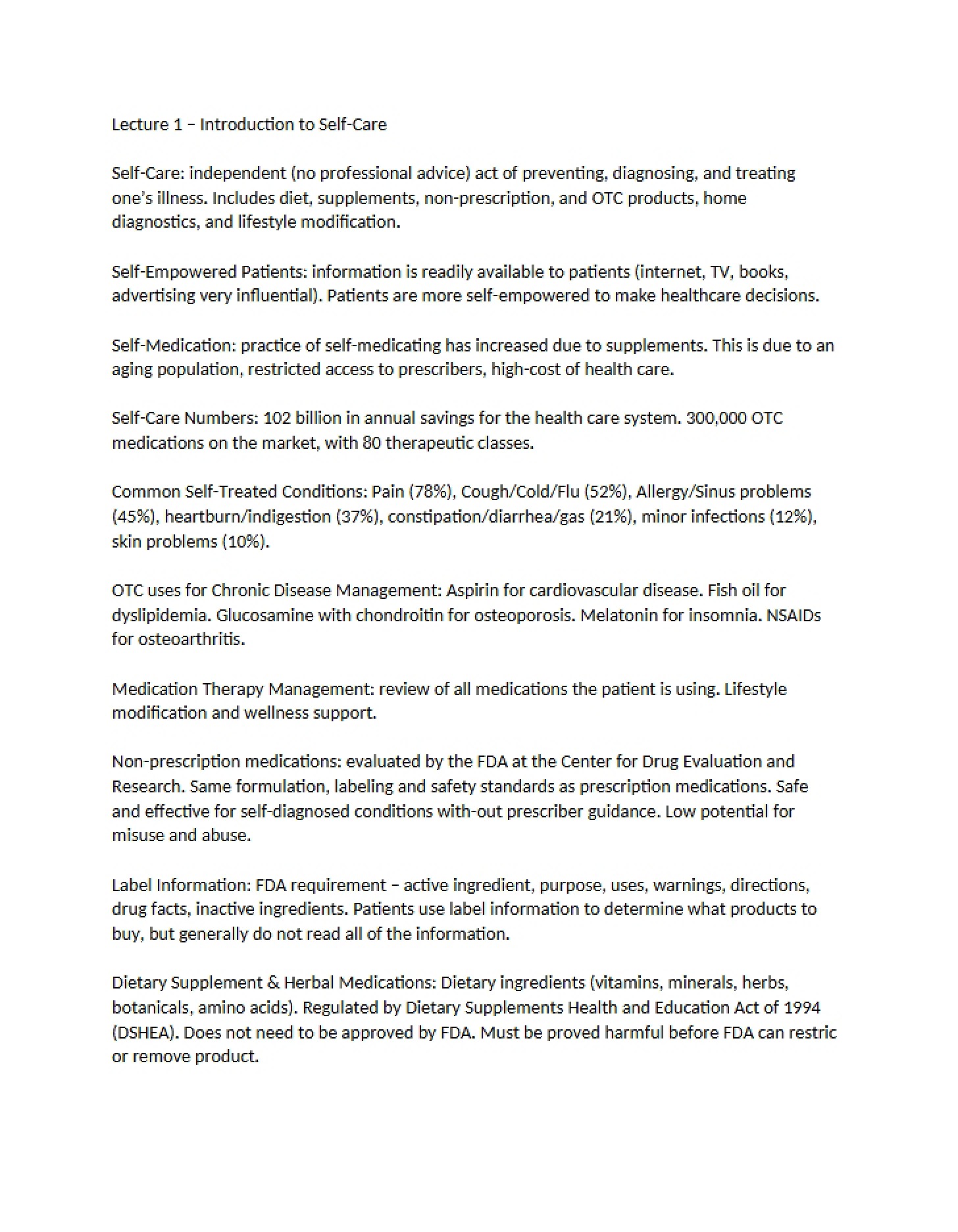
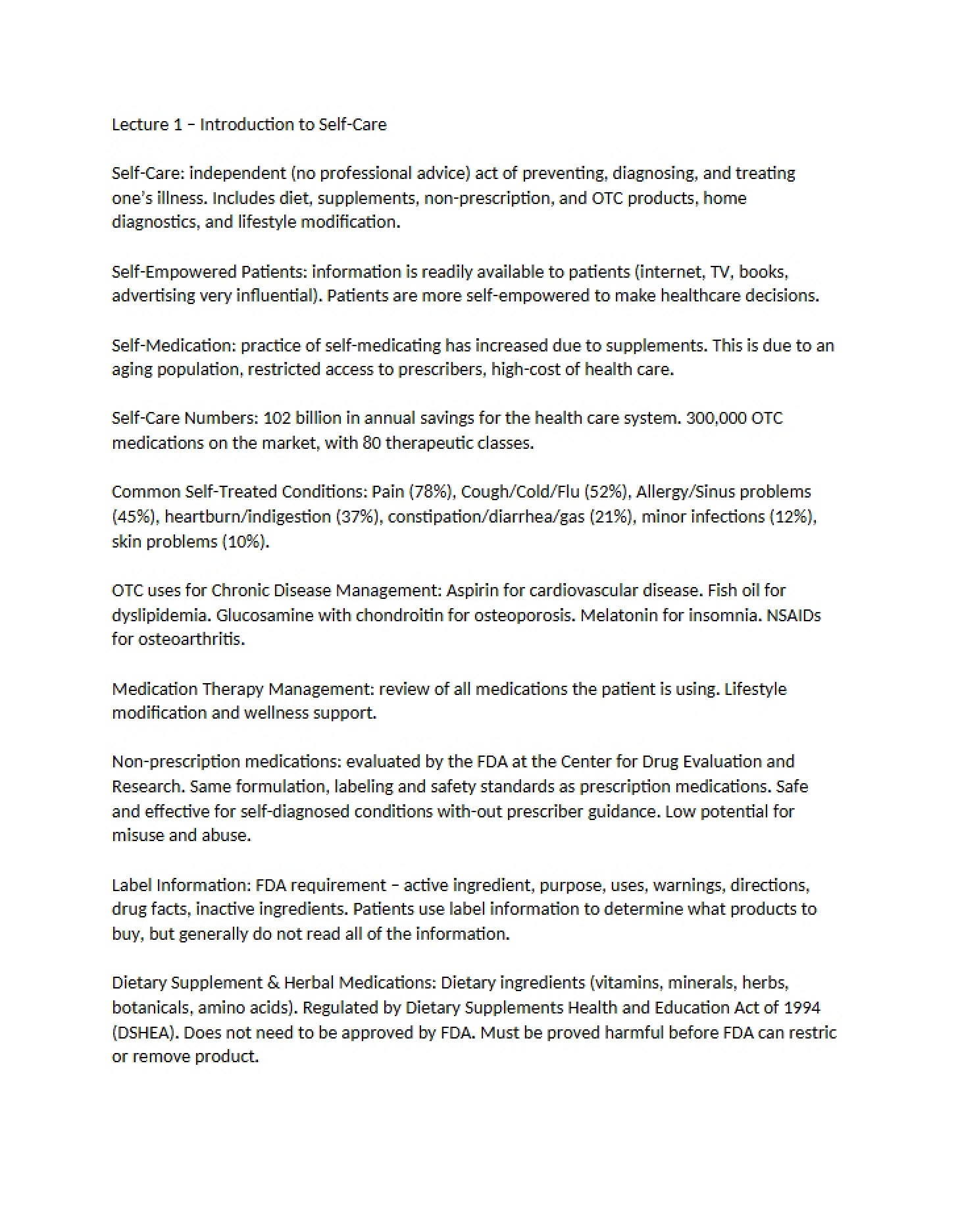
This study guide provides a focused overview of self-care principles and alternative healthcare approaches, specifically within the context of common respiratory illnesses. It delves into the understanding of frequently encountered conditions affecting both the upper and lower respiratory tracts, and explores strategies for managing symptoms and promoting wellness. This material is designed for students in a pharmacotherapy course, offering a foundational understanding of non-prescription and supportive care options.
Why This Document Matters
This resource is invaluable for pharmacy students and healthcare professionals seeking to build a strong base in self-care recommendations. It’s particularly useful when studying the appropriate use of over-the-counter medications and the importance of preventative measures. Students preparing for exams or clinical rotations involving patient counseling on common ailments will find this a helpful review. It’s also beneficial for understanding when to escalate care and recognize situations requiring medical intervention rather than self-treatment.
Common Limitations or Challenges
This guide focuses on foundational knowledge and does not provide exhaustive coverage of all possible respiratory conditions or treatment protocols. It does not include detailed pharmacological mechanisms beyond a general overview, nor does it offer specific dosage recommendations or clinical case studies. It is intended as a learning tool to supplement, not replace, comprehensive coursework and professional guidance. It also does not cover advanced or rare respiratory diseases.
What This Document Provides
* A breakdown of the anatomy and physiology of the respiratory system relevant to common illnesses.
* An exploration of the transmission and mechanisms behind frequently encountered respiratory infections.
* Discussion of factors influencing the incidence and prevalence of these conditions.
* An overview of recognizing symptoms and potential complications.
* Guidance on identifying appropriate situations for self-treatment versus professional medical attention.
* Examination of preventative strategies and non-pharmacological supportive care measures.
* Categorization of different treatment approaches.