What This Document Is
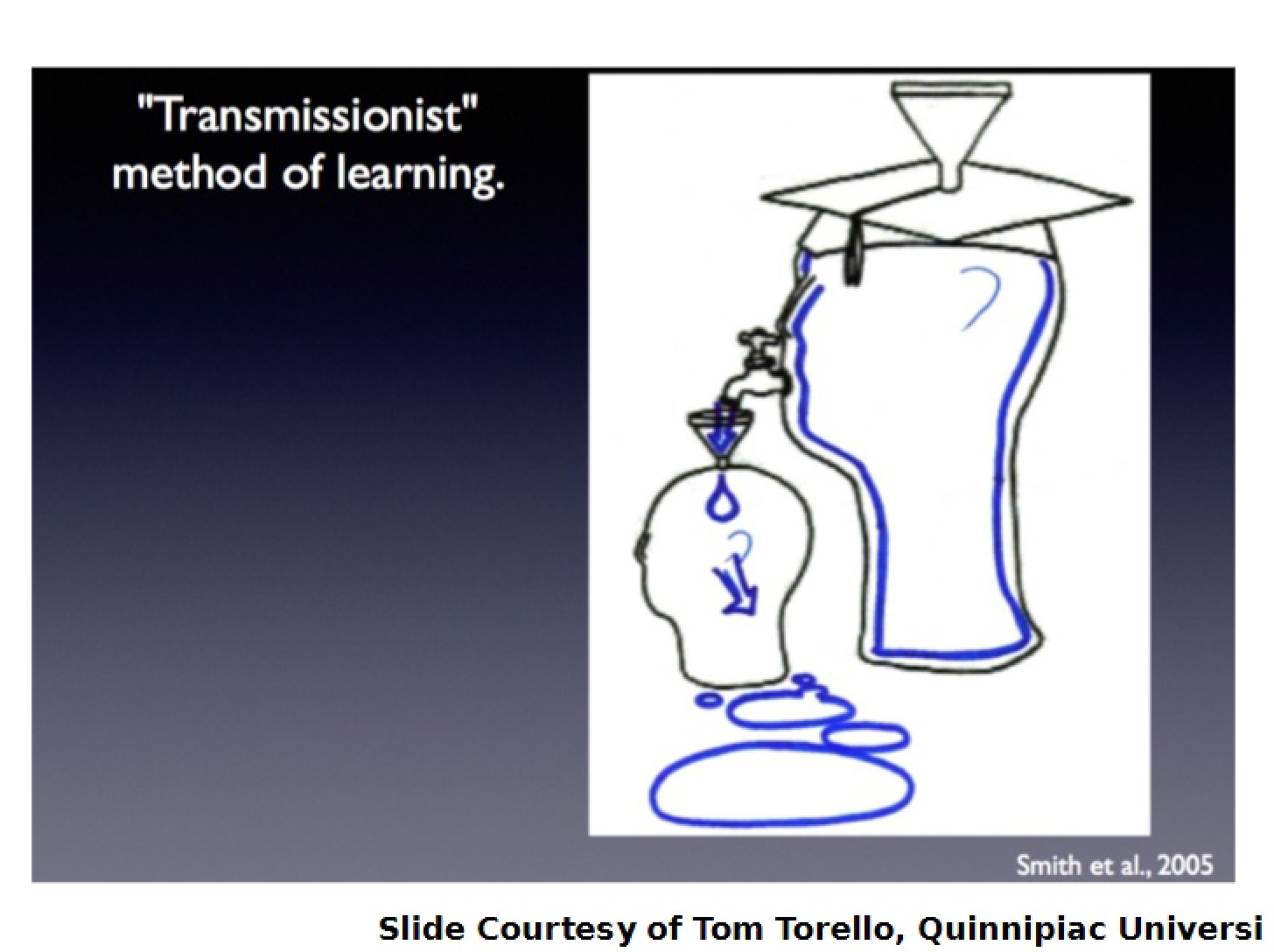
This document presents detailed instructional content for MCB 2410: Human Genetics at the University of Connecticut, specifically focusing on the processes involved in sequencing DNA. It builds upon foundational knowledge of DNA replication and explores techniques used to analyze genetic material. The material appears to be presented in a lecture or presentation format, referencing constructivist learning principles. It delves into the complexities of genomic analysis and its applications in understanding inherited diseases.
Why This Document Matters
This resource is ideal for students enrolled in Human Genetics courses seeking a deeper understanding of DNA sequencing methodologies. It’s particularly beneficial when studying topics related to genome analysis, mutation detection, and the genetic basis of disease. It can serve as a valuable supplement to lectures and textbook readings, offering a focused exploration of these critical concepts. Students preparing for exams or working on related assignments will find this material helpful for solidifying their understanding.
Topics Covered
* DNA Replication Processes & Challenges
* Genetic Predisposition to Diseases (e.g., Breast Cancer)
* Mutation Analysis & Identification
* Techniques for Isolating and Examining Genes of Interest
* Principles of Polymerase Chain Reaction (PCR)
* Primer Design and Function
* Components of a PCR Reaction
What This Document Provides
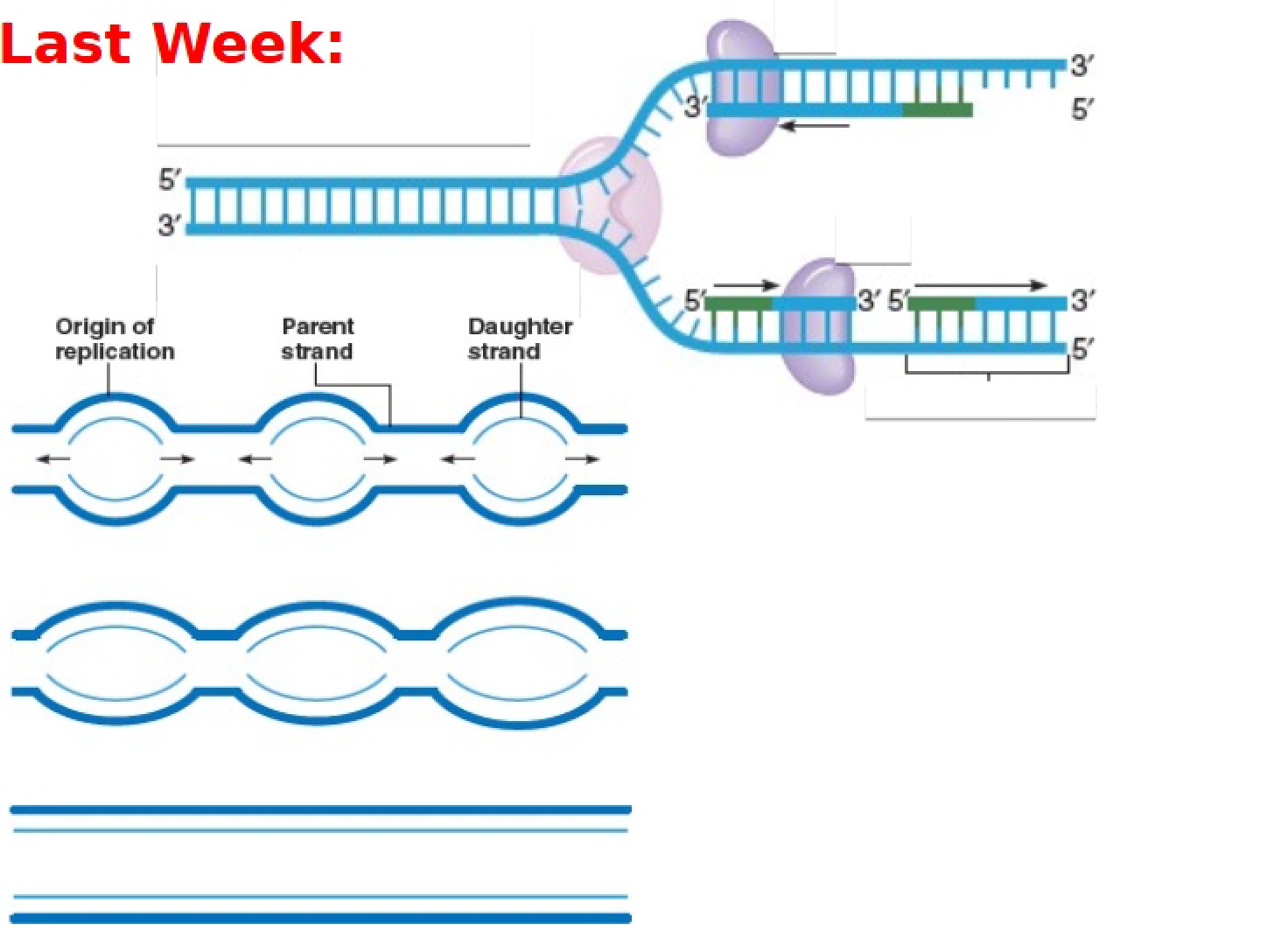
* Visual representations of DNA replication structures.
* Illustrative examples relating genetic mutations to disease susceptibility.
* An overview of the necessary components for specific molecular biology techniques.
* Discussion of the relationship between genotype and phenotype.
* A framework for understanding the complexities of genomic DNA analysis.
* References to relevant research and data.