What This Document Is
This resource is a detailed exploration of DNA sequencing techniques, designed for students in an upper-level human genetics course. It delves into the methodologies used to determine the precise order of nucleotides within a DNA molecule, a cornerstone of modern genetic research. The material builds upon foundational knowledge of DNA replication and introduces the principles behind analyzing genetic information. It connects theoretical concepts to real-world applications, such as assessing genetic predispositions to diseases.
Why This Document Matters
This material is invaluable for students seeking a comprehensive understanding of how genetic information is read and interpreted. It’s particularly helpful for those preparing for exams, working on research projects involving genetic analysis, or aiming to grasp the practical applications of molecular biology. Understanding these techniques is crucial for anyone pursuing a career in genetics, biotechnology, or related healthcare fields. Access to the full resource will provide a solid foundation for advanced study and laboratory work.
Topics Covered
* DNA Replication Fundamentals
* The Process of DNA Sequencing
* Applications of Sequencing in Disease Prediction
* Analyzing Genetic Mutations
* Components of a Sequencing Reaction
* Methods for Separating and Visualizing DNA Fragments
* Understanding Chain Termination in Sequencing
* PCR Reaction Components and their Roles
What This Document Provides
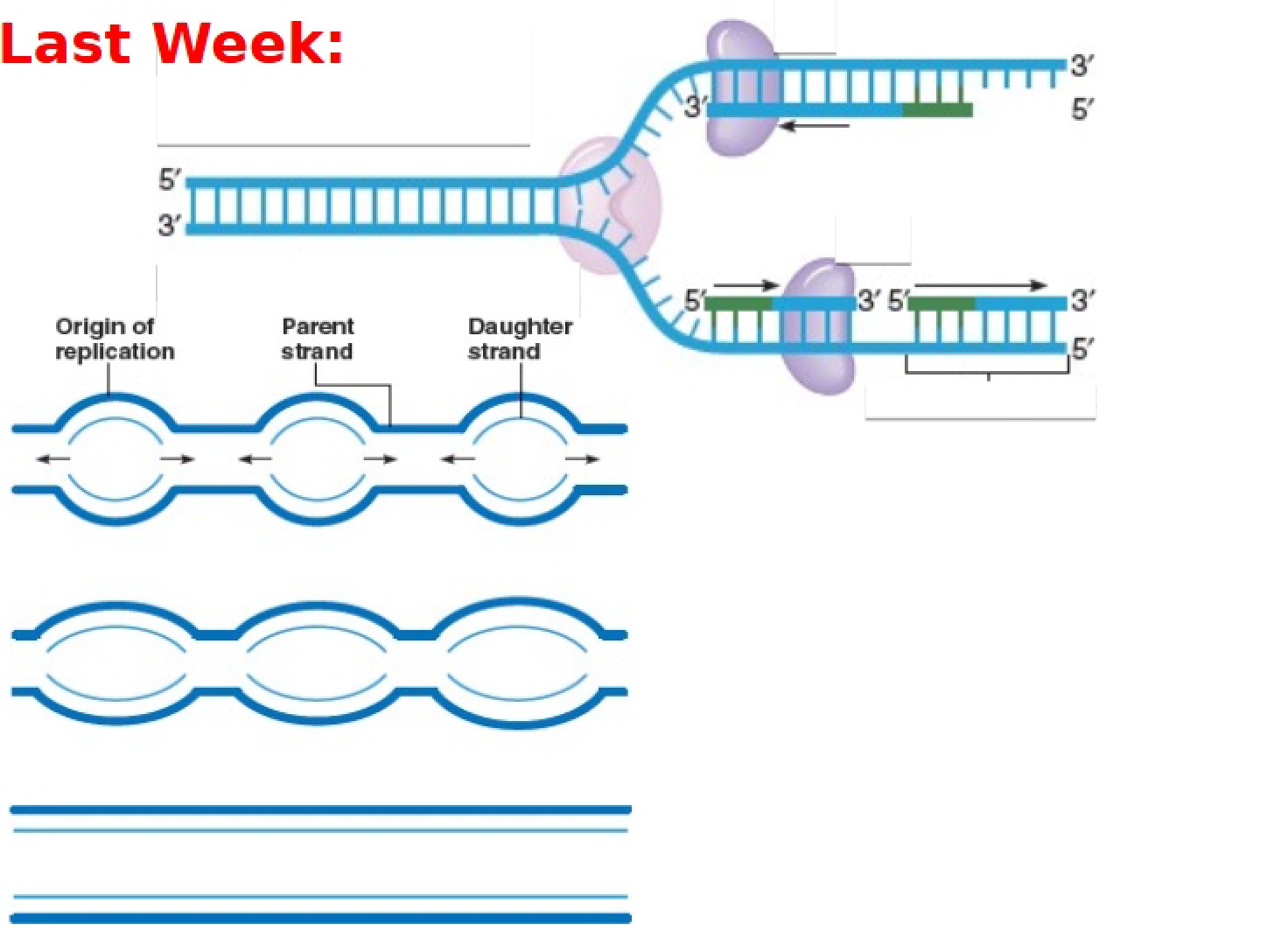
* Illustrative diagrams relating to DNA replication processes.
* An overview of the relationship between genetic mutations and disease susceptibility, using a specific disease as an example.
* A breakdown of the necessary ingredients for both PCR and DNA sequencing reactions.
* A conceptual explanation of how sequencing reactions are set up and analyzed.
* A discussion of the principles behind fragment separation and interpretation in sequencing.
* Detailed information on the different types of nucleotides used in sequencing.