What This Document Is
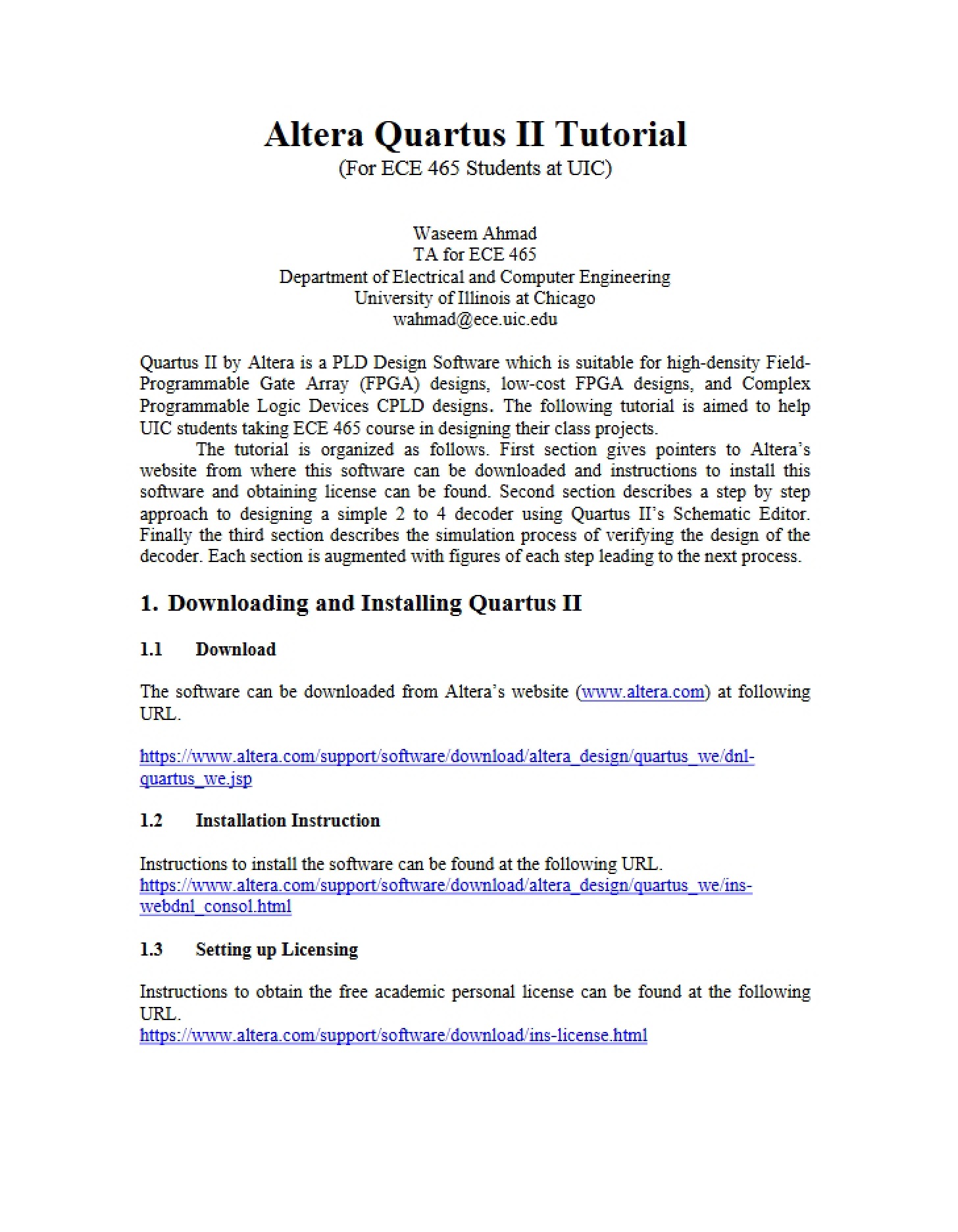
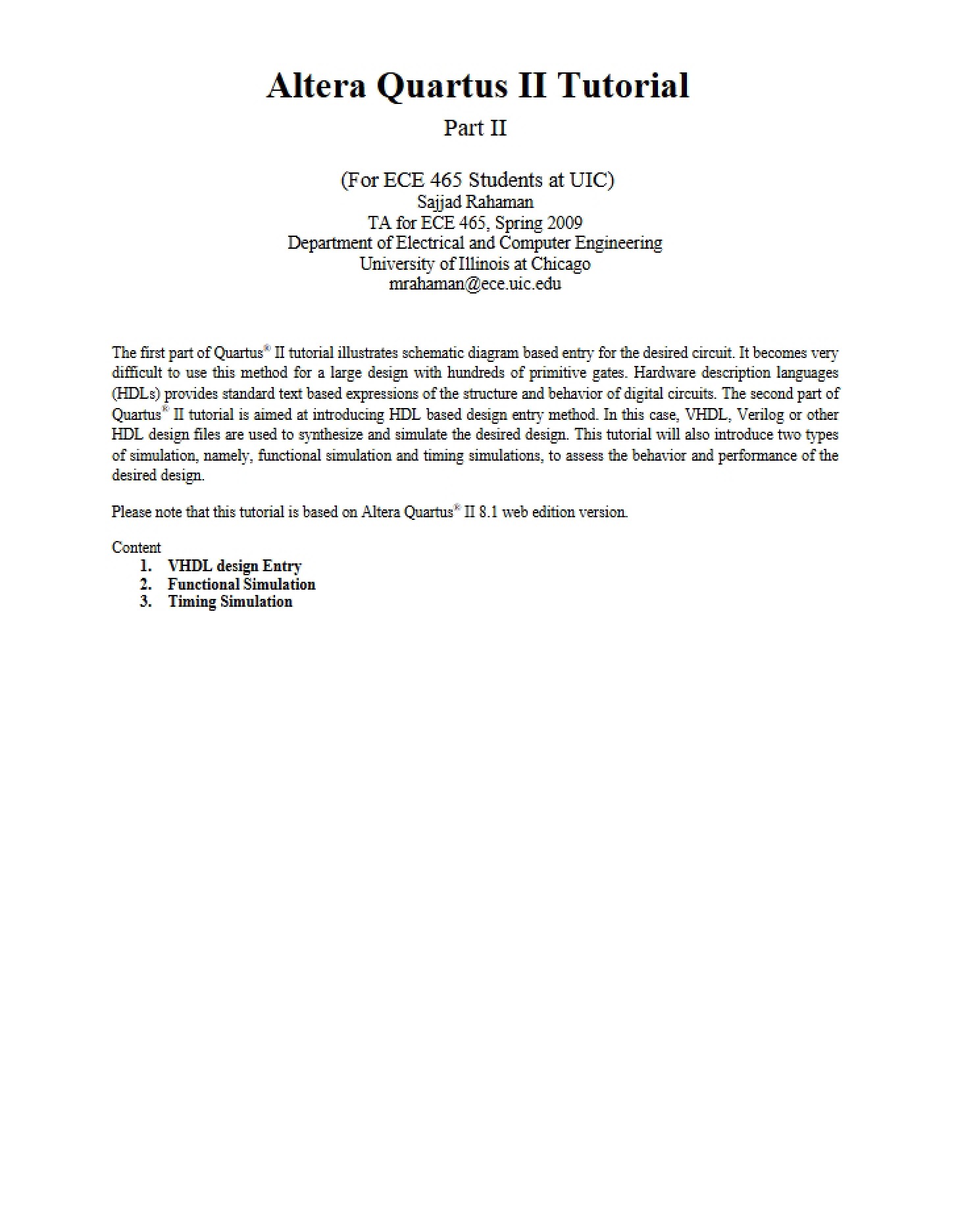
This is part one of a comprehensive instructional resource focused on sequential logic design at the logic level, developed for students in ECE 465 at the University of Illinois at Chicago. It lays the foundational groundwork for understanding how to design and analyze sequential digital systems. This material bridges the gap between theoretical concepts and practical implementation, preparing students for more advanced topics in digital systems design.
Why This Document Matters
This resource is essential for undergraduate electrical and computer engineering students tackling sequential circuit design. It’s particularly valuable when you’re beginning to translate high-level specifications into concrete logic implementations. Students preparing for assignments, projects, or exams involving state machines, flip-flops, and related concepts will find this a helpful study aid. It’s designed to be used alongside lectures and other course materials to reinforce understanding and build a strong foundation.
Topics Covered
* Formalization of sequential design processes at the logic level
* Representation of system state transitions
* State Transition Graphs (STGs) and their properties
* Distinction between Moore and Mealy machine architectures
* Fundamentals of state register design
* Overview of manual synthesis techniques for sequential circuits
What This Document Provides
* A global overview of the sequential design process, outlining key steps.
* Discussion of the importance of representing the temporal evolution of system states.
* Detailed explanation of State Transition Graphs as a design tool.
* Guidance on interpreting and utilizing STGs for different machine types.
* References to further reading materials for expanded study.
* A framework for understanding the number of states required in a sequential system.