What This Document Is
This material represents Session 10 from CSCI 585: Database Systems at the University of Southern California. It’s a focused exploration of fundamental techniques used to optimize data retrieval within database systems – specifically, indexing and hashing. The session delves into the theoretical underpinnings and practical considerations surrounding these crucial database components. It builds upon prior knowledge of database structures and file organization, moving towards methods for accelerating query performance.
Why This Document Matters
This session is vital for any student aiming for a strong understanding of database internals and performance tuning. It’s particularly beneficial for those interested in database administration, database design, or application development where efficient data access is paramount. Understanding these concepts is crucial when dealing with large datasets and high-volume transaction processing. Reviewing this material before tackling advanced topics like query optimization or distributed databases will provide a solid foundation.
Common Limitations or Challenges
This session focuses on the core concepts of indexing and hashing. It does *not* provide detailed code implementations or specific database vendor configurations. It also doesn’t cover advanced topics like specialized index structures (e.g., spatial indexes) or the intricacies of real-world database performance monitoring. The material assumes a baseline understanding of data structures and algorithms. It’s designed to provide a conceptual framework, not a complete, ready-to-deploy solution.
What This Document Provides
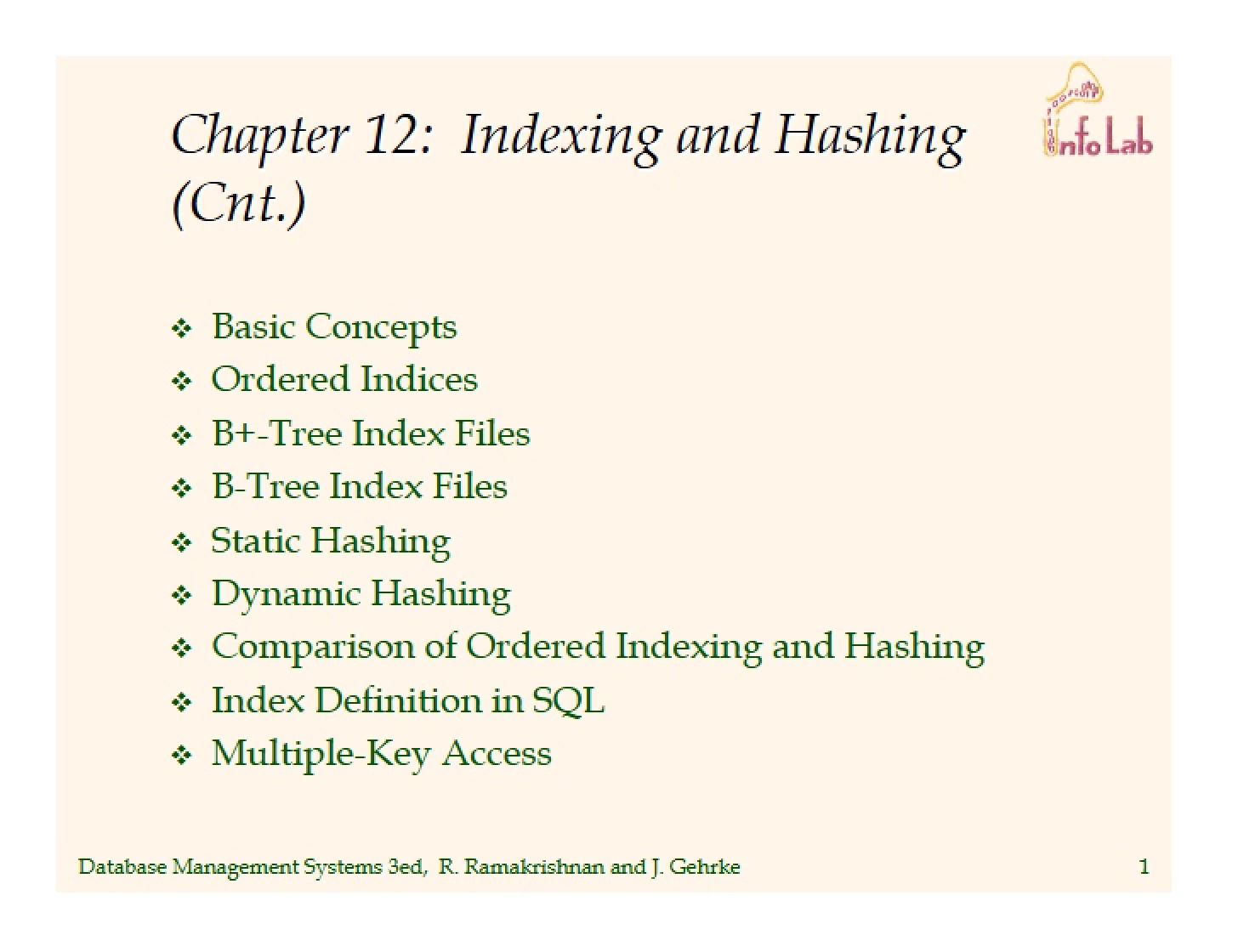
* An overview of the core principles behind indexing and hashing.
* A comparative analysis of different indexing approaches.
* Discussions on evaluating the effectiveness of indexing strategies.
* Exploration of ordered index structures and their variations.
* An introduction to hashing techniques for database systems.
* Considerations for defining indexes within SQL.
* Concepts related to accessing data using multiple keys.