What This Document Is
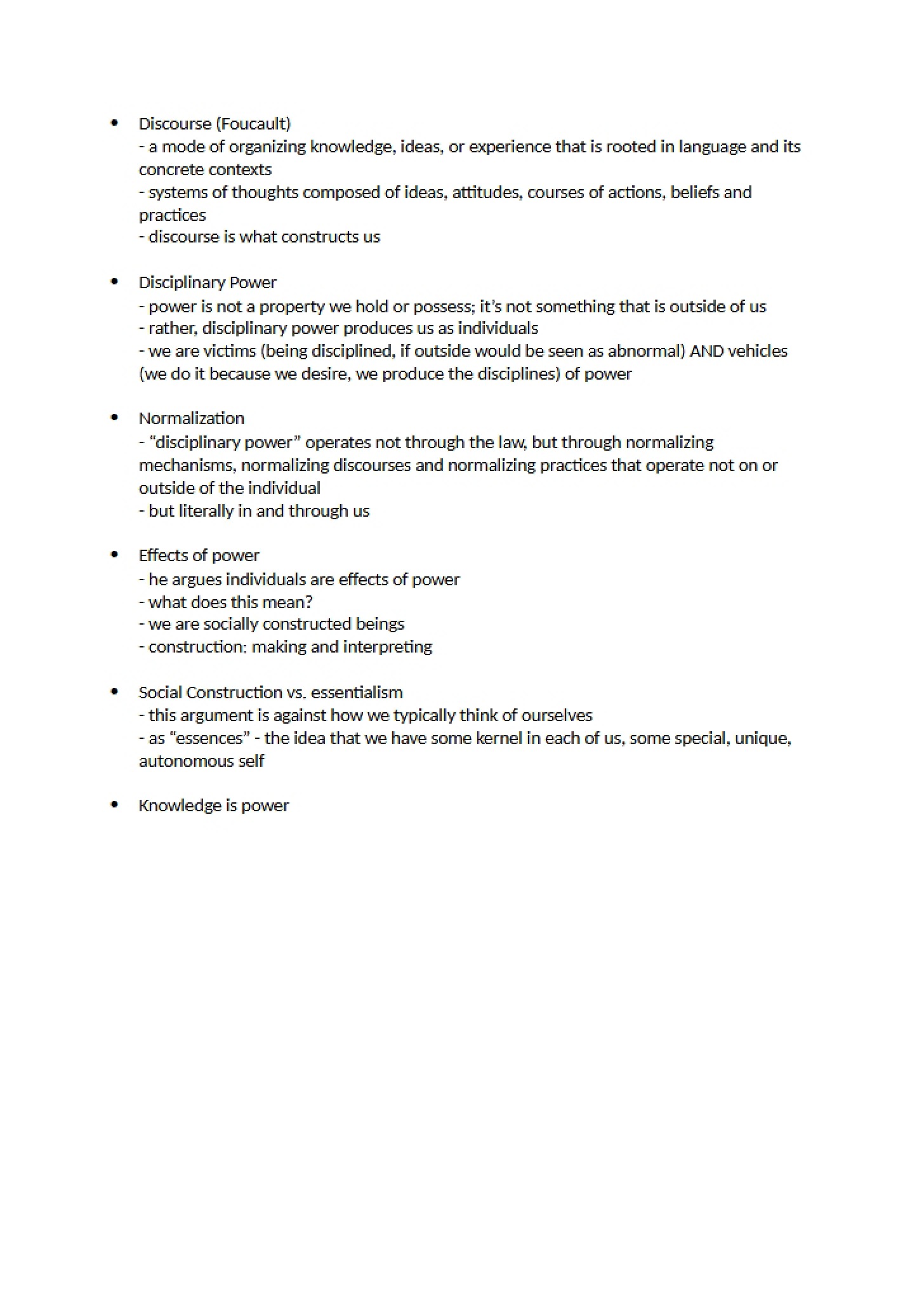
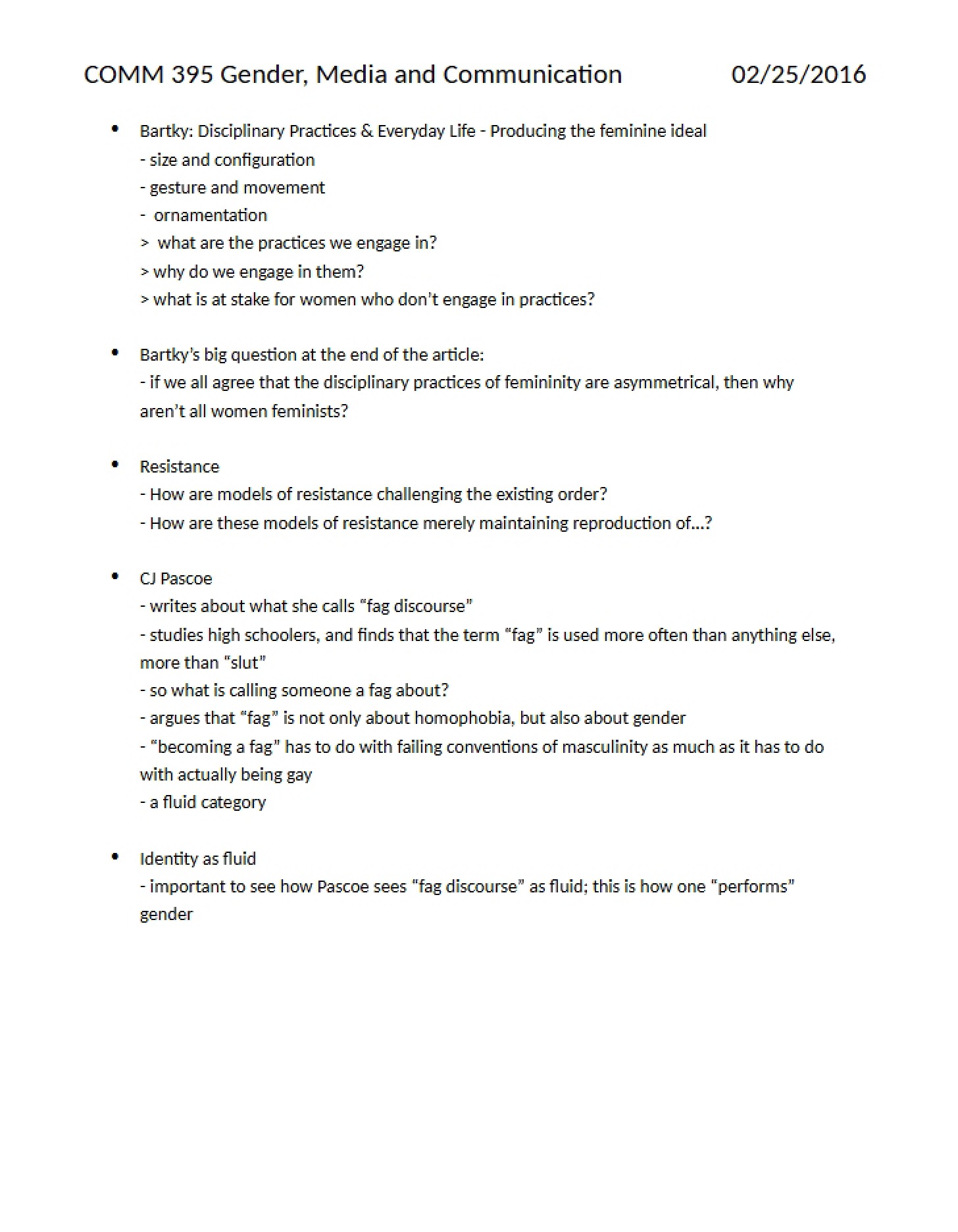
This study guide delves into critical perspectives within the field of Gender, Media, and Communication, specifically focusing on Session 6 of COMM 395m at the University of Southern California. It explores theoretical frameworks used to understand how gender is constructed, performed, and reinforced through various cultural sites – with a particular emphasis on the role of play and consumer culture. The material examines complex relationships between individual agency and broader social structures in shaping understandings of gender.
Why This Document Matters
Students enrolled in COMM 395m will find this resource particularly valuable when preparing for class discussions, formulating research questions, and developing a deeper understanding of the course’s core themes. It’s ideal for those seeking to move beyond simplistic understandings of gender and explore nuanced perspectives on how it operates in everyday life. This guide is most helpful *after* initial readings and lectures, as it provides a focused analysis of key concepts. Anyone interested in media studies, gender studies, or cultural communication will benefit from engaging with these ideas.
Common Limitations or Challenges
This guide is designed to *supplement* course materials, not replace them. It does not offer a comprehensive overview of all gender theories, nor does it provide definitive answers to complex questions. It focuses specifically on the concepts discussed within Session 6 and assumes familiarity with foundational course readings. It will not provide direct interpretations of assigned texts, but rather a framework for *your* critical analysis.
What This Document Provides
* An exploration of differing models for understanding the relationship between gender and culture.
* Analysis of the interplay between social constraints and individual agency in gender performance.
* Discussion of how cultural artifacts – specifically toys – function as sites for constructing and negotiating gender.
* Consideration of the distinct dynamics of adult versus children’s consumer culture.
* Examination of the ideological implications embedded within toys and advertising.