What This Document Is
These are session notes from an introductory astronomy course, specifically focusing on stars and galaxies (PHYS 1060 at Western Michigan University). The notes cover a substantial unit exploring the composition and structure of our solar system, the characteristics of different types of stars, and the broader organization of galaxies – including our own Milky Way. The material appears to be based on lectures supplementing assigned textbook readings. It delves into concepts related to galactic evolution and the lifecycle of stars within galactic structures.
Why This Document Matters
This resource is ideal for students enrolled in introductory astronomy courses seeking a consolidated overview of key lecture material. It’s particularly useful for reinforcing understanding *after* attending lectures and completing assigned readings. Students preparing for quizzes or exams on stellar properties, galactic classifications, and the processes governing galactic structure will find this a valuable study aid. It can also help clarify complex topics discussed in class and provide a framework for organizing your understanding of the universe.
Common Limitations or Challenges
These notes are designed to *complement* – not replace – textbook readings and active participation in lectures. They do not contain fully worked-out problems or detailed mathematical derivations. The notes represent a specific instructor’s presentation of the material and may not align perfectly with all astronomy textbooks or teaching styles. They also assume a foundational understanding of basic physics concepts. Access to the full document is required to gain the complete context and detailed explanations.
What This Document Provides
* An overview of the classification of planets within our solar system.
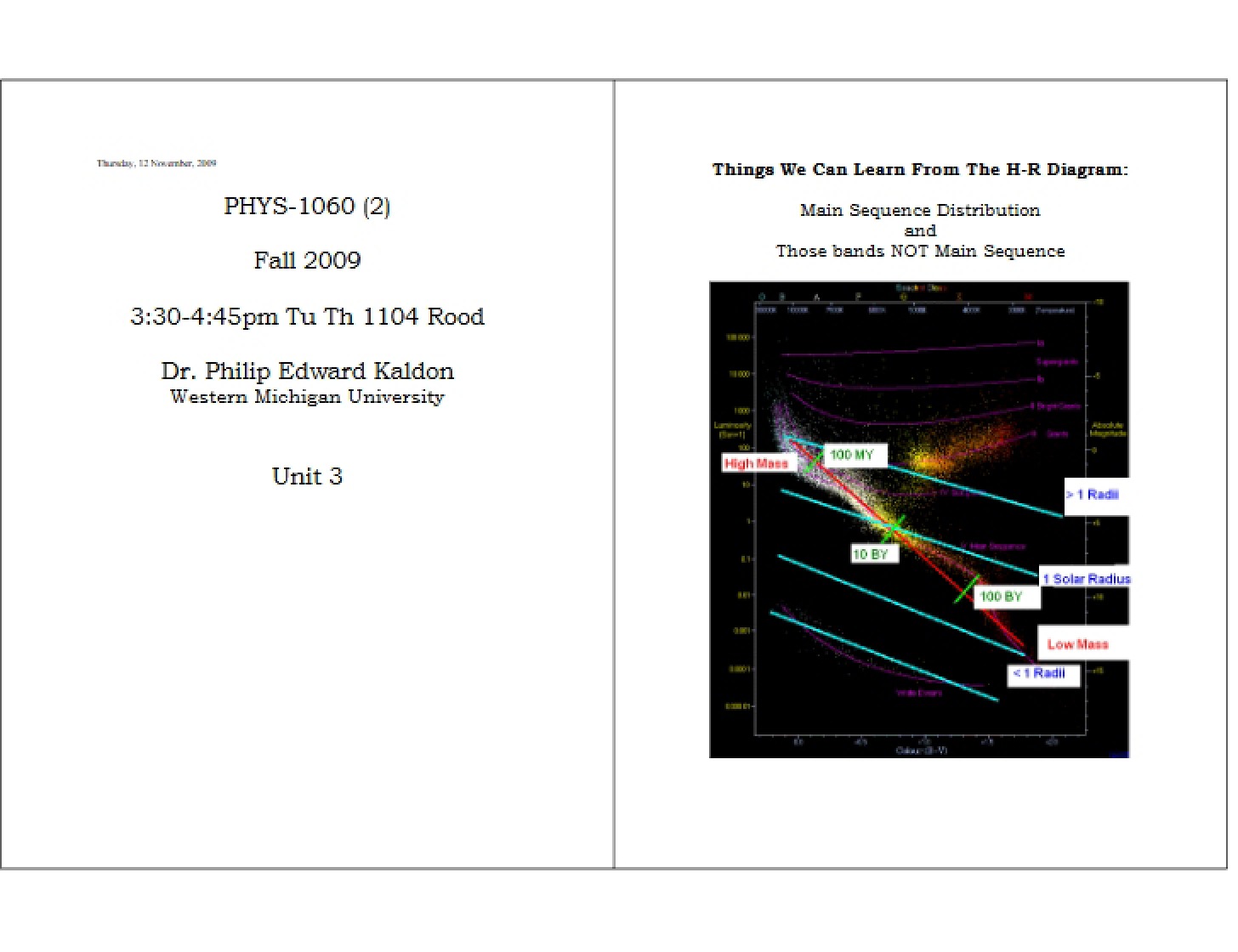
* Discussion of stellar characteristics and examples of different star types.
* Information regarding the structure of the Milky Way galaxy, including its components and dynamics.
* An exploration of the different types of galaxies observed in the universe.
* Details on the composition and distribution of gas within galaxies.
* References to specific chapters and sections within the course textbook.
* Insights into the processes of star formation and galactic evolution.
* Discussion of key observational features used to study galaxies.