What This Document Is
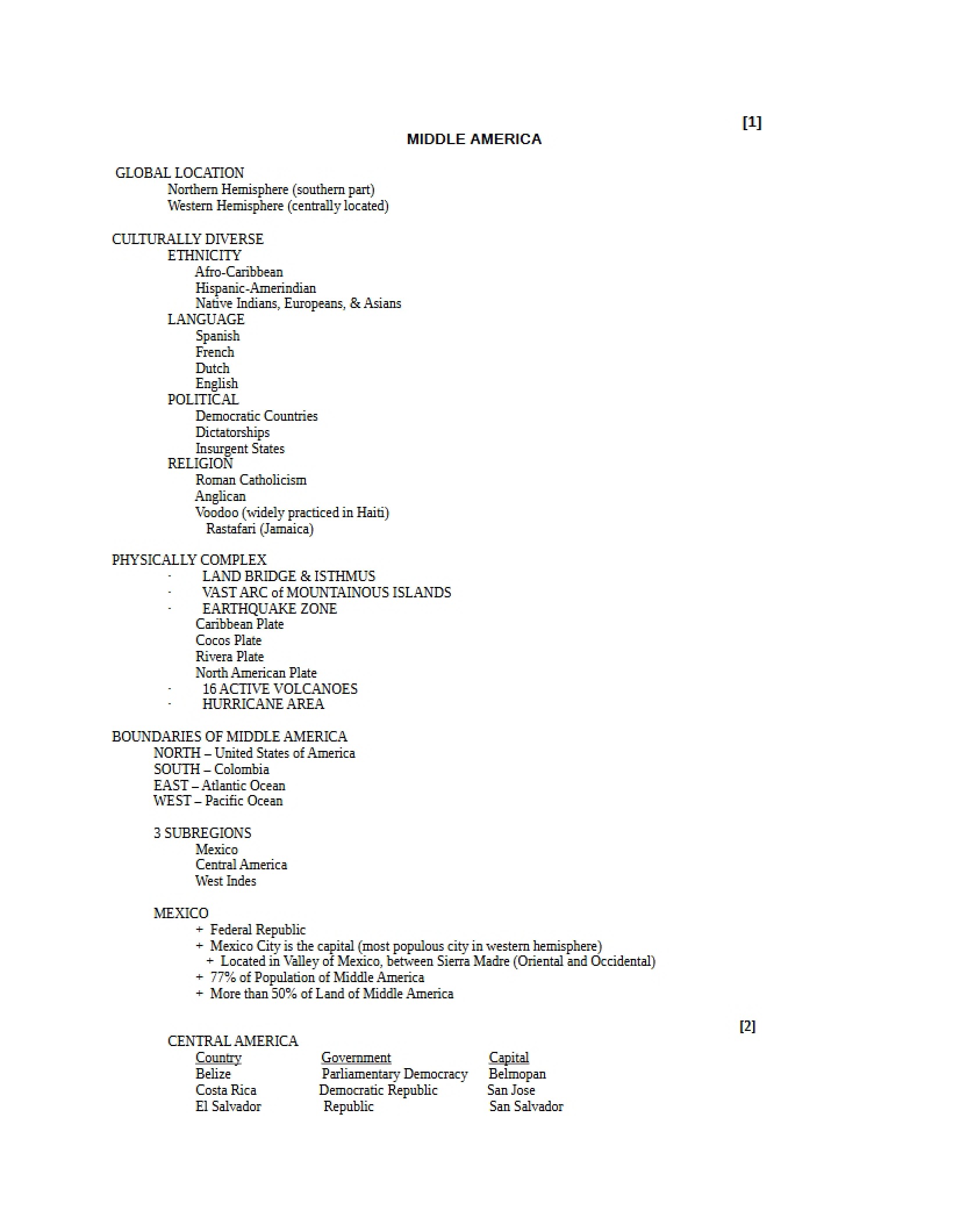
This document provides a broad overview of Latin America, encompassing its geographical regions – South America, Central America, Mexico, and the Caribbean – and key aspects of its history, economy, and physical environment. It’s a lecture intended to introduce students to the diverse characteristics of this region.
Why This Document Matters
This lecture is essential for students in GEO 135 (World Geography) at Illinois State University seeking a foundational understanding of Latin America. It’s used as an introductory component of a larger course exploring global regions. Understanding the historical and geographical context of Latin America is crucial for analyzing contemporary issues related to development, politics, and environmental challenges.
Common Limitations or Challenges
This document offers a survey-level introduction. It does *not* provide in-depth analysis of specific countries or detailed economic data. It also doesn’t cover every nuance of the region’s complex cultural landscape. Users will still need to engage with further research and course materials to develop a comprehensive understanding.
What This Document Provides
This lecture includes:
* A geographical overview of the regions constituting Latin America.
* A historical summary of colonization by Spain and Portugal, and subsequent independence movements (specifically Mexico).
* Discussion of economic factors, including NAFTA, maquiladoras, cash crops (coffee), and tourism.
* Identification of major challenges facing the region, such as drug trafficking, political corruption, and natural disasters.
* An outline of the physical geography of Latin America, including climate zones (tropical, temperate, arid), and the impact of El Niño.
* A brief overview of major biomes and altitudinal zonation.
This preview does *not* include detailed case studies of individual countries, specific policy analyses, or a comprehensive examination of cultural diversity. It is a foundational overview intended to prepare students for more focused study.