What This Document Is
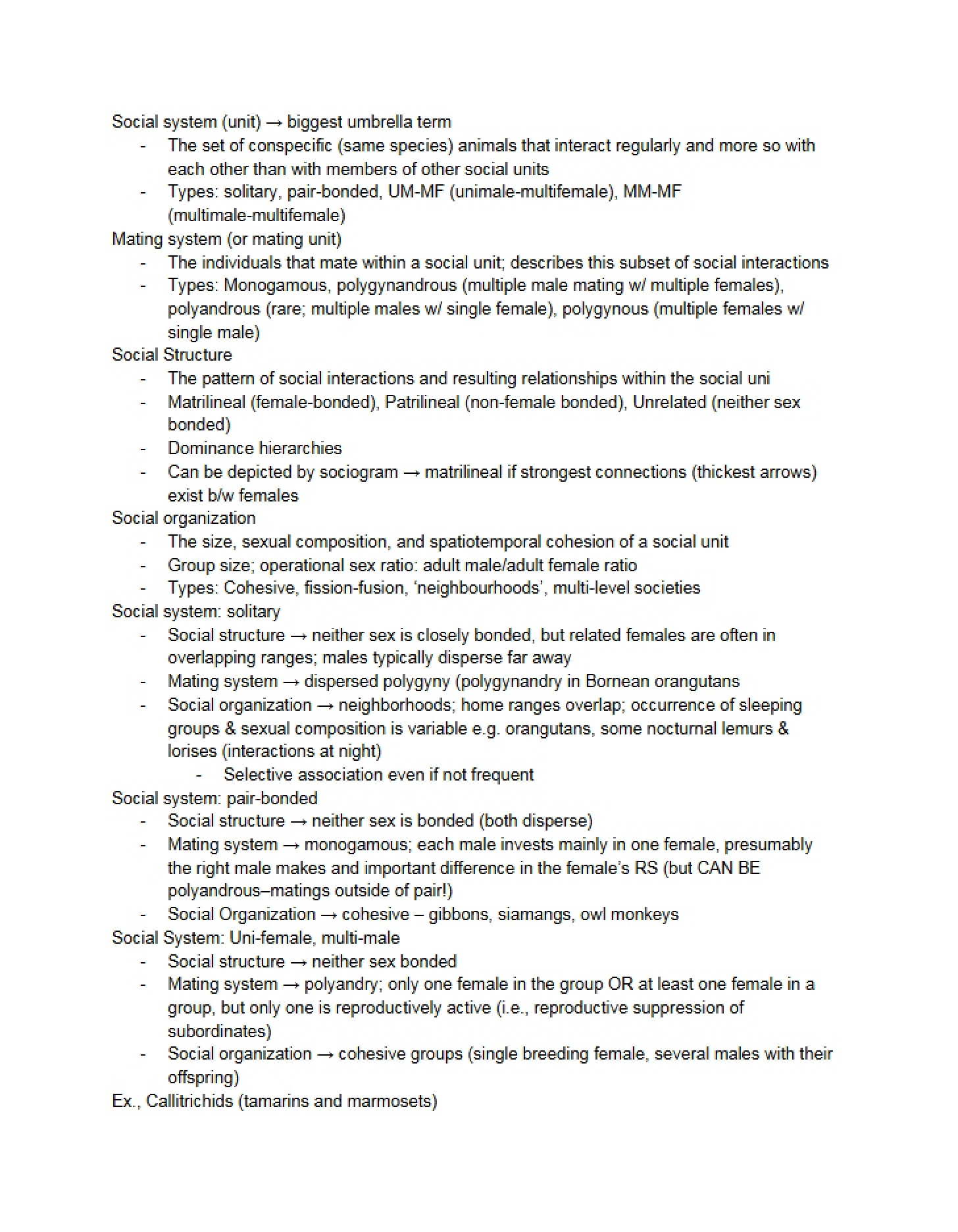
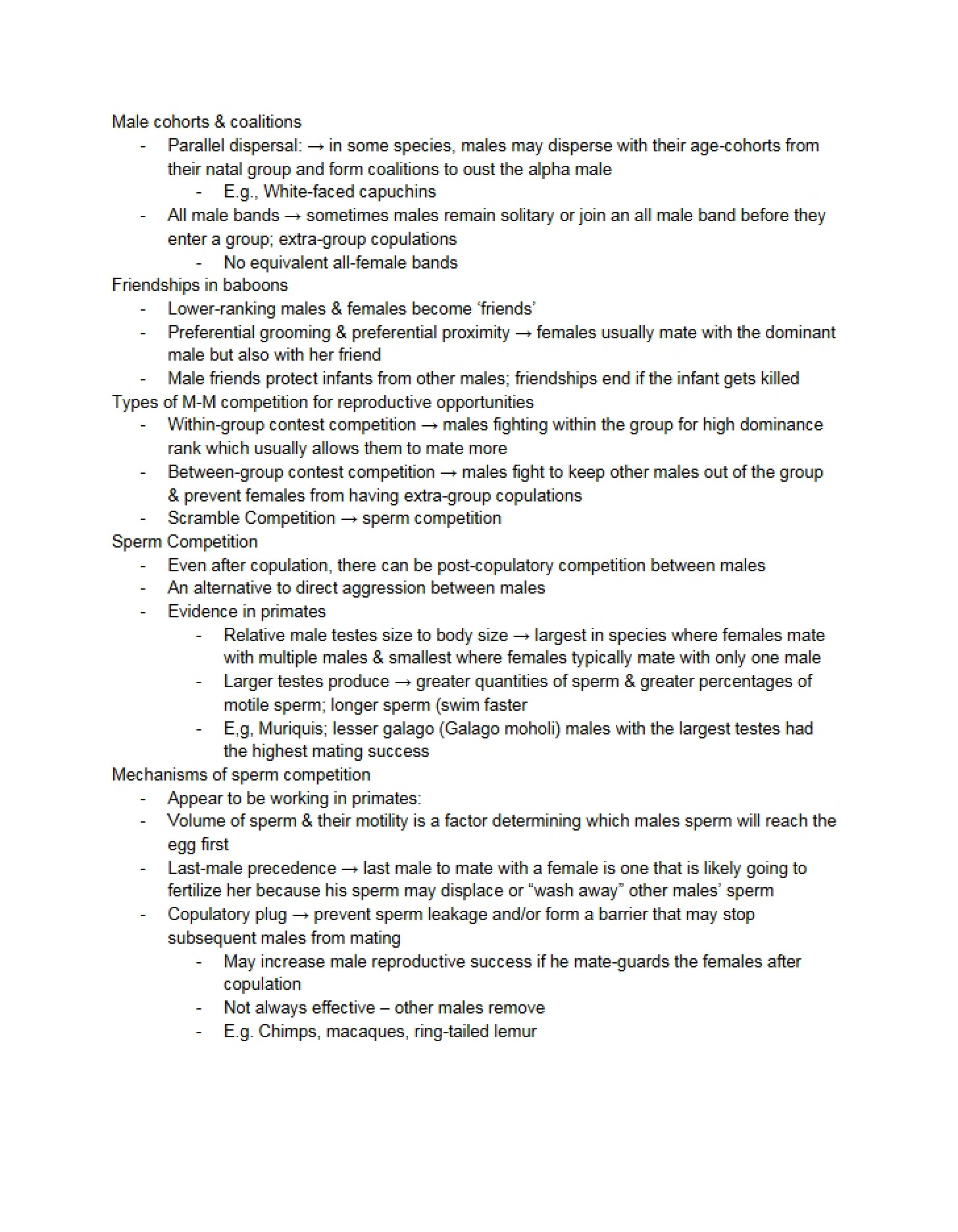
This study guide delves into the complex interplay of social behaviors and ecological factors within primate species, with a specific focus on reproductive strategies and nutritional ecology. It explores the evolutionary pressures shaping primate social systems, particularly concerning female reproductive success and the challenges associated with raising offspring. The material centers on understanding how resource availability and social dynamics influence behavioral patterns, and how these patterns vary between different primate groups.
Why This Document Matters
This resource is ideal for students enrolled in advanced primate behavior, behavioral ecology, or anthropology courses. It’s particularly useful when preparing for in-depth discussions about primate social structures, reproductive strategies, and the ecological constraints influencing those strategies. Students grappling with concepts like parental investment, sexual selection, and the socioecological model will find this guide a valuable companion to course lectures and readings. It’s best utilized *after* foundational knowledge of primate biology has been established.
Common Limitations or Challenges
This guide provides a focused exploration of specific topics within primate social behavior and ecology. It does not offer a comprehensive overview of all primate species or a complete history of primatology. It also doesn’t provide detailed methodologies for conducting primate research or statistical analyses of behavioral data. The material assumes a base level of understanding of evolutionary principles and ecological concepts. It will not, for example, walk you through basic ecological definitions.
What This Document Provides
* An examination of factors influencing female reproductive strategies in primates.
* Discussion of the potential evolutionary drivers behind specific behavioral patterns.
* Exploration of the relationship between food availability and reproductive success.
* Analysis of different primate feeding categories and their nutritional implications.
* Consideration of the energetic costs associated with primate reproduction.
* Insights into the complexities of social interactions and their impact on individual fitness.