What This Document Is
These materials consist of lecture slides for Modeling Biomolecular Systems I (BIOL 5476) at Washington University in St. Louis. The slides delve into the theoretical foundations of computational chemistry, specifically focusing on methods used to understand the electronic structure of molecules. It explores techniques beyond simple models, moving towards more sophisticated approaches for accurately representing biomolecular systems. The core subject matter centers on *ab initio* and semi-empirical quantum mechanical methods.
Why This Document Matters
This resource is invaluable for students enrolled in advanced biochemistry, biophysics, or computational biology courses. It’s particularly helpful for those seeking a deeper understanding of the mathematical and computational principles underpinning molecular modeling. Researchers utilizing computational methods to study proteins, nucleic acids, or other biomolecules will also find this a useful refresher or foundational resource. It’s best utilized *during* a lecture series on the topic, or as a study aid to reinforce concepts presented in class.
Common Limitations or Challenges
These slides represent a condensed overview of complex topics. They do not provide a comprehensive, self-contained learning experience. Prior knowledge of quantum mechanics, linear algebra, and basic chemistry is strongly recommended. The slides themselves do not include detailed derivations of equations or step-by-step instructions for implementing these methods – they present the core concepts and results. Access to external software or computational resources is not included.
What This Document Provides
* An overview of iterative techniques for solving the Schrödinger equation in molecular systems.
* Discussion of the convergence criteria and potential challenges in self-consistent field (SCF) calculations.
* Illustrative examples of molecular orbital diagrams for specific molecules.
* Comparisons of different computational methods and their associated strengths and weaknesses.
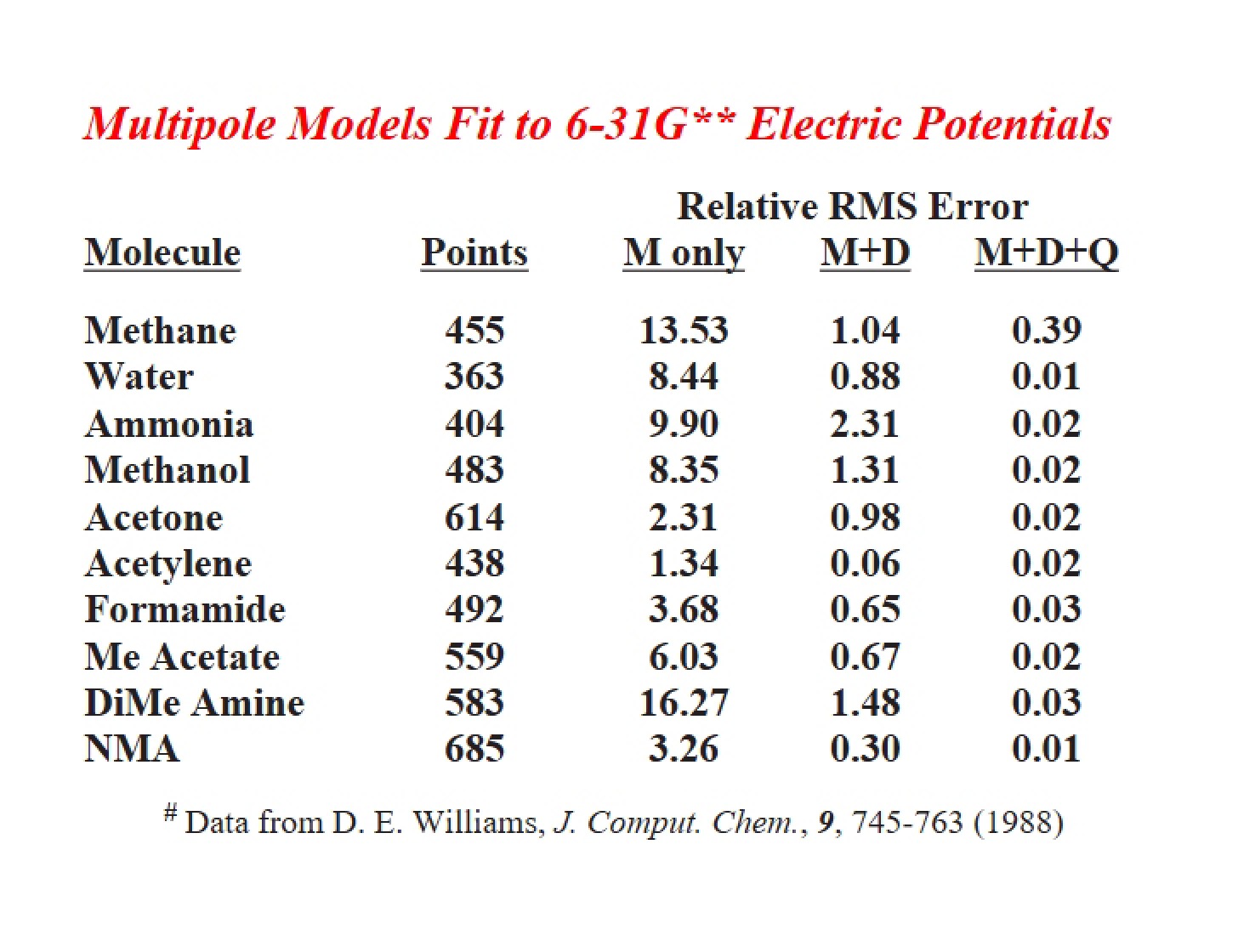
* Presentation of data relating to charge distribution within molecules calculated using various methods.
* Visual representations of electron density and electrostatic potential.