What This Document Is
This material represents a focused set of lecture slides exploring the foundational concepts of random variables and probability distributions – a core component of introductory statistics for engineers. It delves into both discrete and continuous random variables, laying the groundwork for understanding how to model and analyze uncertainty in engineering systems. The slides systematically build from basic definitions to more complex distributions commonly encountered in practical applications.
Why This Document Matters
This resource is invaluable for students enrolled in an introductory statistics course, particularly those in engineering disciplines. It’s best utilized during lectures, as a study aid when reviewing course material, or as preparation for assignments and exams. Engineers across all fields rely heavily on statistical modeling, and a firm grasp of random variables and distributions is essential for tasks like quality control, risk assessment, and data analysis. Understanding these concepts allows for informed decision-making when dealing with inherent variability in real-world processes.
Common Limitations or Challenges
This set of slides provides a theoretical overview and conceptual framework. It does *not* include fully worked-out problem sets, step-by-step calculations, or detailed derivations of formulas. It’s designed to supplement, not replace, textbook readings, homework assignments, and instructor-led discussions. The slides also focus on establishing the core principles; advanced applications and specialized distributions are not covered in this part of the course.
What This Document Provides
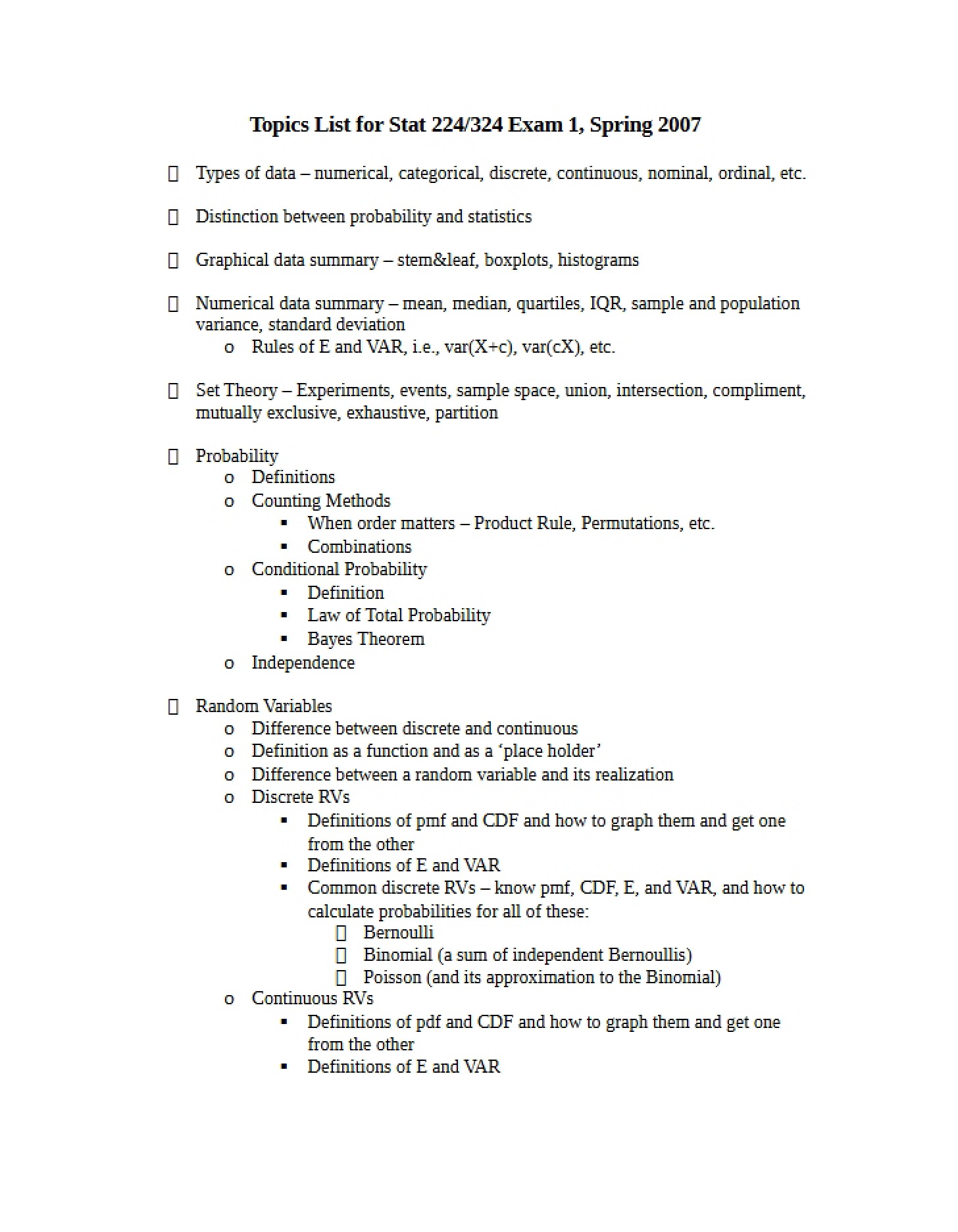
* An overview of different types of random variables.
* A conceptual explanation of probability distributions – both for discrete and continuous cases.
* An introduction to key distributions frequently used in engineering contexts.
* Discussion of probability mass functions (p.m.f.) and probability density functions (p.d.f.).
* An exploration of the properties and characteristics of Gaussian (Normal) random variables.
* Guidance on utilizing standard normal distribution tables.
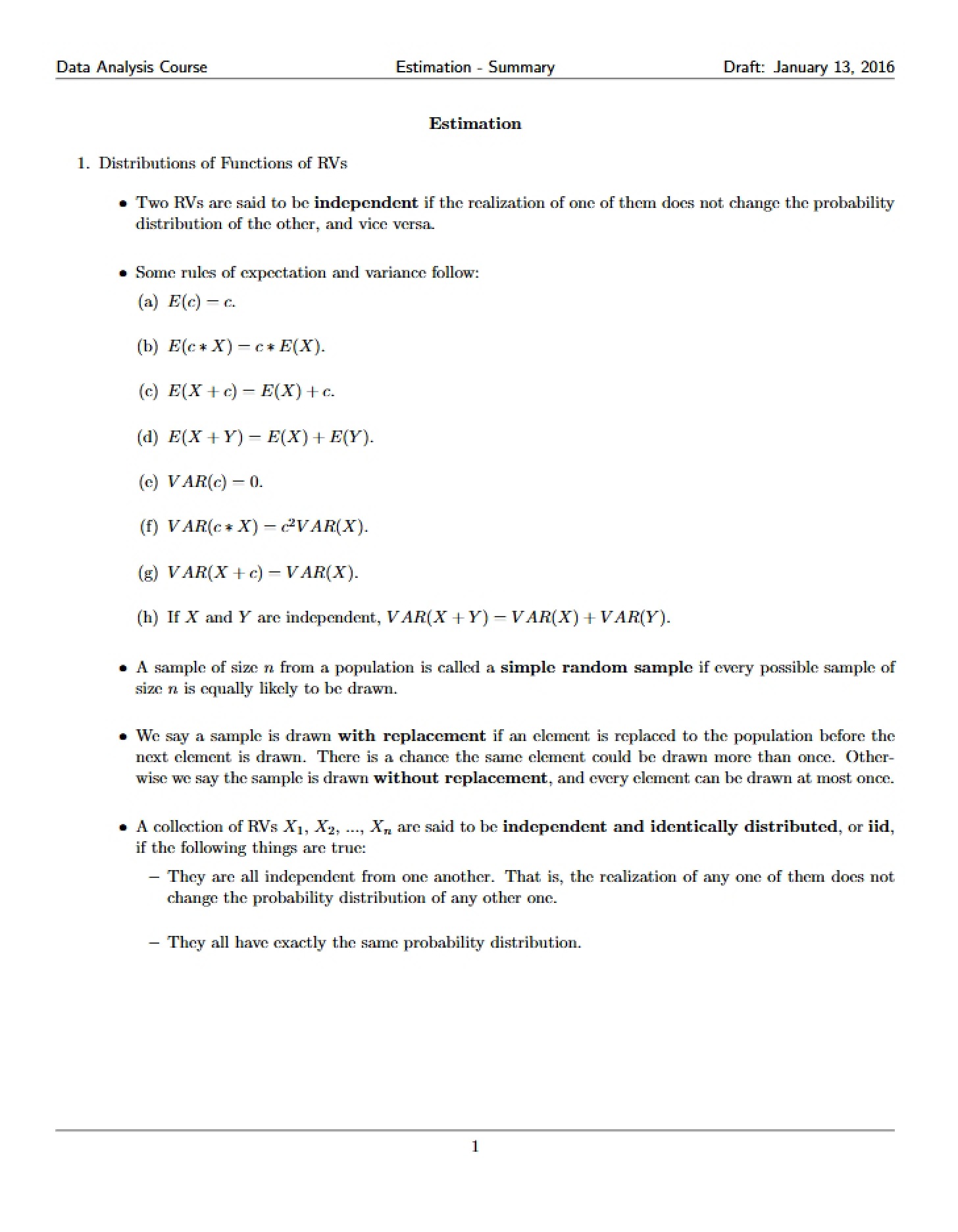
* Concepts related to linear transformations of random variables.