What This Document Is
This is a focused set of notes detailing a key reaction mechanism in organic chemistry – SN1 (Substitution Nucleophilic Unimolecular) reactions. Created for students in UCLA’s CHEM 14D: Organic Reactions and Pharmaceuticals course, these notes provide a foundational understanding of this important reaction type and its underlying principles. The material draws from lecture content and established organic chemistry textbooks.
Why This Document Matters
These notes are invaluable for students seeking to master SN1 reactions, a core concept in organic chemistry with broad applications in pharmaceutical synthesis and understanding biochemical processes. They are particularly helpful when studying reaction mechanisms, kinetics, and the factors influencing reaction rates. If you’re struggling to grasp the nuances of unimolecular substitution, or need a concise and organized resource to supplement your coursework, these notes will be a significant asset.
Topics Covered
* The fundamental principles of SN1 reaction mechanisms
* Comparison of SN1 and SN2 reaction pathways
* Detailed examination of carbocation structure and stability
* Factors influencing carbocation stability: inductive effects and resonance
* The role of leaving groups in SN1 reactions
* The impact of substrate structure on SN1 reactivity
* Carbocation reactivity and its implications
What This Document Provides
* A clear explanation of the two-step process characteristic of SN1 reactions.
* Detailed discussion of carbocation intermediates, including their hybridization and charge distribution.
* A comparative analysis of carbocation stability based on substituent effects.
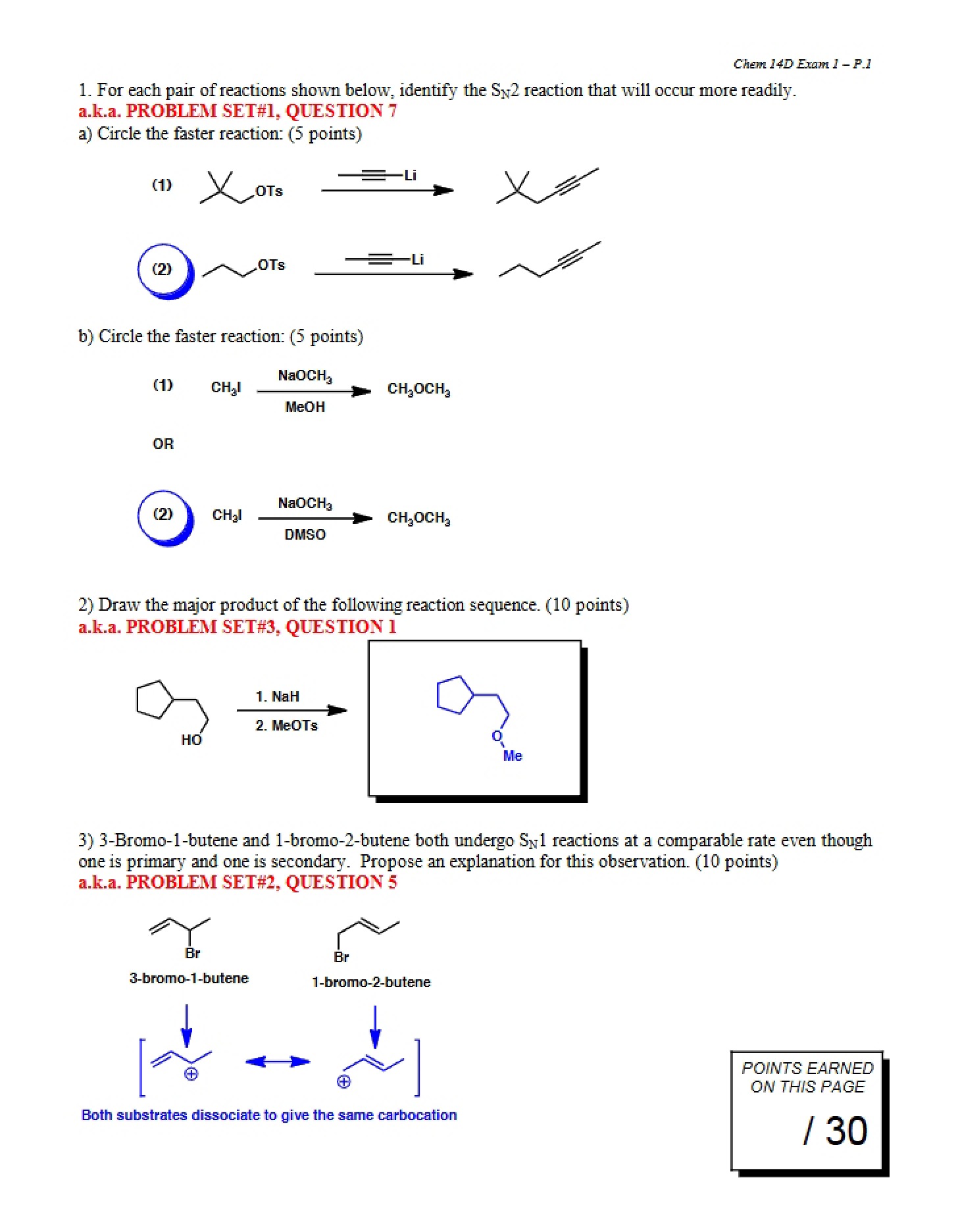
* Illustrative examples demonstrating the impact of resonance on carbocation stabilization.
* A structured approach to understanding the factors that govern SN1 reaction rates and selectivity.