What This Document Is
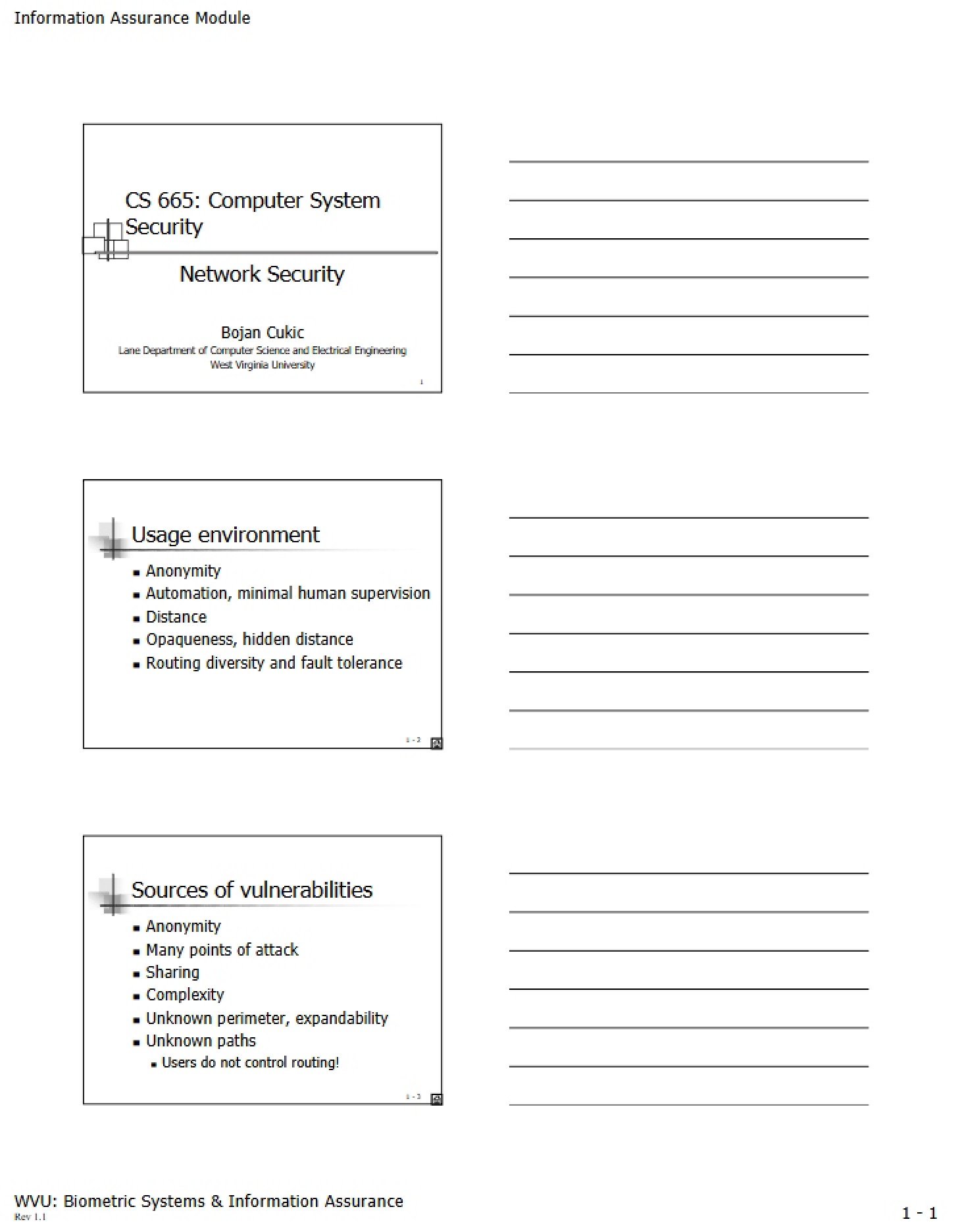
This is a presentation outlining the functionality and architecture of Snort, a widely-used open-source network intrusion detection and prevention system. It delves into the core components of Snort and how they work together to monitor network traffic for malicious activity. The material is geared towards students and professionals seeking a deeper understanding of network security principles and practical implementation of intrusion detection systems. It appears to be based on a course presentation from West Virginia University’s CS 665 Computer System Security class.
Why This Document Matters
This resource is valuable for anyone studying network security, system administration, or cybersecurity. It’s particularly helpful for those preparing to implement or manage Snort in a real-world environment. Understanding the underlying principles of intrusion detection, as explained within, is crucial for effectively analyzing network traffic, identifying potential threats, and responding to security incidents. It can also serve as a foundation for further research into advanced intrusion detection techniques. Students will find this helpful for coursework and exam preparation.
Common Limitations or Challenges
This presentation provides a conceptual overview of Snort. It does *not* include step-by-step installation guides, detailed configuration instructions, or hands-on lab exercises. While it touches upon rule creation, it doesn’t offer a comprehensive guide to writing effective Snort rules. Furthermore, it focuses on the core concepts as of a specific point in time and may not cover the very latest features or updates to the Snort system. It is a starting point for learning, not a complete reference manual.
What This Document Provides
* An explanation of the fundamental concepts behind Network Intrusion Detection Systems (NIDS).
* A breakdown of the Snort architecture and its key components.
* An overview of how Snort processes network packets, including decoding and analysis.
* Discussion of the role and importance of the Snort detection engine.
* Insight into the structure and function of Snort rules.
* Considerations for optimizing Snort performance based on network conditions.
* Exploration of potential areas for further research related to Snort.