What This Document Is
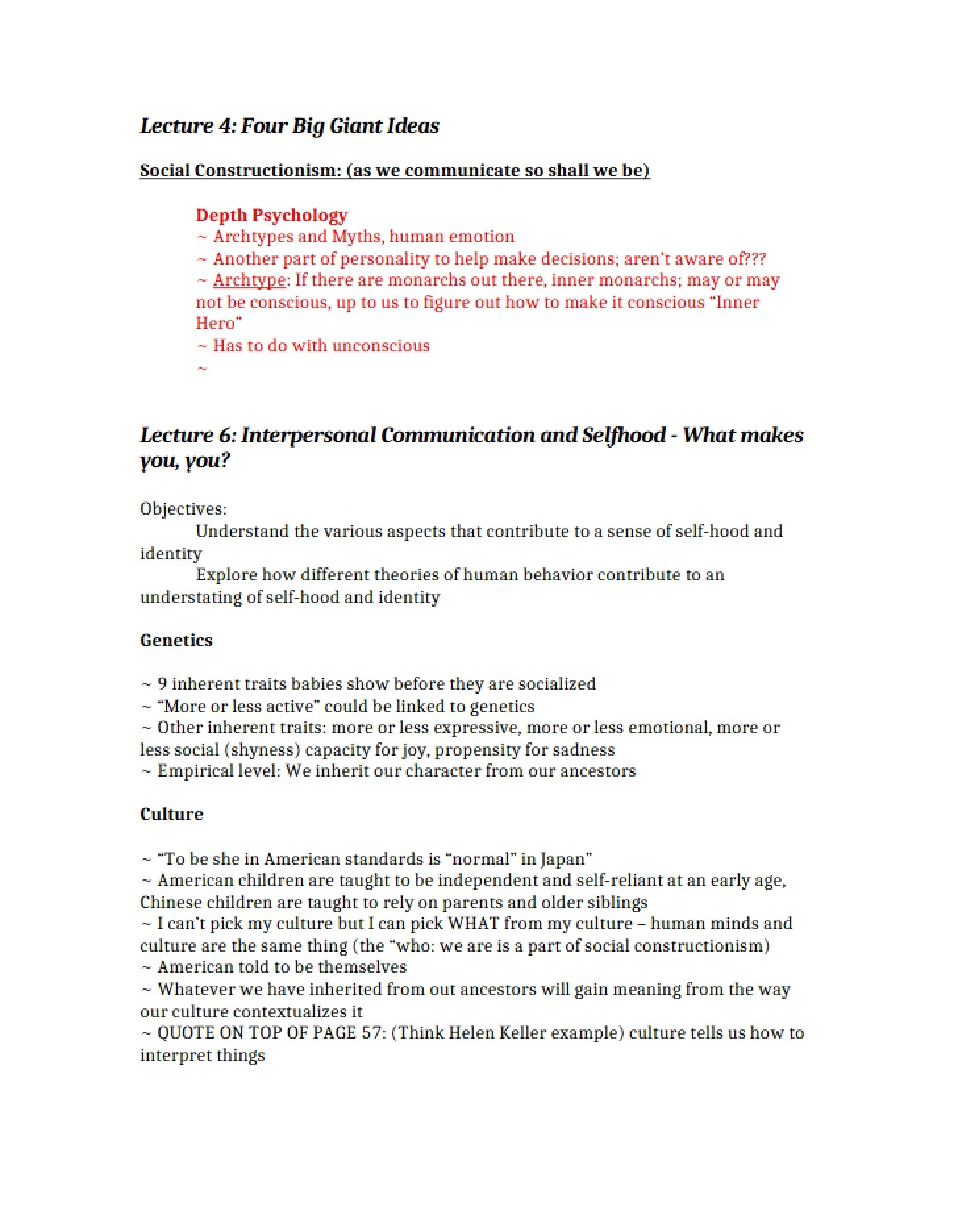
This document comprises lecture notes from COMM 256: Principles of Communication Theory at the University of Delaware, specifically focusing on Lecture 7: Social Interaction and Self-Esteem. It’s a deep dive into the complex relationship between how we perceive ourselves and how we navigate our social worlds. The material explores foundational concepts related to human motivation, identity formation, and the dynamics of social influence. It’s designed to provide a theoretical framework for understanding the psychological underpinnings of communication processes.
Why This Document Matters
This lecture material will be particularly valuable for students seeking a comprehensive understanding of the forces that shape self-perception and social behavior. It’s ideal for those preparing for class discussions, working on related assignments, or aiming to solidify their grasp of core communication theories. Anyone interested in the interplay between individual psychology and social contexts will find this resource insightful. Accessing the full content will allow for a more thorough exploration of these critical concepts.
Topics Covered
* The fundamental nature of self-esteem and its role in human experience
* The motivations behind striving for achievement and recognition
* The contrasting needs for individual distinction and group belonging
* The potential pitfalls associated with external validation and the pursuit of “heroic” ideals
* The concept of “face” and its connection to social identity
* The interplay between self-esteem and face-to-face interactions
* The potential for both positive and negative consequences of hero worship
What This Document Provides
* An examination of the “heroic drive” and its connection to self-esteem.
* A discussion of the paradoxical nature of human needs for both individuality and connection.
* Exploration of the concept of “heroic belonging” and its implications.
* Insights into how social interactions serve as a platform for negotiating self-esteem.
* A framework for understanding the fragility and contingency of identity.