What This Document Is
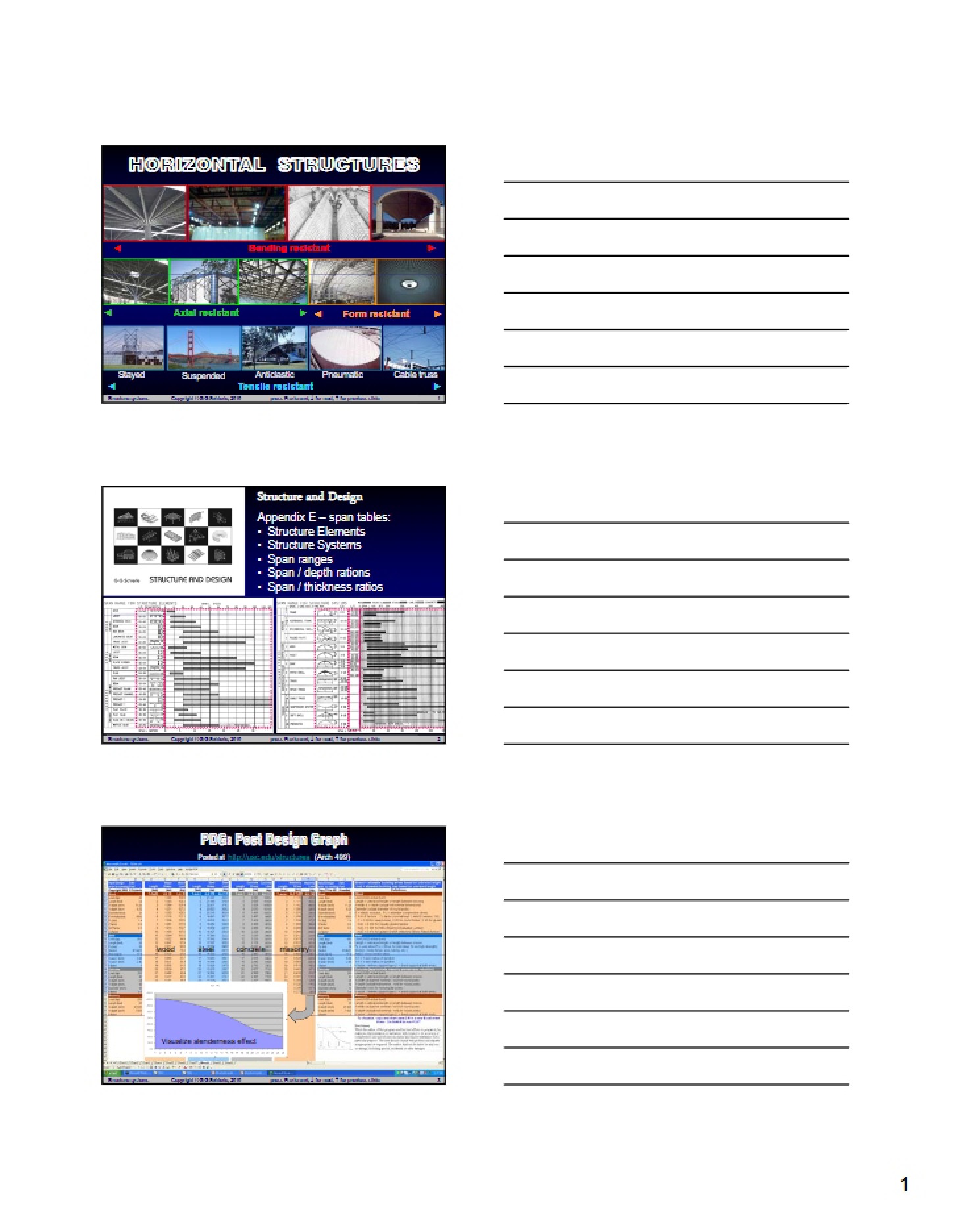
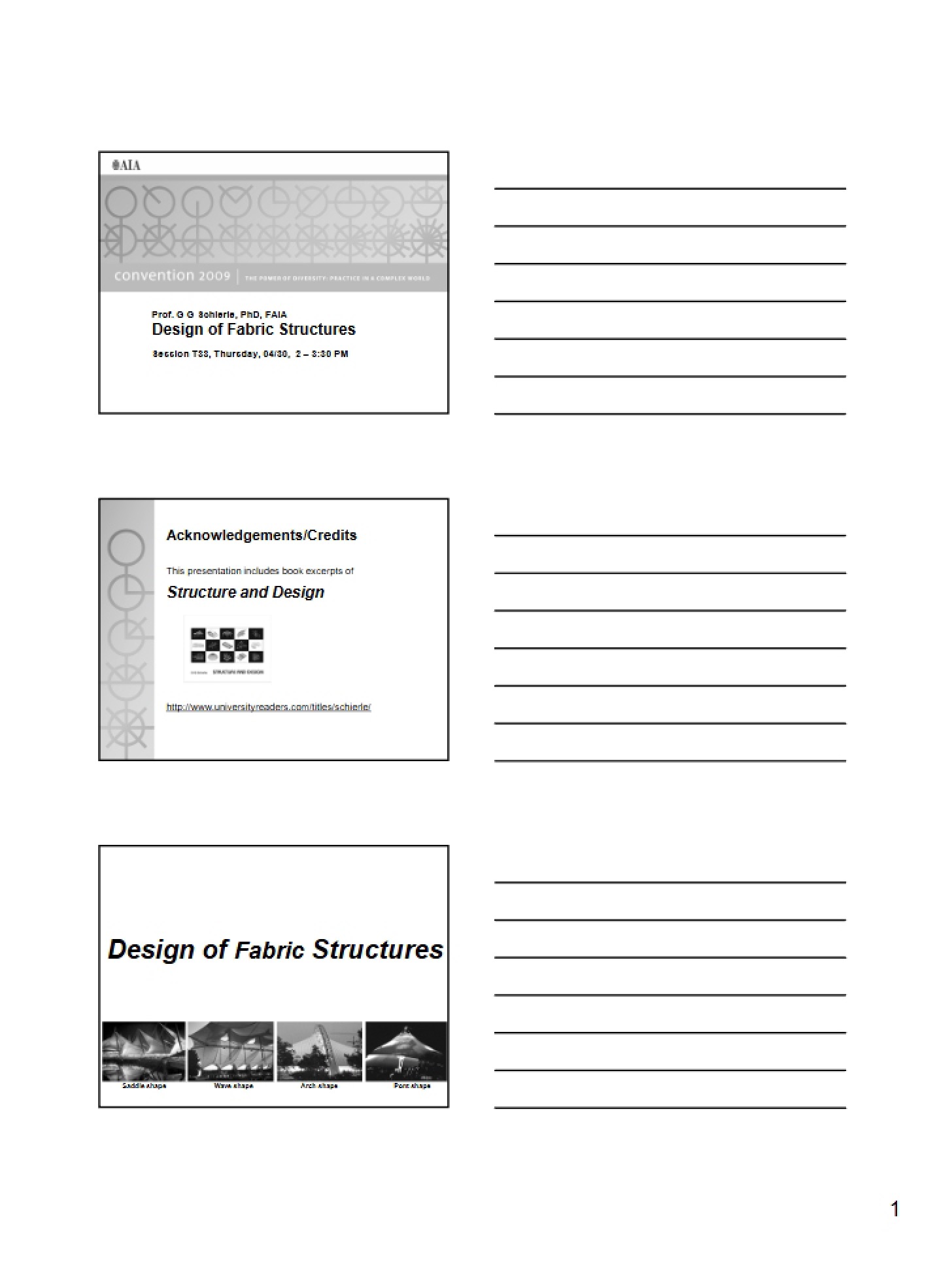
This resource is a micro-seminar exploration of the complex relationship between society and architectural design. Developed for a special topics course at the University of Southern California (ARCH 499), it delves into how societal needs, cultural values, and technological advancements have shaped built environments throughout history – and continue to do so. The material examines a range of architectural projects, analyzing them not just as physical structures, but as reflections of the societies that created them. It’s a focused study intended to broaden understanding of architecture beyond aesthetics and construction techniques.
Why This Document Matters
This material is ideal for architecture students seeking a deeper understanding of the socio-cultural context of design. It’s particularly valuable for those interested in architectural history, theory, and the impact of buildings on human experience. Students preparing for advanced studio work or research projects will find this resource helpful in framing their investigations. Furthermore, anyone interested in the intersection of art, culture, and societal development will benefit from the insights presented. This is a great supplemental resource for broadening perspectives within architectural studies.
Common Limitations or Challenges
This resource focuses on specific case studies and theoretical frameworks. It does *not* provide a comprehensive history of architecture, nor does it offer detailed construction manuals or building codes. It’s designed to stimulate critical thinking and discussion, rather than provide definitive answers or step-by-step design instructions. The material is presented as a curated selection of examples, and doesn’t aim to be an exhaustive survey of all relevant projects. It assumes a foundational understanding of architectural terminology and history.
What This Document Provides
* Exploration of diverse architectural examples spanning different eras and cultures.
* Analysis of how architectural forms respond to and influence societal structures.
* Discussion of innovative building technologies and their social implications.
* Case studies examining the use of materials and their connection to sustainability and resource management.
* Insights into the design philosophies behind landmark architectural projects.
* Visual references to key buildings and structures.