What This Document Is
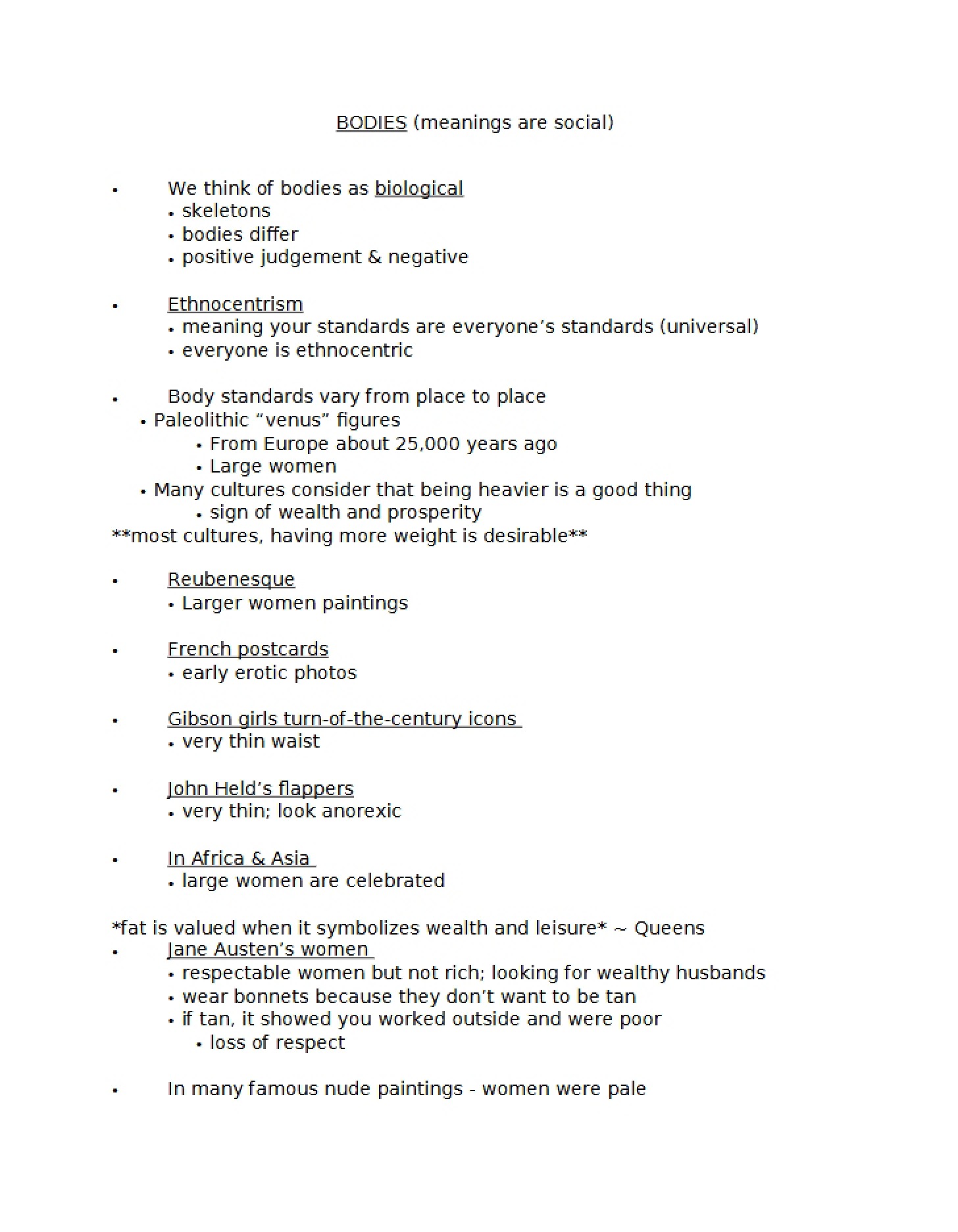
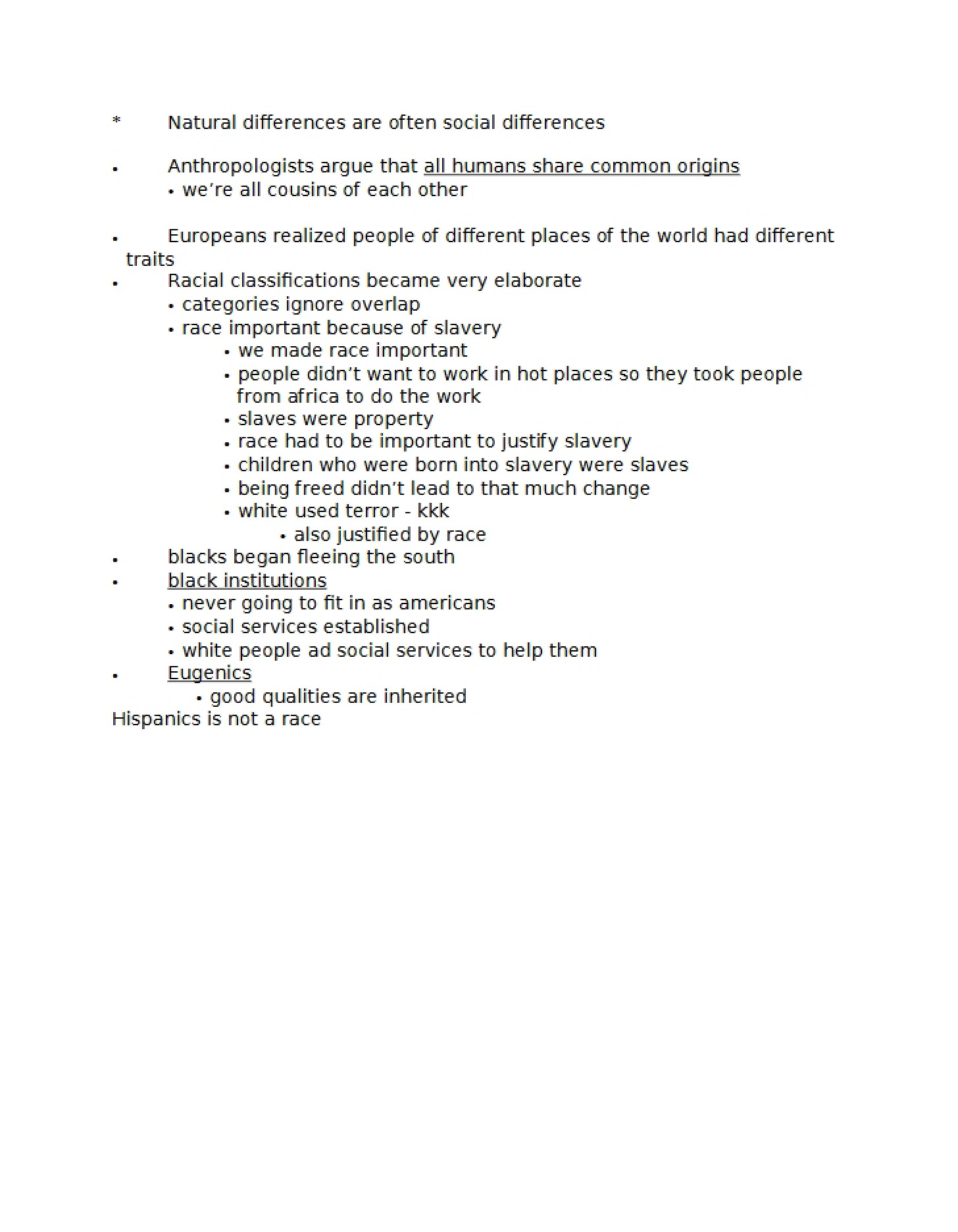
This resource offers a focused exploration of the sociological perspectives on bodies and physical appearance. It delves into how societal norms, cultural values, and historical contexts shape our understanding and experience of the human body. This isn’t a biological examination, but rather a deep dive into the *social* construction of bodily ideals and the meanings attached to physical characteristics. It examines how these meanings aren’t fixed, but rather shift across time and cultures.
Why This Document Matters
Students in introductory sociology courses, particularly those interested in culture, social inequality, or the self, will find this a valuable resource. It’s especially helpful when considering how social forces influence individual identity and behavior. Use this to broaden your understanding of how seemingly personal attributes are, in fact, deeply embedded in social structures and power dynamics. It’s ideal for preparing for class discussions, formulating research questions, or gaining a more nuanced perspective on everyday life.
Topics Covered
* Historical variations in body ideals and standards of beauty
* The relationship between social class, wealth, and physical appearance
* The social significance of bodily modifications (e.g., tattoos, cosmetic surgery)
* The concept of “conspicuous consumption” and its connection to the body
* The presentation of self and the management of impressions in social interactions
* The social construction of health and “normal” body weight
* The emergence of bodies as sites of social problems and anxieties
What This Document Provides
* An examination of how cultural contexts influence perceptions of attractiveness.
* Insights into the ways bodies are used to communicate social status and identity.
* A framework for understanding the performative aspects of everyday life.
* Exploration of the historical evolution of body standards.
* Consideration of how societal expectations impact individual experiences of the body.
* A foundation for critical thinking about the social forces shaping our physical selves.