What This Document Is
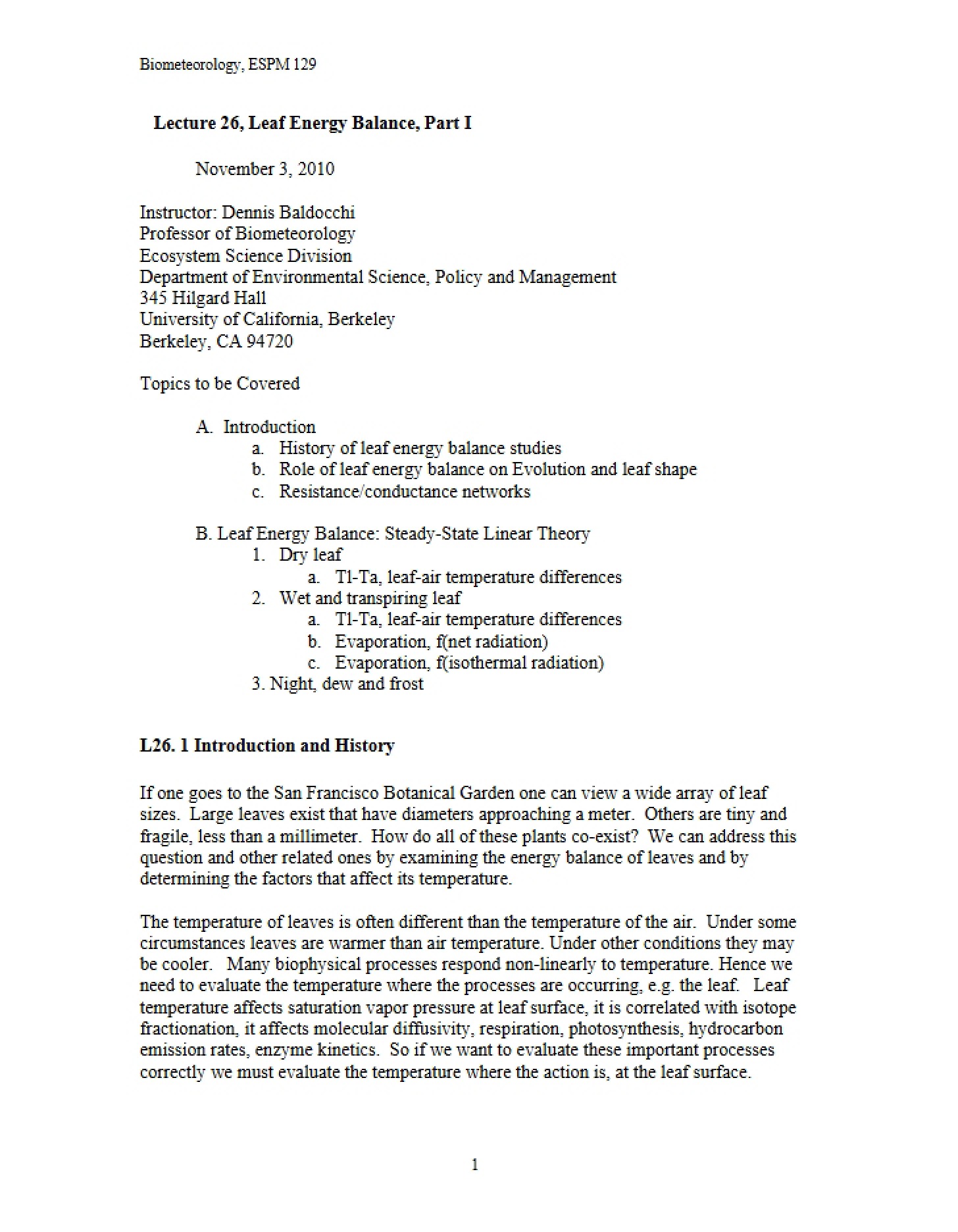
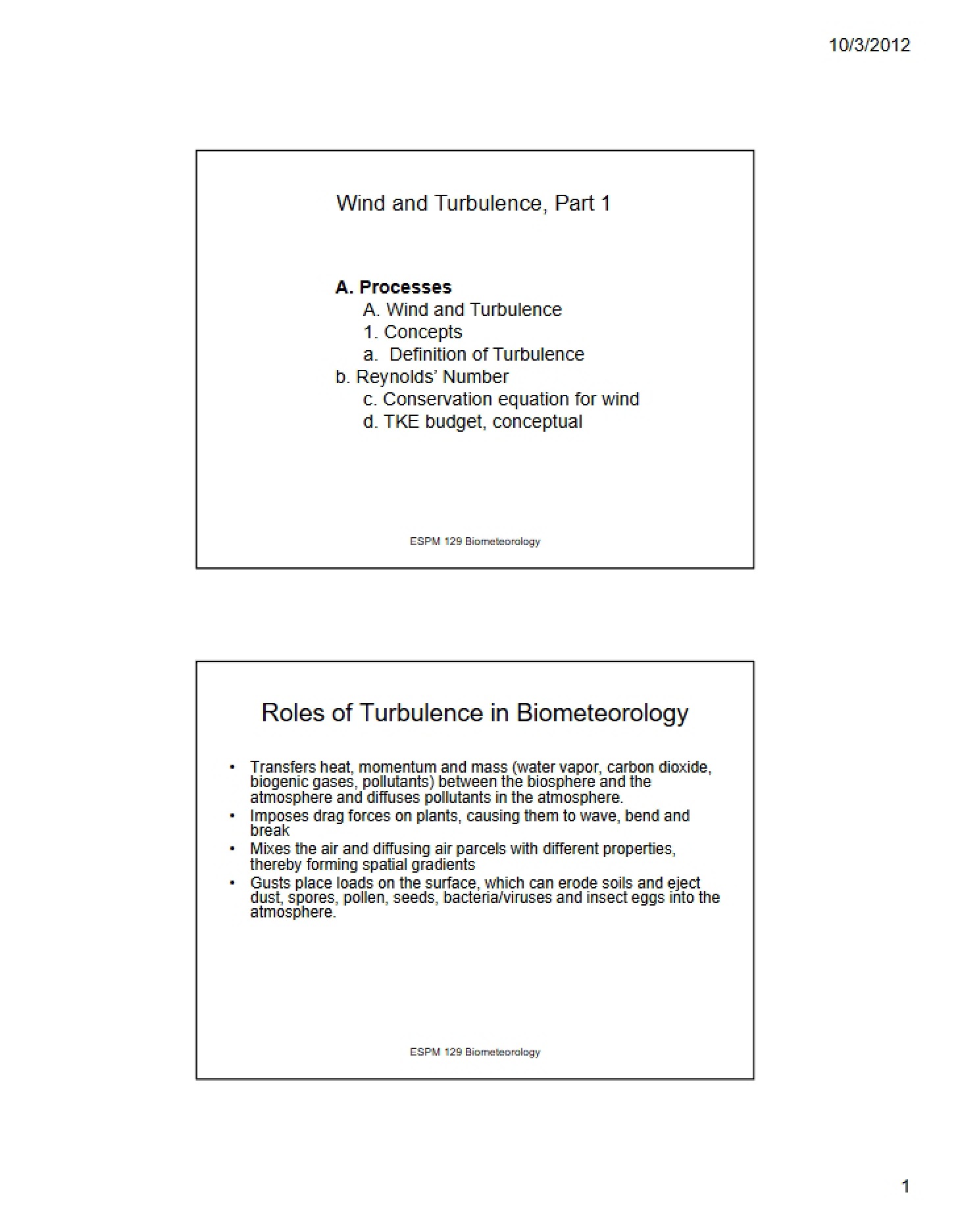
This document comprises lecture materials from ESPM C129 Biometeorology at UC Berkeley, specifically focusing on Soil Physics – Session 34, part 2. It delves into the complex interactions between water and soil, a critical component of understanding biometeorological processes. This lecture builds upon foundational concepts and explores more advanced theories related to moisture dynamics within soil systems. It’s designed for students seeking a deeper understanding of the physical properties of soil as they relate to biological and atmospheric interactions.
Why This Document Matters
This resource is invaluable for students in biometeorology, environmental science, hydrology, and related fields. It’s particularly helpful when studying topics involving water movement in the environment, plant-soil relationships, and the impact of soil properties on ecological processes. Use this material to supplement your coursework, prepare for exams, or gain a more thorough understanding of the principles governing soil water behavior. It’s best utilized alongside other course materials and practical field observations.
Topics Covered
* Theoretical frameworks governing moisture transfer in soils
* The concept of water potential and its various components (pressure, osmotic, gravitational, matric)
* Analysis of moisture profiles and their seasonal variations
* The influence of soil texture on water retention and movement
* Soil evaporation processes and related calculations
* Relationships between soil water content and water potential
* Saturated and unsaturated flow dynamics within soil
* Pedotransfer functions and their application
What This Document Provides
* Detailed explanations of key concepts in soil physics, presented in a lecture format.
* Visual aids, including graphs and diagrams, illustrating relationships between soil water potential, content, and other relevant factors.
* Exploration of different soil types and their unique water retention characteristics (e.g., peat, silt loam, organic soils).
* Discussion of methods for understanding and quantifying water availability to plants.
* A framework for understanding the forces driving water movement in soil, including gravity, pressure, and matrix effects.