What This Document Is
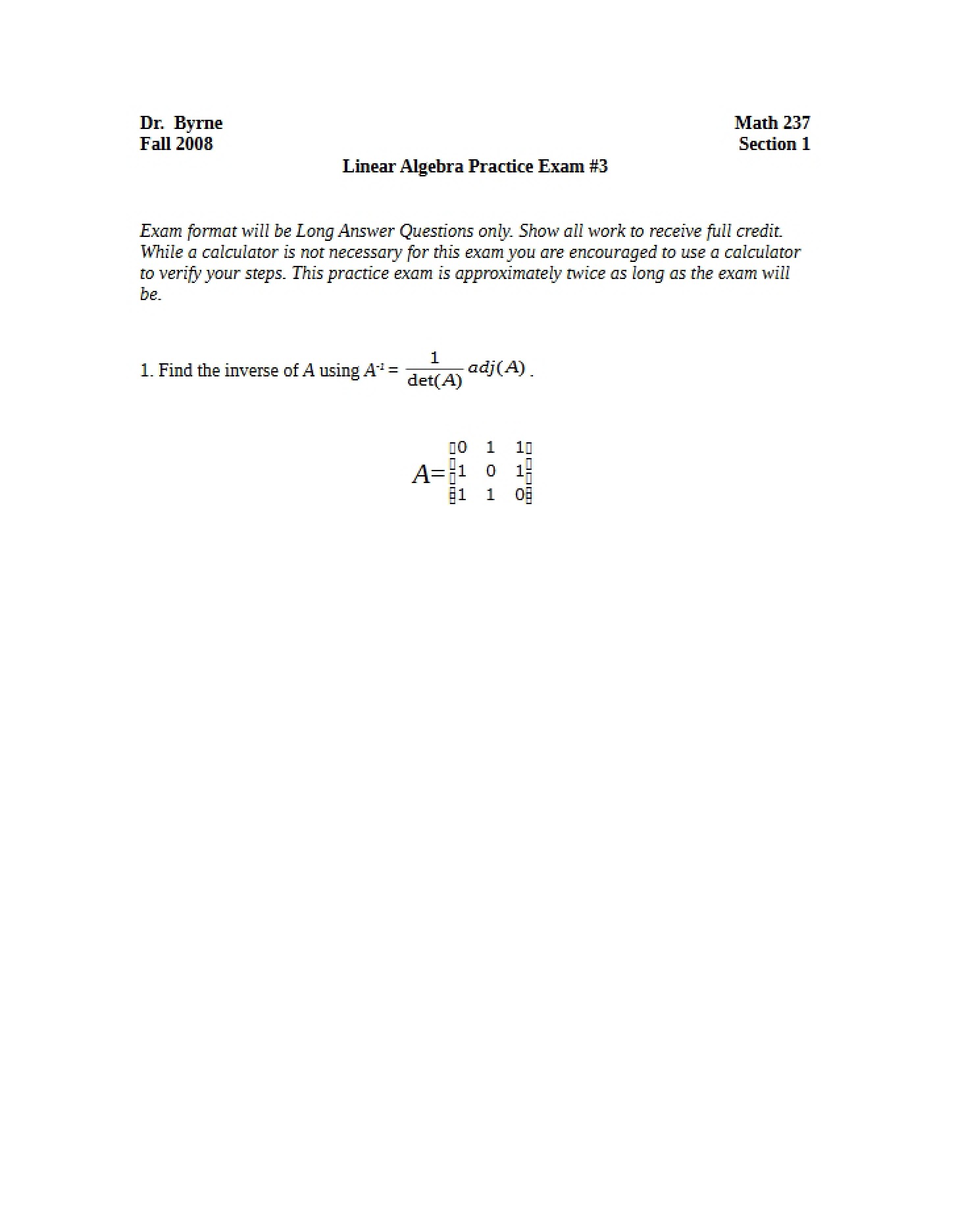
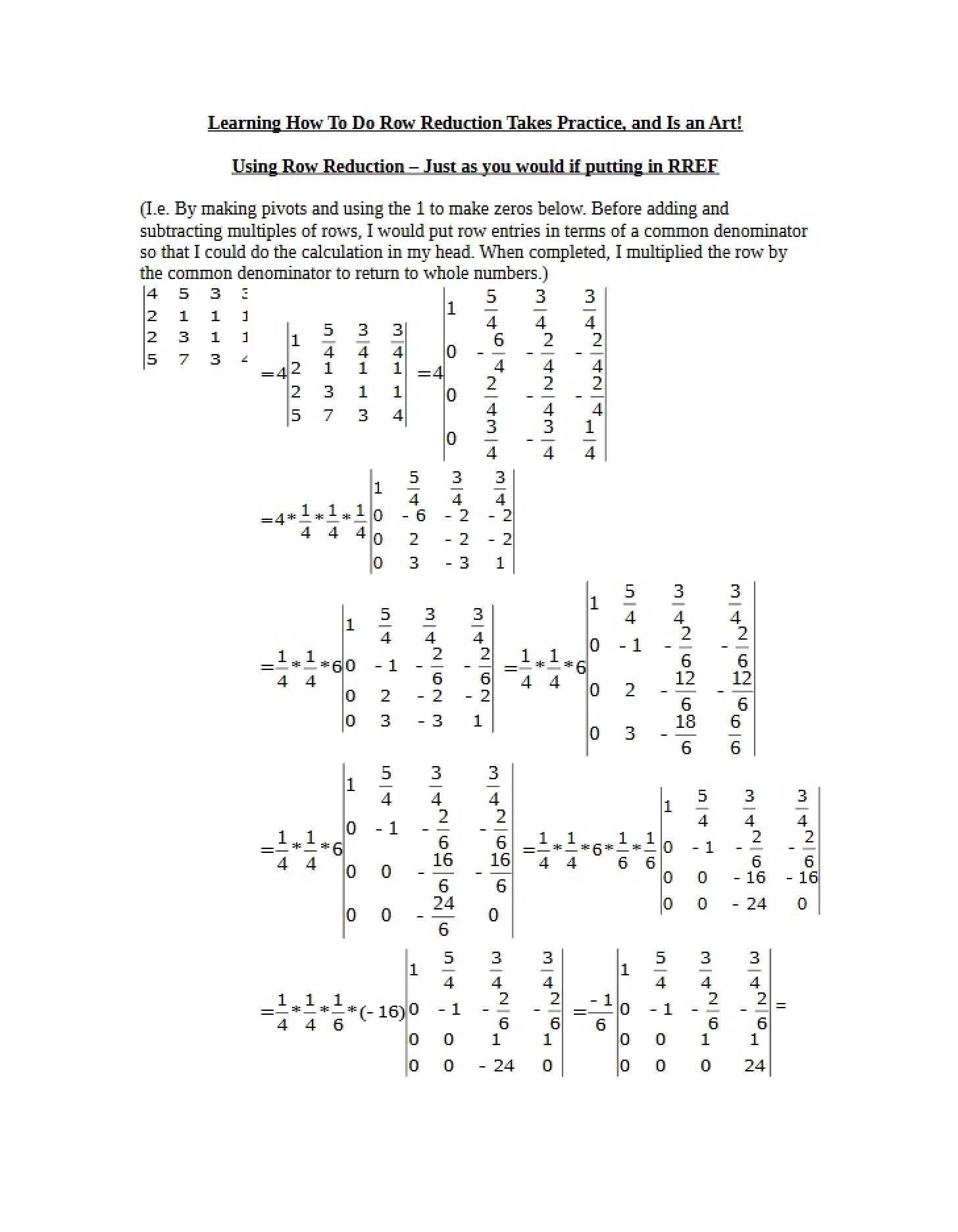
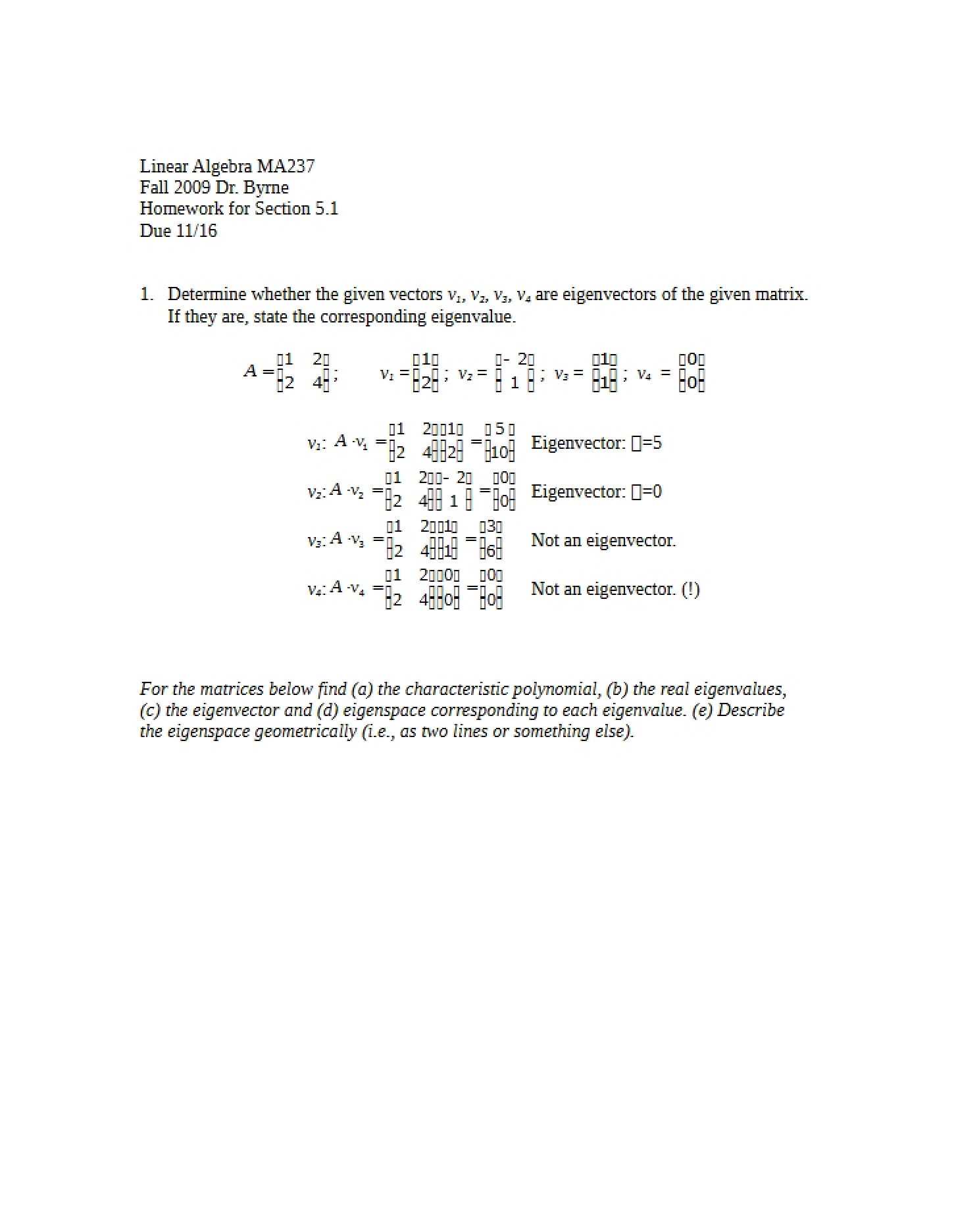
This study guide focuses on the core techniques for solving systems of linear equations, a foundational topic within Linear Algebra I. It specifically breaks down a worked example, demonstrating a methodical approach to manipulating and analyzing these systems. The material centers around applying elementary row operations to an augmented matrix representing a set of equations. It’s designed to reinforce understanding of how to transform a system into a solvable form.
Why This Document Matters
Students enrolled in a first-semester Linear Algebra course (like MA 237 at the University of South Alabama) will find this resource particularly helpful. It’s ideal for those who are working through homework assignments involving systems of equations and are seeking a detailed illustration of a common problem-solving process. This guide is best used *alongside* your textbook and lecture notes, as a way to check your understanding and see a complete example worked through step-by-step. It’s especially useful when you’re encountering difficulties applying row operations or interpreting the results of matrix manipulation.
Common Limitations or Challenges
This resource focuses on a *single* problem. While it demonstrates a thorough methodology, it doesn’t cover every possible scenario or type of linear system you might encounter. It won’t provide generalized rules for all cases, nor will it delve into the theoretical underpinnings of why these methods work. It also assumes a basic understanding of matrix notation and elementary row operations – it’s not a substitute for learning the fundamental definitions and concepts. Accessing the full solution won’t automatically grant mastery; practice with various problems is still essential.
What This Document Provides
* A complete, step-by-step illustration of solving a system of linear equations.
* Detailed application of elementary row operations to an augmented matrix.
* A clear presentation of how matrix transformations relate to the original system of equations.
* An example showcasing how to systematically reduce a matrix to a useful form.
* Insight into the process of determining the solution set for a given system.