What This Document Is
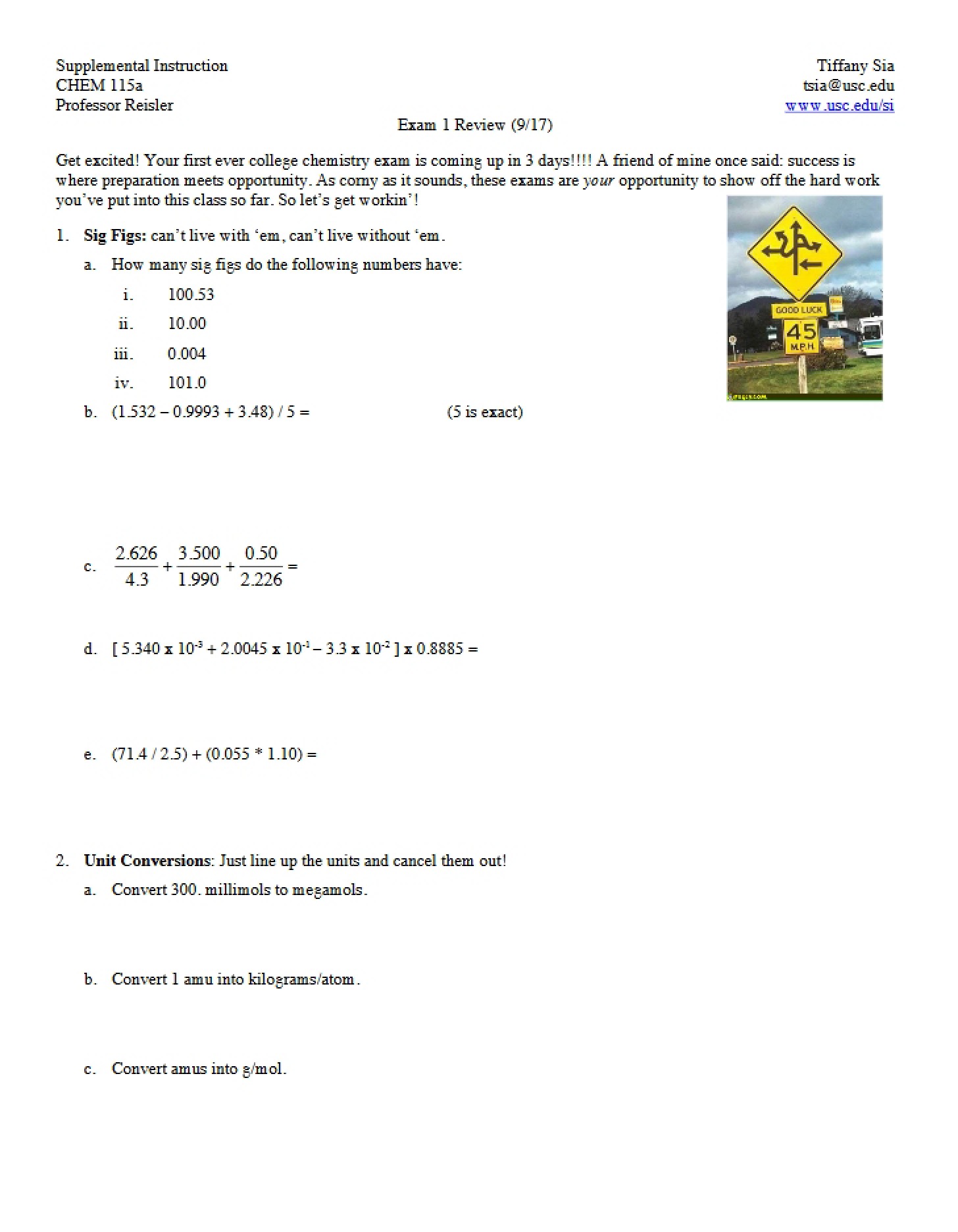
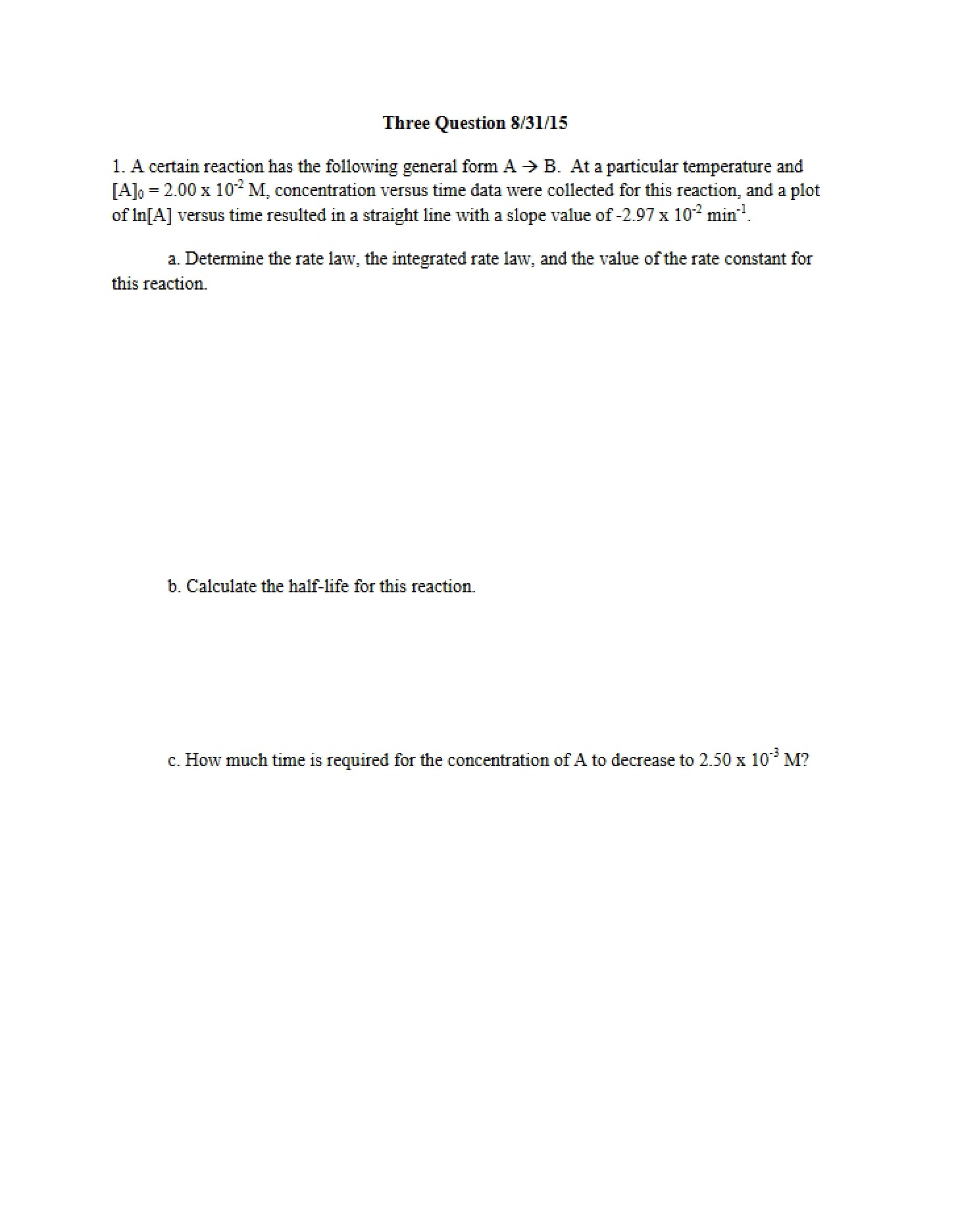
This document contains worked solutions for Exam 2 of CHEM 105a, General Chemistry, offered at the University of Southern California. It’s designed to provide a detailed breakdown of how to approach and resolve problems related to core chemistry concepts covered in the course. The material focuses on applying theoretical knowledge to quantitative problem-solving, a crucial skill for success in general chemistry.
Why This Document Matters
This resource is invaluable for students who have already attempted Exam 2 and are looking to understand where they may have encountered difficulties. It’s particularly helpful for identifying gaps in understanding specific concepts and refining problem-solving techniques. Students preparing for similar exams, or those needing to reinforce their grasp of key principles, will also find this a useful study aid. Reviewing these solutions can significantly improve your performance on future assessments and build a stronger foundation in chemistry.
Common Limitations or Challenges
This document focuses *solely* on providing solutions to the specific questions presented on Exam 2. It does not offer comprehensive explanations of the underlying chemical principles themselves. It assumes you have already been exposed to the relevant lecture material and textbook readings. Furthermore, it doesn’t include alternative solution methods – it presents one approach to each problem. It is not a substitute for attending lectures, completing homework assignments, or actively participating in study groups.
What This Document Provides
* Detailed, step-by-step solutions for a variety of quantitative chemistry problems.
* Problem types covering stoichiometry, reaction types (redox reactions, precipitation reactions), gas laws, and solution chemistry.
* Illustrations of how to apply chemical principles to solve complex problems.
* Calculations demonstrating proper use of units and significant figures.
* Worked examples relating to acid-base neutralization and mass percentage calculations.
* Guidance on identifying oxidizing and reducing agents in redox reactions.