What This Document Is
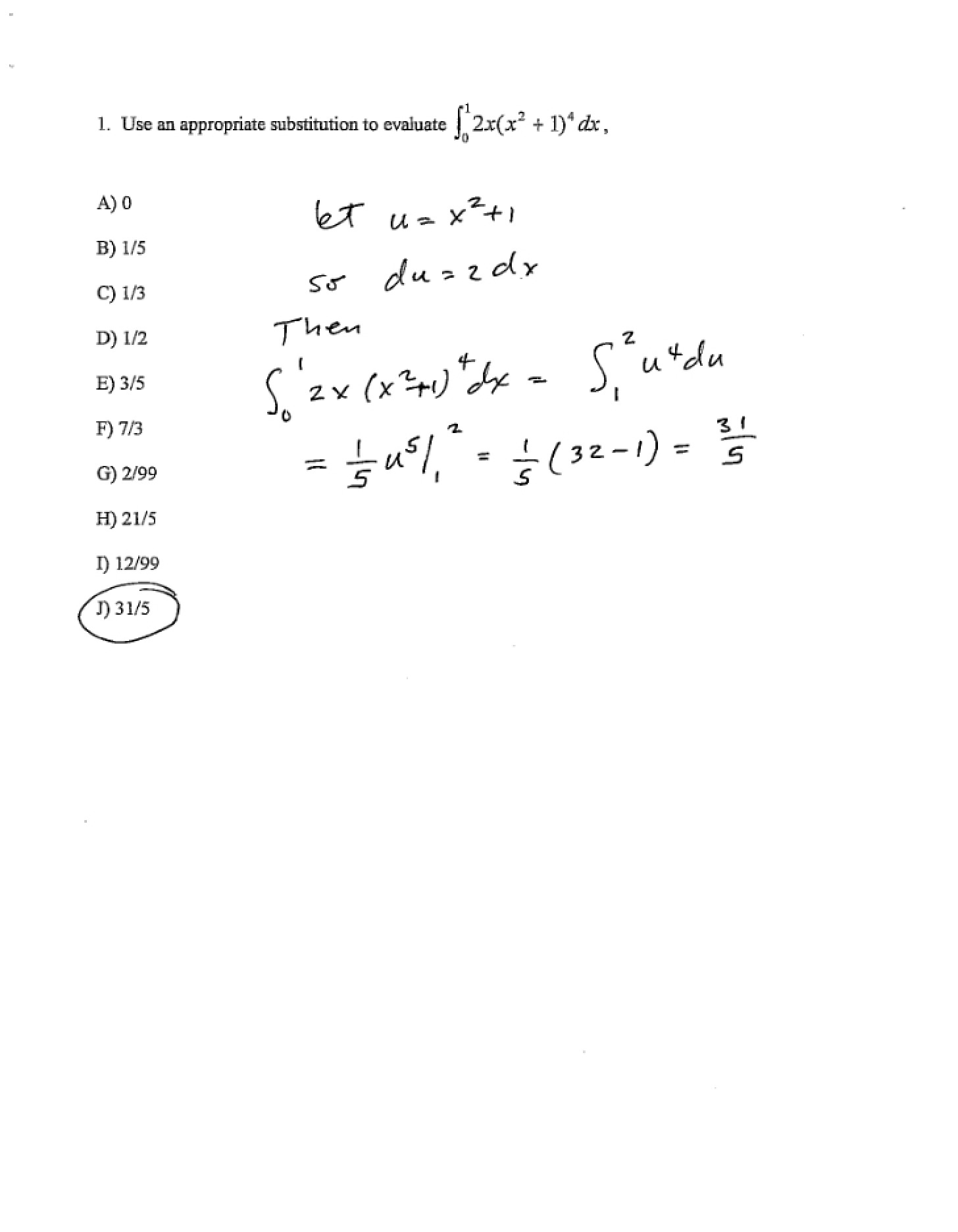
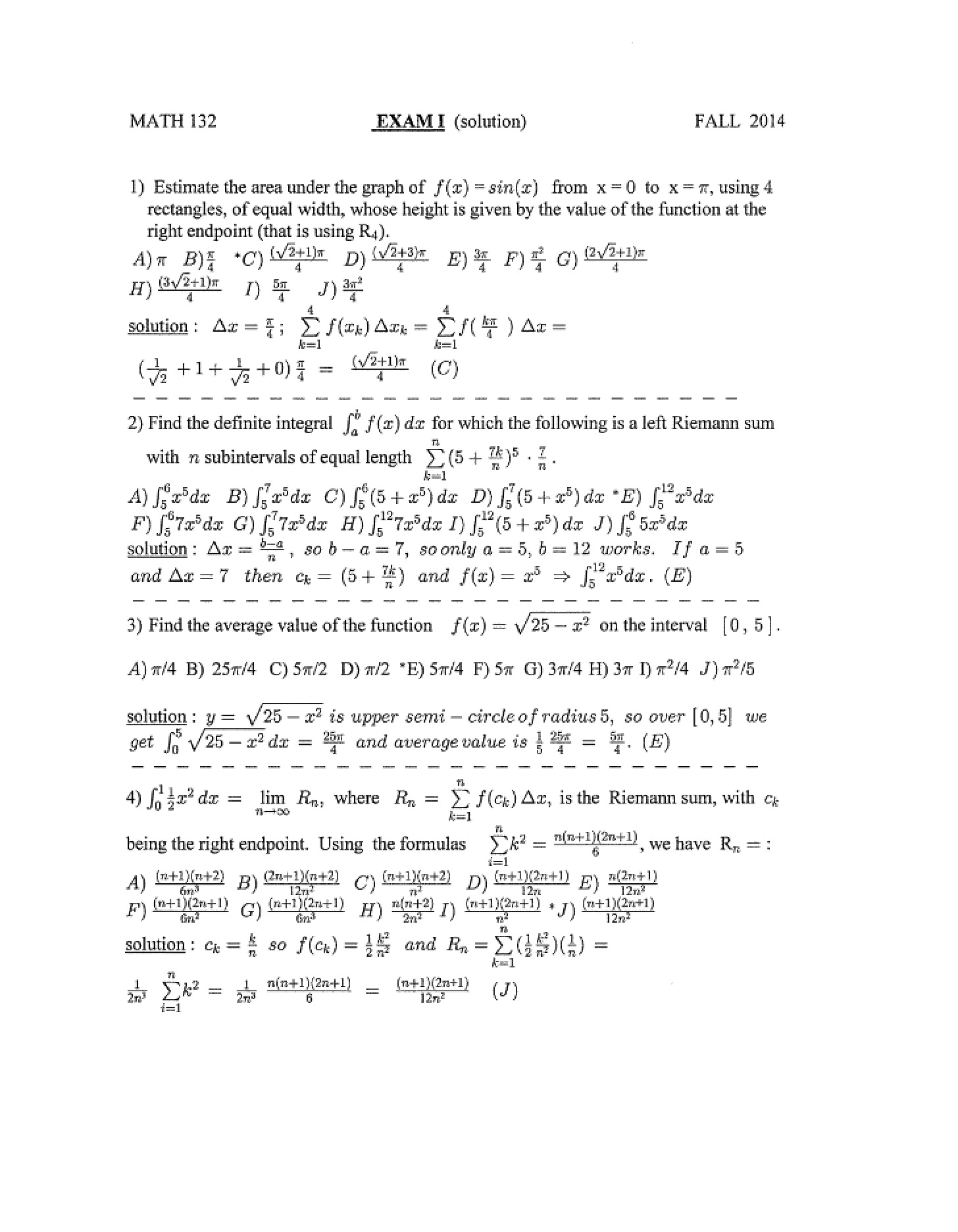
This document contains a fully worked-out solution set for an exam administered in a Calculus II course (MATH 132) at Washington University in St. Louis during the Spring 2009 semester. It’s a detailed, step-by-step breakdown of how to approach and resolve a variety of problems commonly found in second-semester calculus coursework. The document spans seventeen pages and represents a comprehensive review of the assessed material.
Why This Document Matters
This resource is invaluable for students who have already attempted the exam and are looking to understand where they went wrong, or for those preparing for a similar assessment. It’s particularly helpful for identifying common errors and solidifying understanding of core concepts. Students who want to improve their problem-solving skills and deepen their grasp of integration techniques, series, and convergence tests will find this a useful study aid. It’s best used *after* independent problem-solving attempts to maximize learning.
Common Limitations or Challenges
This document focuses *solely* on the solutions to a specific past exam. It does not include explanations of the underlying concepts, lecture notes, or practice problems. It assumes a foundational understanding of Calculus II principles. While the solutions are detailed, they do not offer alternative approaches or varying levels of explanation – it presents *a* solution, not *the only* solution. It will not substitute for attending lectures, completing homework, or actively participating in study groups.
What This Document Provides
* Detailed solutions to fourteen multiple-choice questions.
* Complete responses to two longer-form, free-response questions requiring detailed justifications.
* Illustrative examples of applying calculus techniques to a range of problem types.
* A representation of the expected level of rigor and detail for exam answers in this course.
* Insight into the types of questions and topics emphasized by the instructor.
* A comprehensive overview of the exam’s scope and difficulty.