What This Document Is
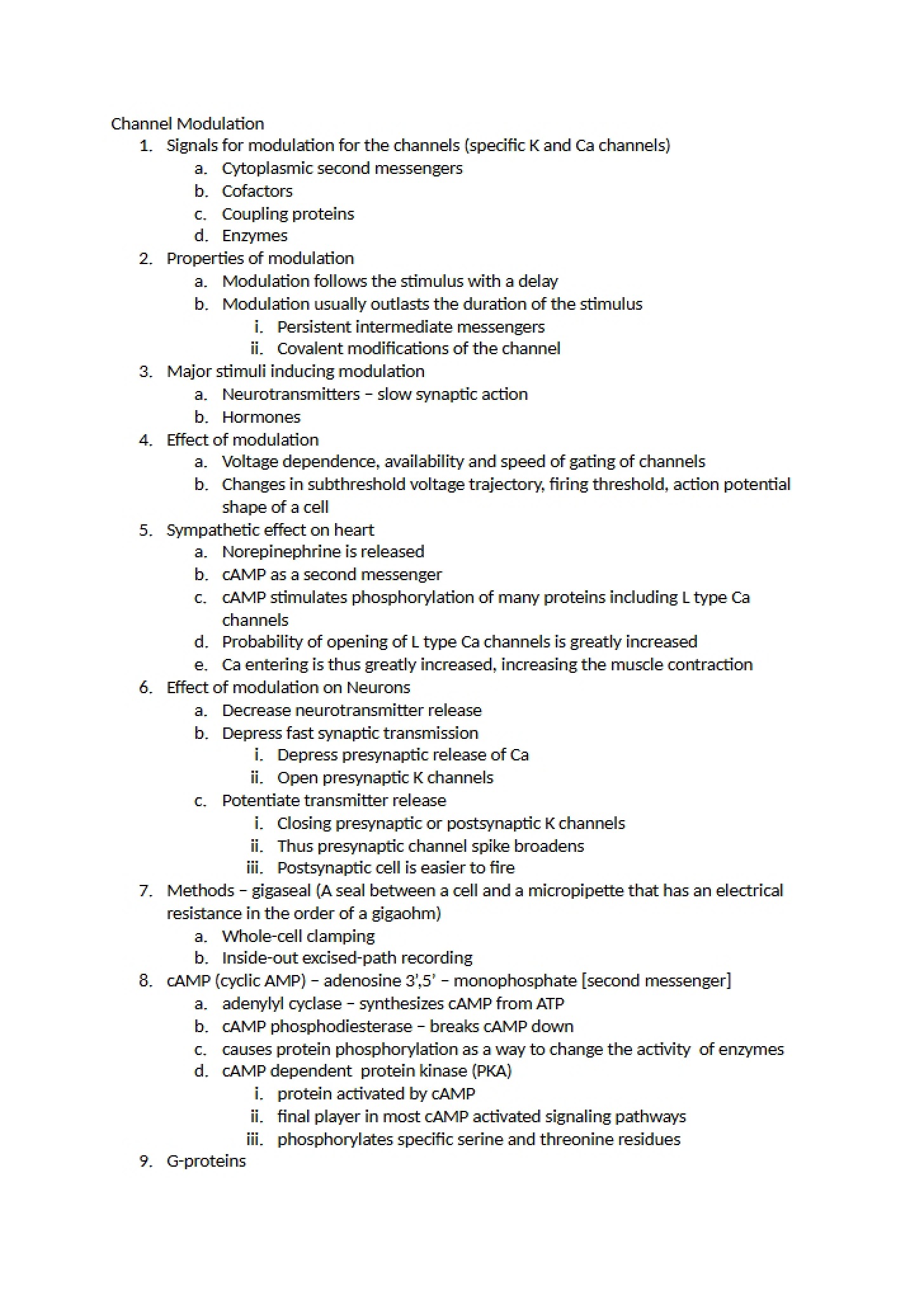
This is a focused exploration of channel modulation and its spatial distribution within the context of cellular neurobiology. It delves into the intricate ways cellular signaling pathways influence the function of ion channels, impacting cellular responsiveness and computational abilities. The material specifically examines these principles as they apply to cardiac pacemaker cells and neurons, providing a comparative look at modulation mechanisms in different cell types. It’s a deep dive into the biophysical basis of cellular excitability and regulation.
Why This Document Matters
This resource is ideal for advanced undergraduate and graduate students in neurobiology, physiology, or related fields. It’s particularly valuable for those seeking a comprehensive understanding of how ion channel activity is dynamically controlled. Students preparing for exams, working on research projects involving electrophysiology, or needing to solidify their grasp of cardiac and neuronal function will find this material exceptionally useful. It’s best utilized *after* establishing a foundational understanding of ion channel biophysics and cellular signaling.
Common Limitations or Challenges
This material concentrates on the *mechanisms* of channel modulation and spatial organization. It does not provide a comprehensive overview of all ion channel types, nor does it cover the full spectrum of diseases linked to channel dysfunction. While cardiac and neuronal examples are used extensively, the principles discussed are not necessarily exhaustive of all cellular contexts. Furthermore, detailed experimental protocols or step-by-step laboratory guides are not included.
What This Document Provides
* An examination of how various signaling molecules impact ion channel properties.
* Detailed comparisons of autonomic regulation of heart rate through channel modulation.
* Illustrations of how specific agonists influence multiple channels simultaneously.
* Analysis of the role of channel-protein complexes in maintaining modulation specificity.
* Exploration of modulation mechanisms involving G-protein coupled receptors and kinases.
* Discussion of the regulation of ‘M current’ in neurons and its functional significance.
* Comparative analysis of modulation in pacemaker cells, highlighting the effects of norepinephrine and acetylcholine.