What This Document Is
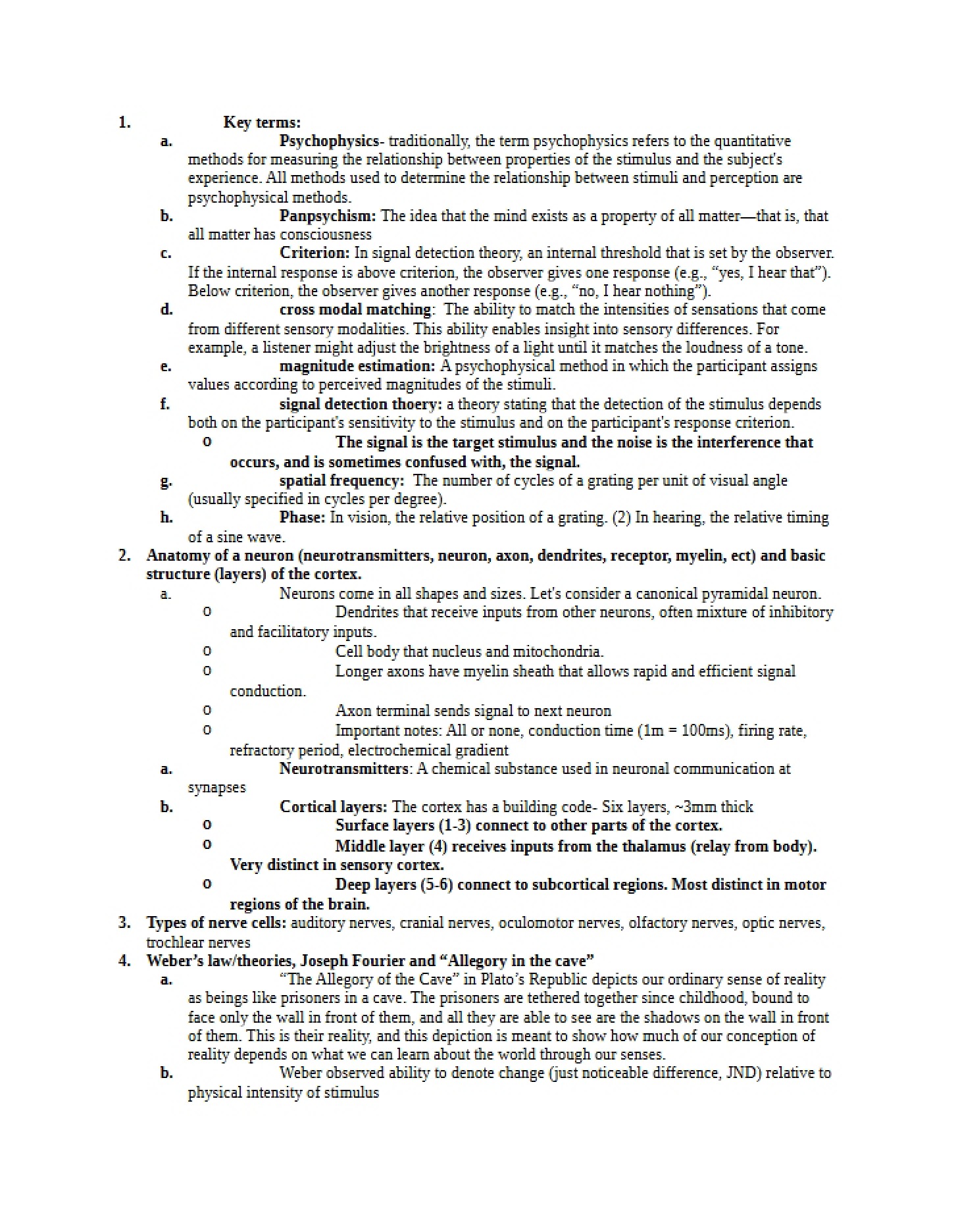
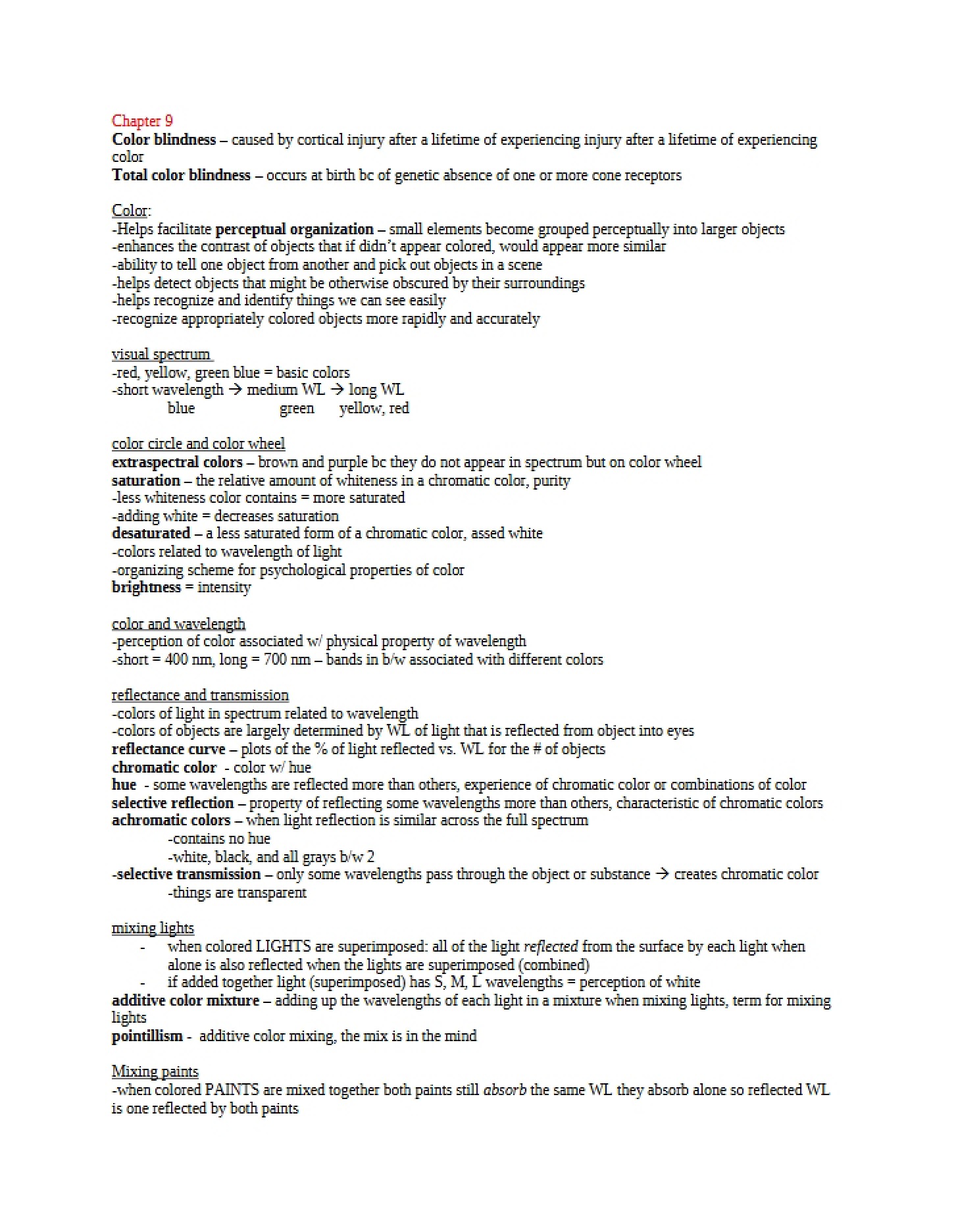
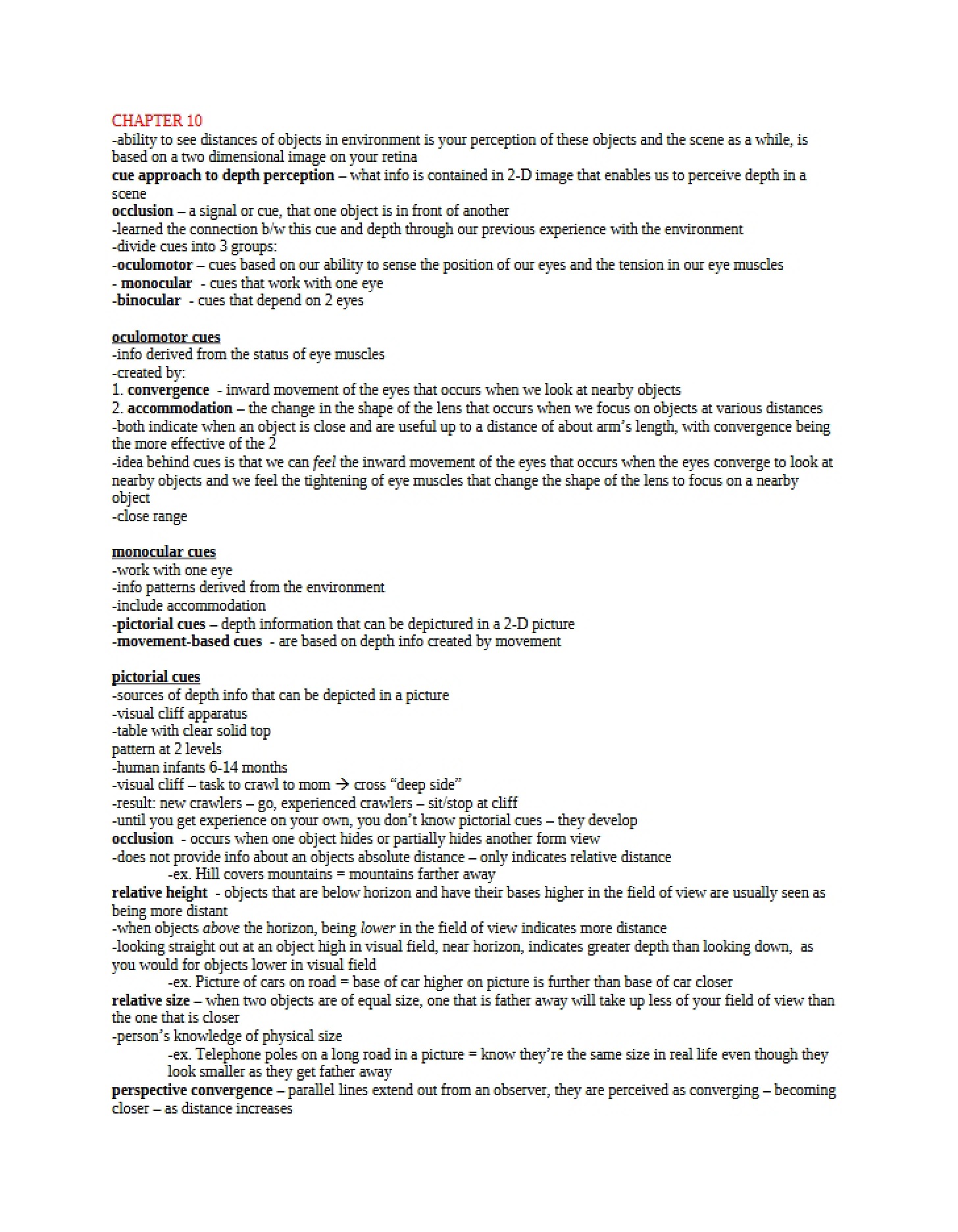
This is a comprehensive study guide designed to support students enrolled in a Sensation & Perception course (PSYC 450 at the University of South Carolina), specifically focusing on the complexities of spatial vision. It delves into the fundamental principles governing how we visually perceive shapes, patterns, and objects in our environment. This guide breaks down core concepts related to visual processing, from the initial stages of retinal input to higher-level cortical analysis.
Why This Document Matters
This resource is ideal for undergraduate psychology students seeking to solidify their understanding of spatial vision. It’s particularly useful when preparing for exams, completing assignments, or simply wanting a deeper grasp of the material covered in Chapter 3 of the course. Students who find themselves struggling with the intricacies of visual pathways, receptive fields, or the neural basis of form perception will find this guide exceptionally helpful. It’s best utilized *alongside* course lectures and assigned readings, acting as a focused review and clarification tool.
Common Limitations or Challenges
This study guide is a focused resource and does not substitute for active participation in the course, including attending lectures and completing all assigned readings. It provides a structured overview of key concepts but does not offer complete coverage of all related topics within spatial vision. Furthermore, it’s designed to *supplement* understanding, not to provide ready-made answers or solutions to problems. It assumes a foundational understanding of basic neuroscience and psychological principles.
What This Document Provides
* A detailed glossary of essential terminology related to spatial vision, including concepts like aliasing, acuity, and spatial frequency.
* An exploration of receptive fields and their role in texture perception.
* Discussion of historical and foundational experiments in the field of spatial vision research.
* An overview of how the visual system processes orientation and movement.
* Key insights into the organization of the visual cortex and its specialized processing capabilities.
* Explanations of concepts like cortical magnification and the function of simple and complex cells.