What This Document Is
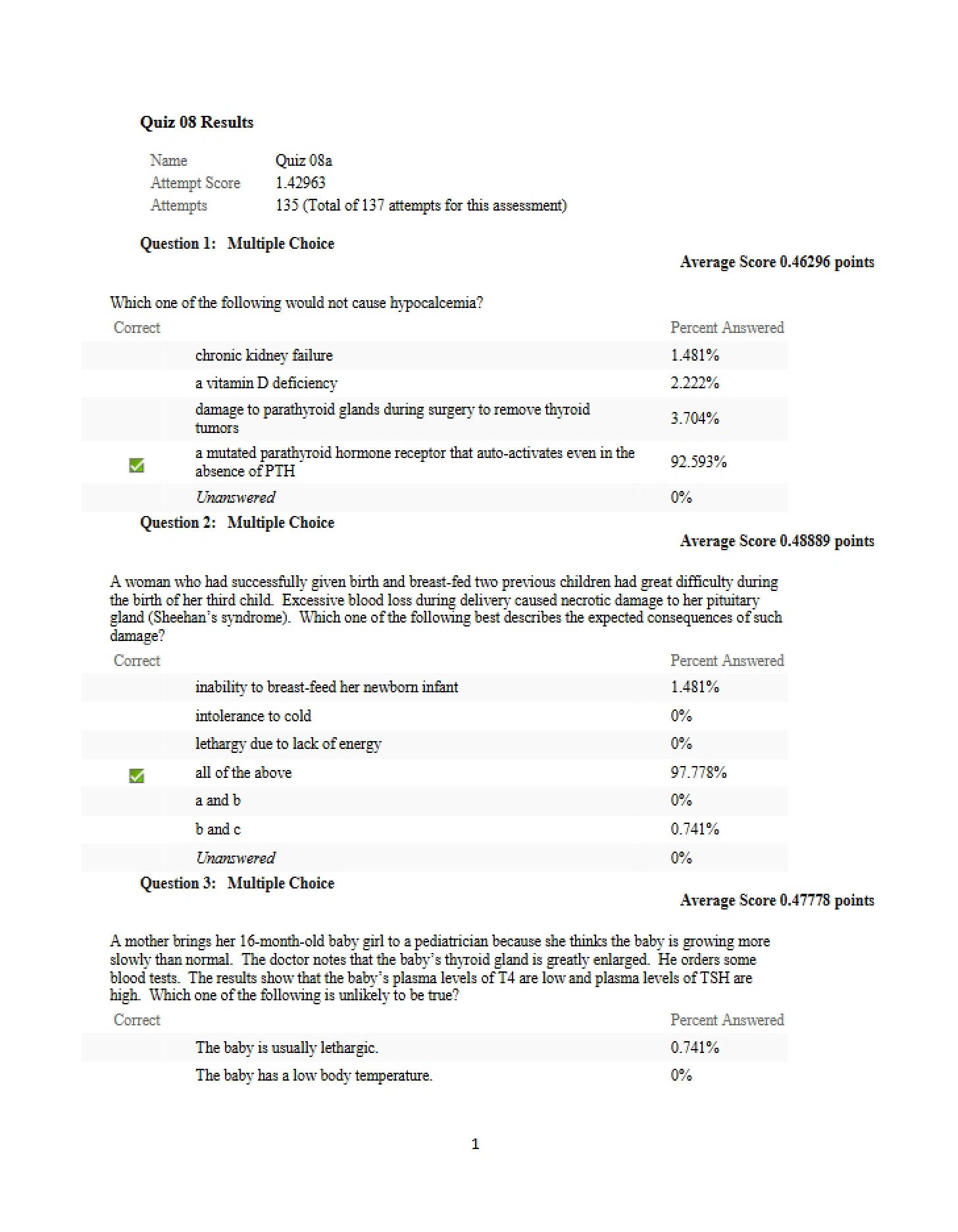
This document is a past exam from a General Physiology course (BISC 307L) at the University of Southern California, specifically Exam One from Spring 2010 (Version B). It’s designed to assess understanding of core physiological principles covered in the early stages of the course. The exam format includes a mix of multiple-choice questions and short-answer prompts requiring application of concepts to clinical scenarios. It’s a valuable resource for students preparing for similar assessments in the same course or related physiology programs.
Why This Document Matters
Students currently enrolled in or preparing for General Physiology courses will find this exam particularly helpful. It provides a realistic glimpse into the types of questions and the level of detail expected by instructors at USC. Utilizing past exams like this one is a proven strategy for identifying knowledge gaps, practicing time management under exam conditions, and familiarizing yourself with the professor’s testing style. It’s best used *after* you’ve engaged with course materials – lectures, readings, and assignments – to gauge your comprehension and pinpoint areas needing further study.
Common Limitations or Challenges
It’s important to remember that this is a past exam and may not perfectly reflect the content or emphasis of the current course iteration. While the fundamental physiological principles remain constant, specific topics covered or the weighting of different concepts might have changed. This resource does not include explanations of correct answers or detailed solutions; it’s a practice tool, not a substitute for understanding the underlying material. Accessing the full document is required to view the questions and formulate your own responses.
What This Document Provides
* A full set of exam questions mirroring the format used in a university-level General Physiology course.
* Questions covering foundational concepts related to osmolarity, cellular transport, and physiological responses to changes in bodily fluids.
* Scenario-based questions requiring application of physiological principles to a clinical context.
* Questions assessing understanding of the function of specific cellular components involved in fluid and electrolyte balance.
* An indication of the point value assigned to each question, reflecting the relative importance of different topics.