What This Document Is
This document provides a focused exploration of the Stack data structure, a fundamental concept in computer science. Developed for students in CSE 2221 at the University of California, Los Angeles, it delves into the theoretical underpinnings and practical considerations of stack implementation. It’s designed to build a strong understanding of how stacks function as a core component in algorithm design and software development. The material presents a formal treatment of stacks, suitable for those seeking a rigorous understanding of the topic.
Why This Document Matters
This resource is invaluable for students currently enrolled in a data structures and algorithms course, particularly those needing a detailed reference for stack operations. It’s also beneficial for anyone preparing to implement stacks in their own projects or seeking to solidify their understanding of abstract data types. Understanding stacks is crucial for grasping more complex concepts like recursion, expression evaluation, and function call management. If you’re encountering challenges with stack-related assignments or want a deeper dive beyond lecture materials, this document can be a significant aid.
Topics Covered
* Stack Fundamentals: Exploring the core principles of Last-In, First-Out (LIFO) behavior.
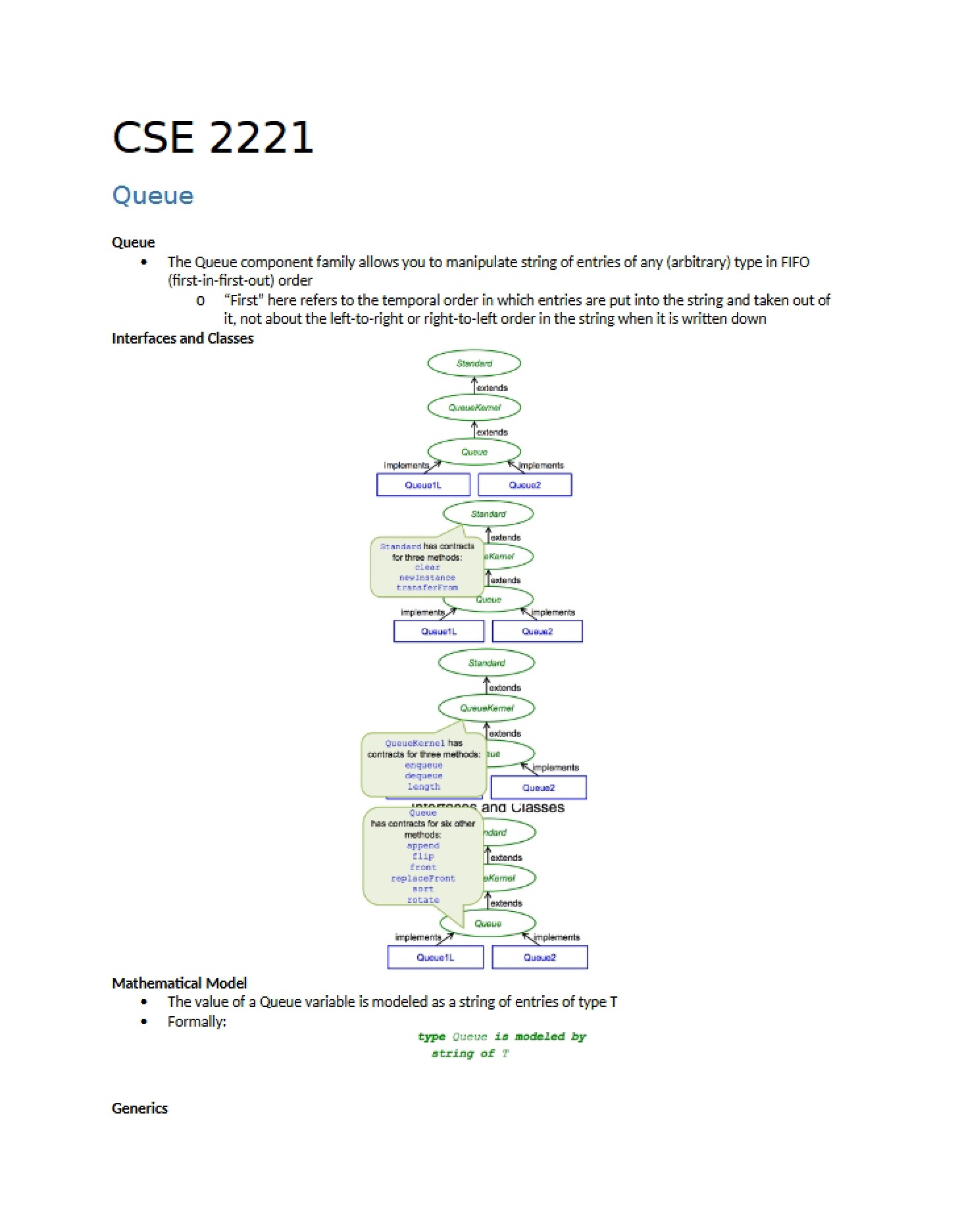
* Interface Specifications: Examining the contracts and expected behavior of stack components.
* Kernel Methods: Investigating the essential operations that define a stack’s functionality.
* Mathematical Modeling: Understanding the formal representation of stacks.
* Stack Operations: Detailed consideration of methods like push, pop, length, top, replaceTop, and flip.
* Pre- and Post-Conditions: Analyzing the requirements and guarantees associated with each stack method.
What This Document Provides
* Formal Definitions: Precise descriptions of stack behavior and properties.
* Method Specifications: Detailed outlines of each stack method, including parameters and return values.
* Operational Contracts: Clear statements of what each method accomplishes and how it modifies the stack.
* Conceptual Framework: A structured approach to understanding the stack data structure.
* Detailed Method Analysis: In-depth examination of individual stack operations and their implications.