What This Document Is
This resource offers a comprehensive overview of the criminal justice system, designed for students new to the field. It breaks down the complex processes involved in responding to and addressing criminal behavior, providing a foundational understanding of how the system functions from start to finish. It’s a structured exploration of the key phases a case progresses through, offering a detailed look at the roles of various actors within the system.
Why This Document Matters
This is an essential resource for students enrolled in introductory criminal justice courses, particularly those seeking to grasp the sequential nature of legal proceedings. It’s beneficial for anyone preparing for discussions, quizzes, or exams on the core components of the justice system. Understanding these stages is crucial for analyzing real-world cases and developing informed opinions on criminal justice policy. It’s particularly helpful when first encountering the terminology and procedures inherent in the field.
Topics Covered
* The definition and core components of the Criminal Justice System
* The role of law enforcement as initial points of contact
* Investigative processes and the establishment of legal grounds for action
* Procedures surrounding apprehension and legal detention
* The process of formal accusation and charging decisions
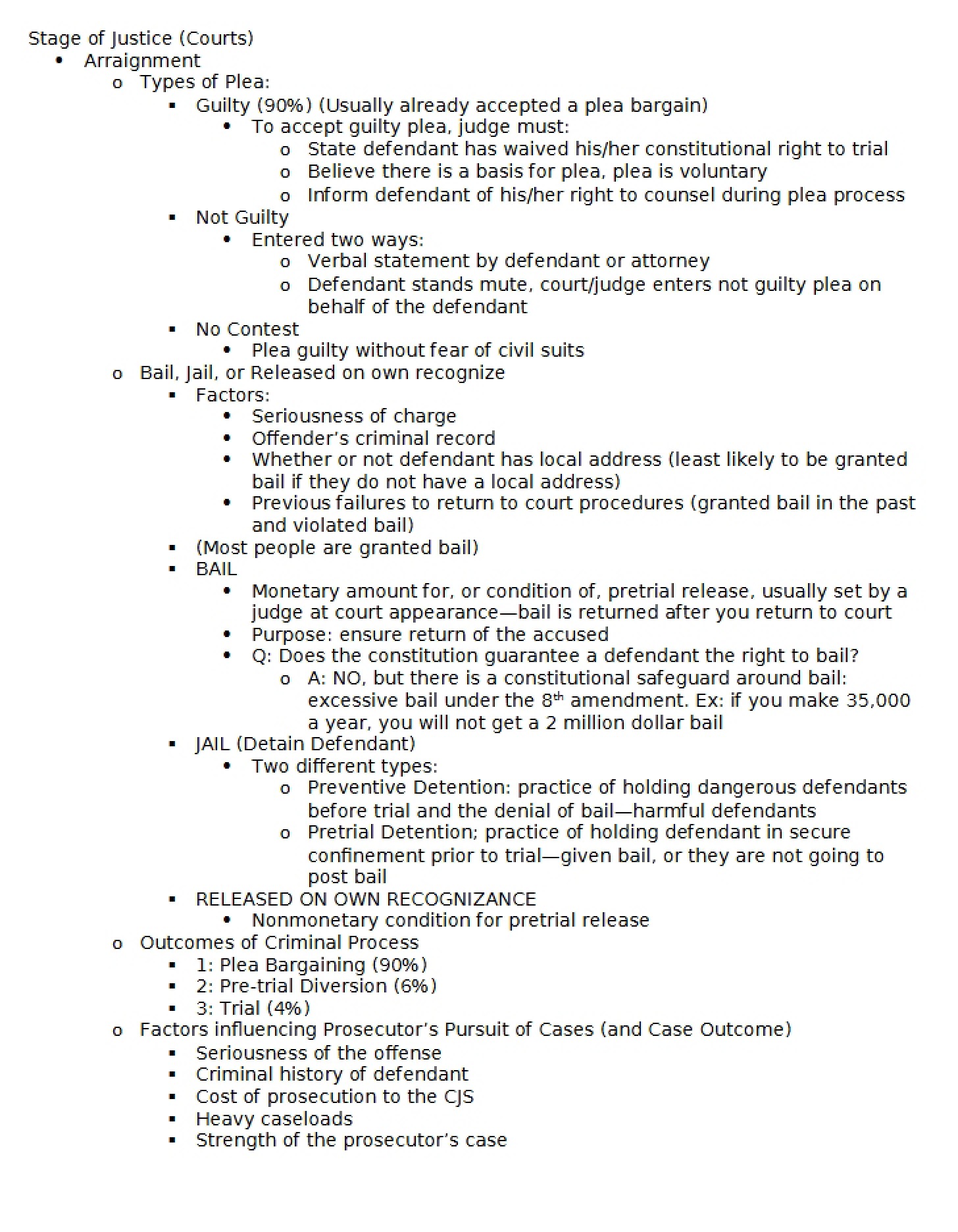
* Initial court appearances and considerations for release
* Methods for establishing sufficient evidence for prosecution
* Stages leading up to and including formal court proceedings
* Outcomes following adjudication
What This Document Provides
* A clear delineation of the various stages within the criminal justice process.
* An examination of the responsibilities of key personnel at each stage.
* A framework for understanding the flow of a case from initial contact to final resolution.
* An overview of critical decision points and processes within the system.
* A foundational understanding of legal terminology related to criminal justice procedures.