What This Document Is
This document comprises comprehensive course notes for STAT 301, Introduction to Statistical Methods, at the University of Wisconsin-Madison. It appears to be a detailed compilation of lecture material, course policies, and logistical information provided by Professor Wardrop. The notes are closely tied to an accompanying course website, serving as a central resource for students throughout the semester. It covers essential aspects of navigating the course, understanding assessment, and accessing supplementary materials.
Why This Document Matters
These course notes are invaluable for students enrolled in STAT 301. They are designed to be a primary study aid, helping you stay organized and informed about course expectations. Refer to these notes for clarification on grading criteria, important dates (like exam schedules and assignment deadlines), and available resources. They are particularly useful for proactively addressing questions about course logistics and ensuring you are fully prepared for lectures and assessments. Students who consistently review these notes alongside attending lectures will likely have a stronger grasp of the course material.
Common Limitations or Challenges
While these notes are extensive, they are not a substitute for attending lectures or actively engaging with the course material. The notes serve as a *supplement* to the learning process, not a replacement for it. They do not contain worked examples or detailed explanations of statistical concepts themselves – those are likely covered in lectures and other assigned readings. Furthermore, the notes frequently reference the course website for additional details, meaning full comprehension requires access to both resources.
What This Document Provides
* A detailed course calendar outlining key dates and deadlines.
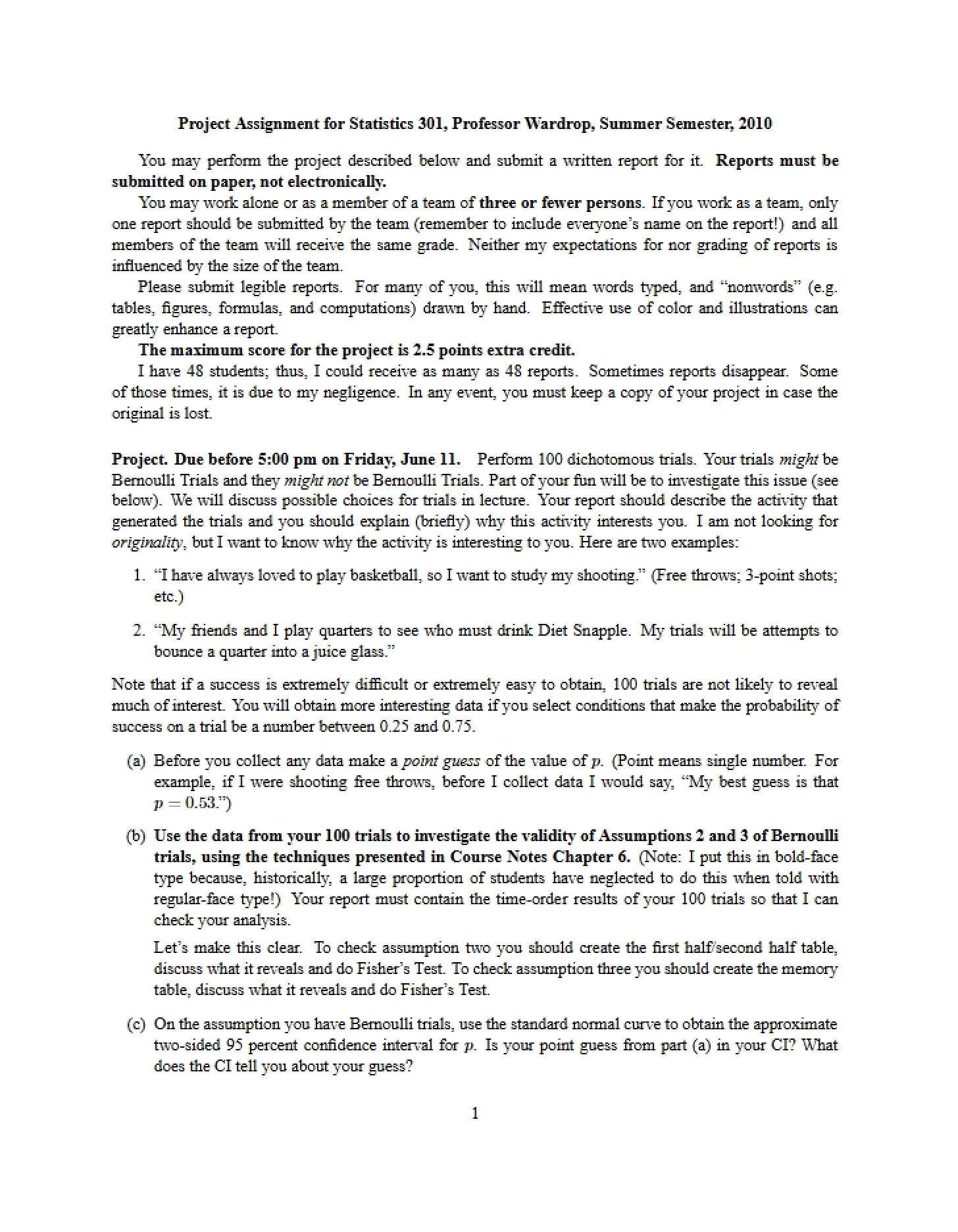
* Information regarding assessment components, including exams and projects.
* Policies related to course enrollment, discussion sections, and grading.
* Guidance on accessing supplementary materials like practice questions and data tables.
* Clarification on homework submission procedures and grading policies.
* Information regarding available resources such as model projects and study guides.
* Important administrative details, including expectations for classroom conduct.