What This Document Is
This document serves as a foundational resource for an introductory statistics course, specifically tailored for students in the behavioral and social sciences. It systematically explores the core principles of probability and its application to understanding data. The material builds from basic definitions to more complex relationships between events, offering a comprehensive overview of statistical reasoning. It appears to be a set of lecture notes or a course companion designed to support learning in a university setting.
Why This Document Matters
This resource is invaluable for students beginning their journey into statistical analysis. It’s particularly helpful for those needing a solid grasp of probability concepts *before* tackling more advanced statistical methods. Psychology, sociology, and other related disciplines rely heavily on statistical interpretation, making this a crucial building block for future coursework and research. Students preparing for assessments, or seeking to reinforce lecture material, will find this a useful reference point. It’s best utilized alongside active participation in a statistics course and consistent practice.
Common Limitations or Challenges
While this document provides a strong theoretical foundation, it does not offer step-by-step calculations or worked examples. It focuses on *understanding* the underlying logic of probability rather than providing a “how-to” guide for statistical software or problem-solving. It also assumes a basic level of mathematical literacy. Access to additional practice problems and real-world data sets will be necessary to fully develop practical statistical skills.
What This Document Provides
* A detailed exploration of fundamental probability concepts.
* Definitions and explanations of key terms like mutually exclusive and independent events.
* Visual representations to aid understanding of event relationships.
* Discussions of conditional probability and its implications.
* An introduction to tools for visualizing probabilistic relationships.
* Formulas relating to event intersections and unions.
* An overview of the Law of Total Probabilities and Bayes’ Theorem.
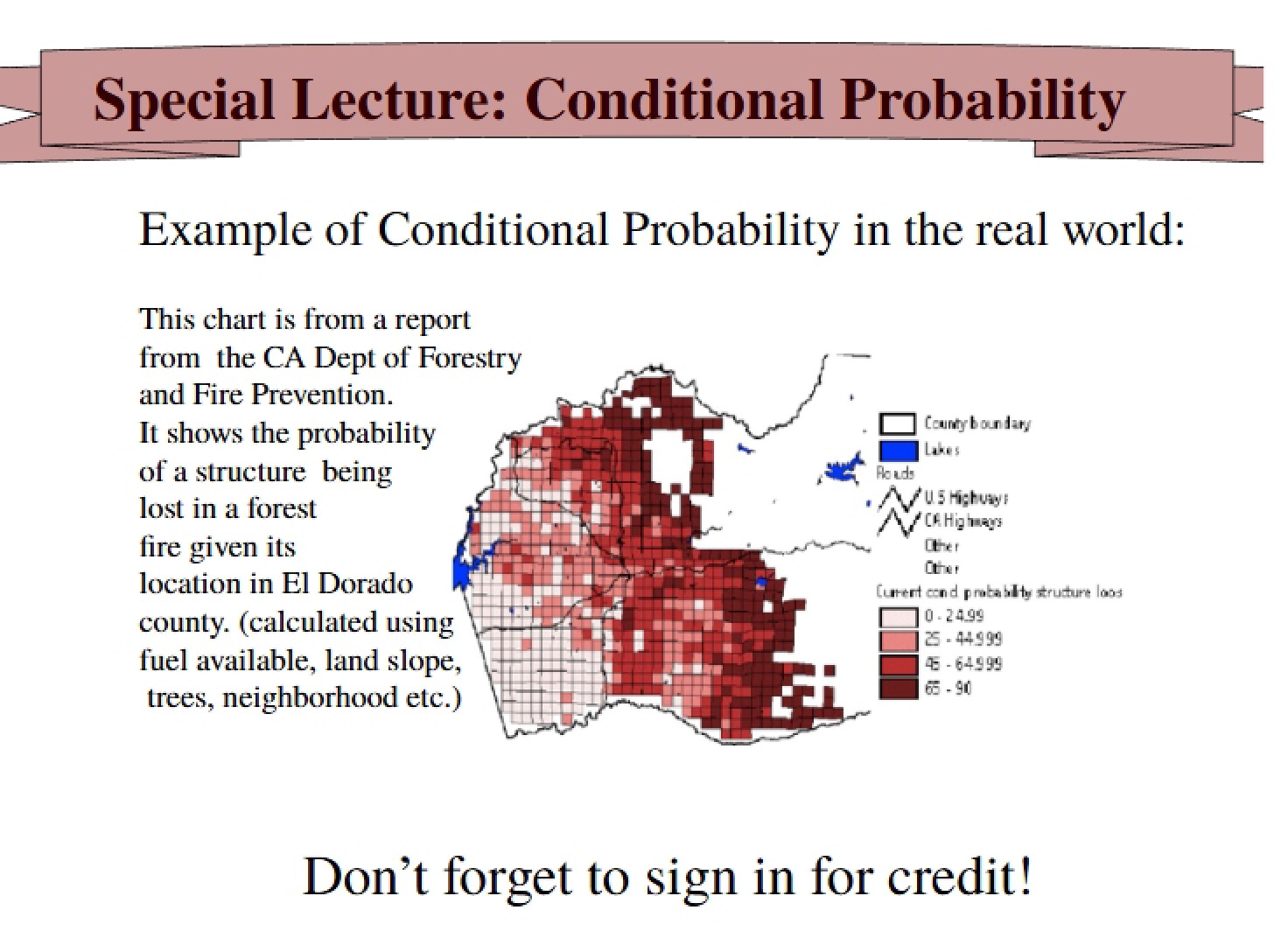
* Considerations for interpreting statistical results in a real-world context.