What This Document Is
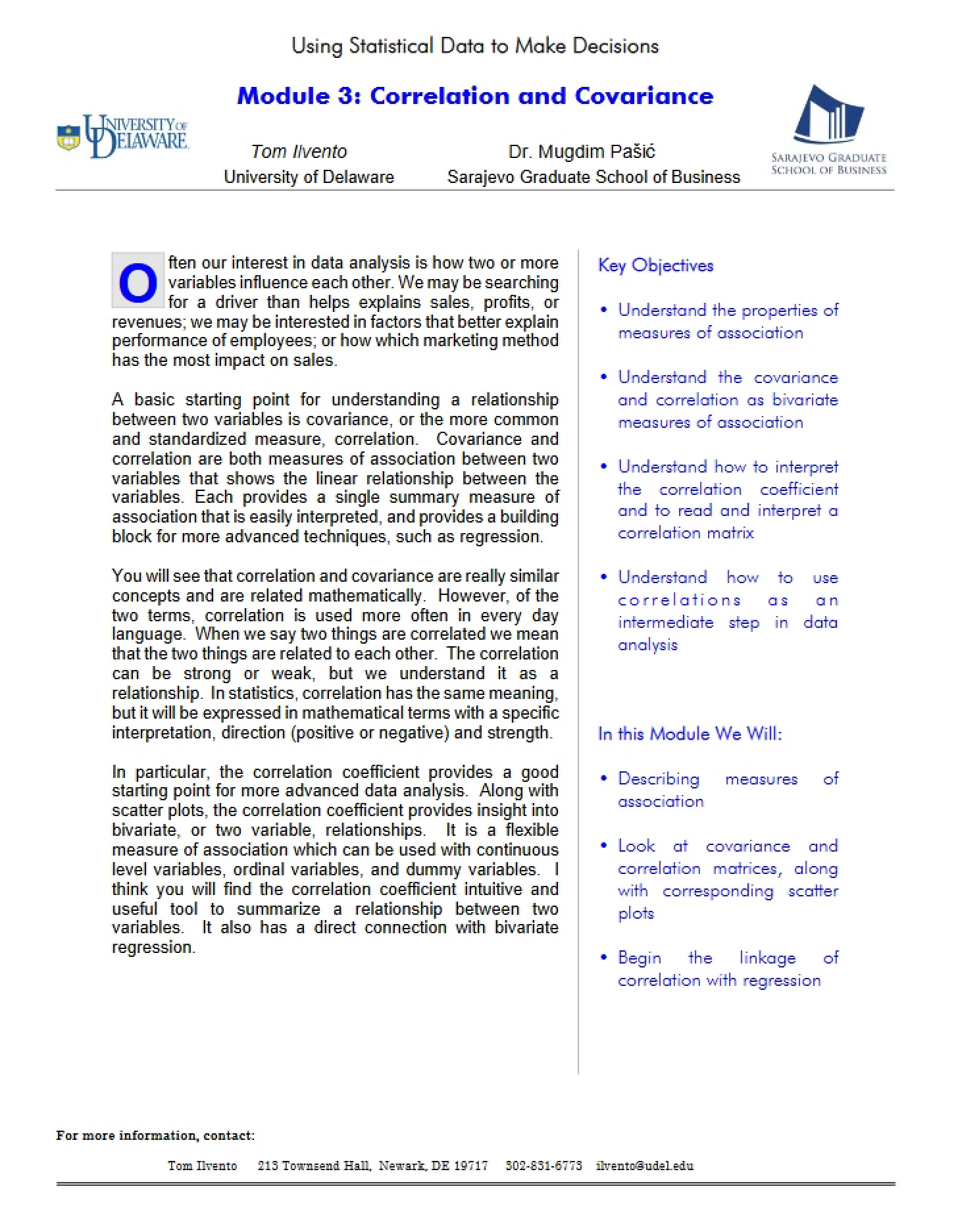
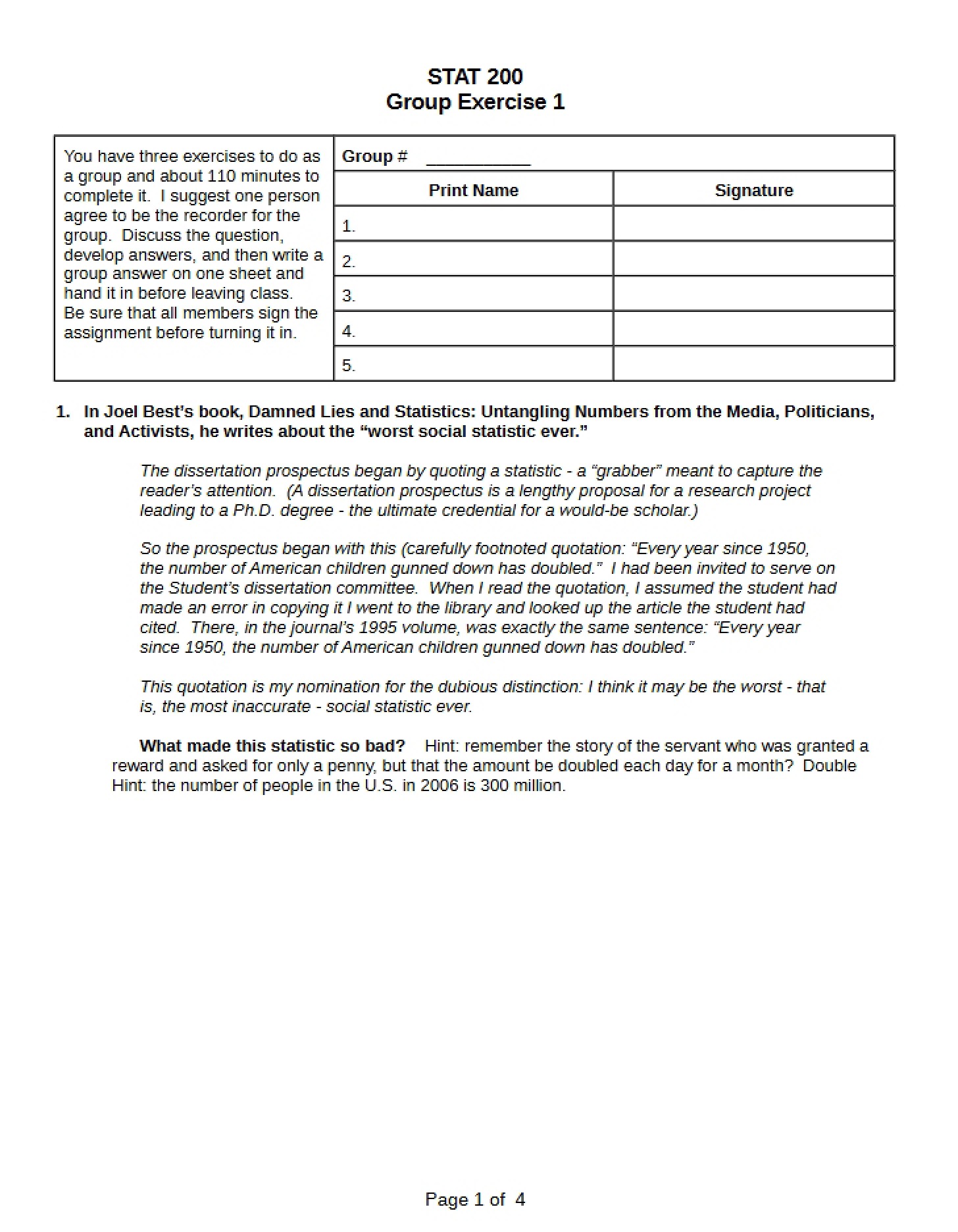
This document serves as an introductory exploration into the foundational principles of statistical data analysis within a business context. It’s designed to establish a core understanding of statistics – not merely as a collection of formulas, but as a vital way of thinking about and interpreting information. The material lays the groundwork for more advanced techniques used in business decision-making and research. It’s part of a larger course focused on applying statistical methods to real-world business challenges.
Why This Document Matters
This resource is particularly valuable for students beginning their journey into statistical data analysis, especially those in business-related fields. It’s ideal for anyone seeking to build a solid conceptual base before diving into complex calculations and software applications. Professionals looking to refresh their understanding of statistical fundamentals or gain a new perspective on data-driven decision making will also find it beneficial. Understanding these core concepts is crucial for effectively interpreting data reports and contributing to informed business strategies.
Topics Covered
* The fundamental definition and scope of statistics as both a discipline and a toolkit.
* Distinguishing between descriptive and inferential statistical approaches.
* The application of statistical thinking across various fields, including business, economics, and the sciences.
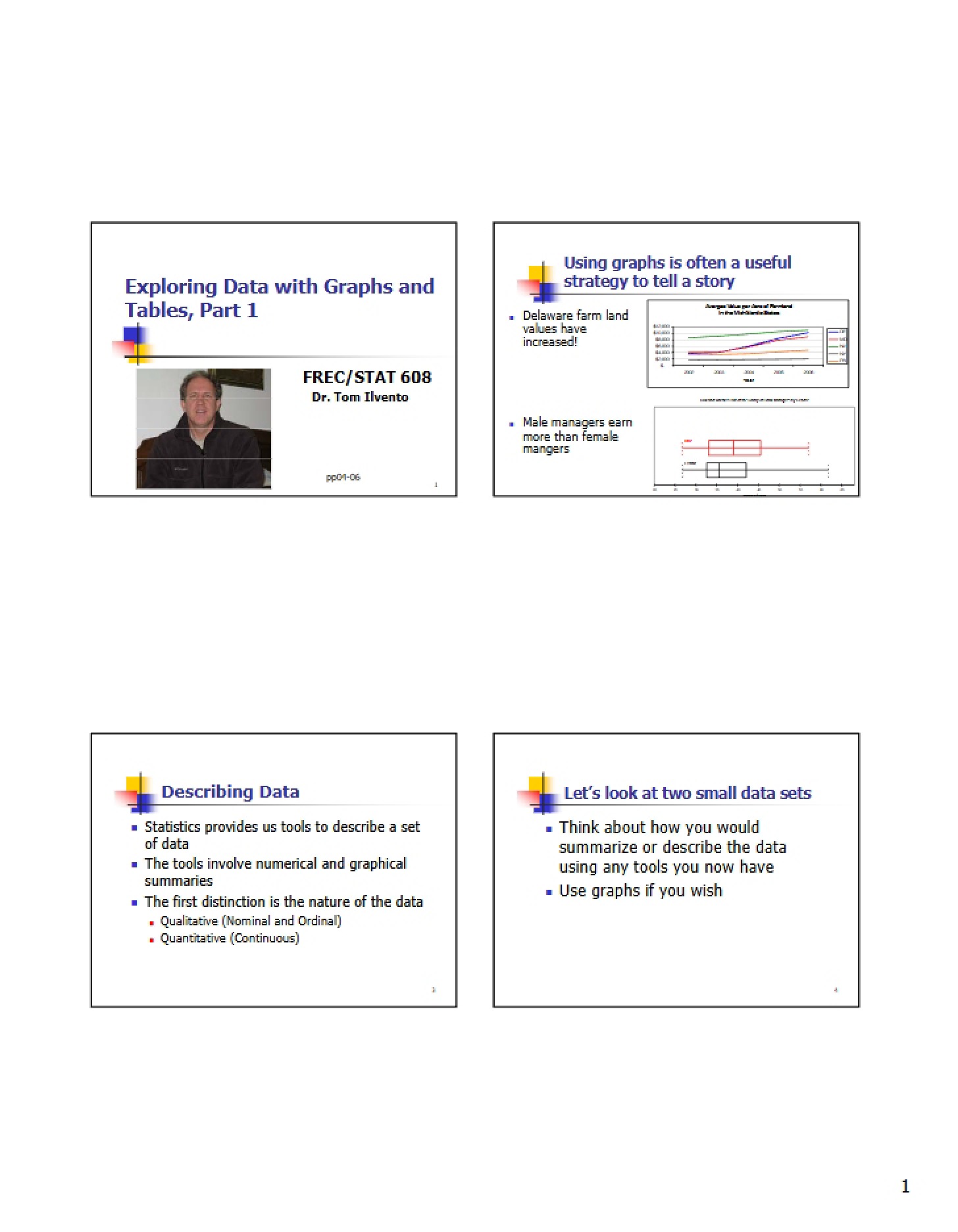
* Methods for collecting, organizing, and summarizing data.
* The role of statistics in research, evaluation, risk assessment, and decision-making processes.
* Introduction to representing data through summary statistics and graphical methods.
* Exploring relationships between variables using descriptive techniques.
* The principles of making generalizations about larger populations based on sample data.
What This Document Provides
* An overview of the core concepts underpinning statistical analysis.
* A framework for understanding how statistics are utilized in diverse professional settings.
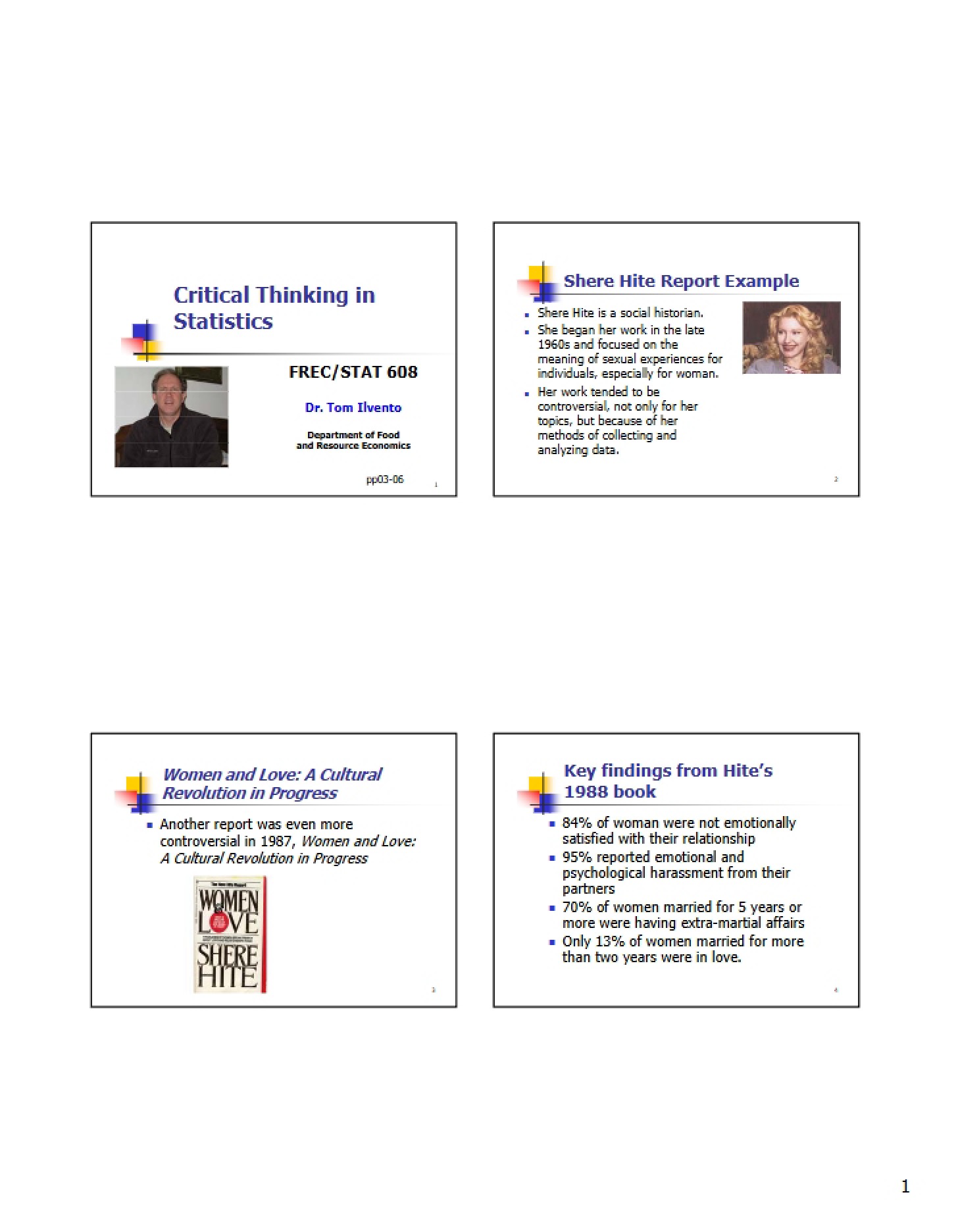
* Discussion of the importance of accurately interpreting statistical findings.
* Examples illustrating the practical relevance of statistical methods.
* A foundation for further study in more specialized areas of statistical data analysis.
* Initial exploration of how statistical techniques can be used to analyze relationships between variables.