What This Document Is
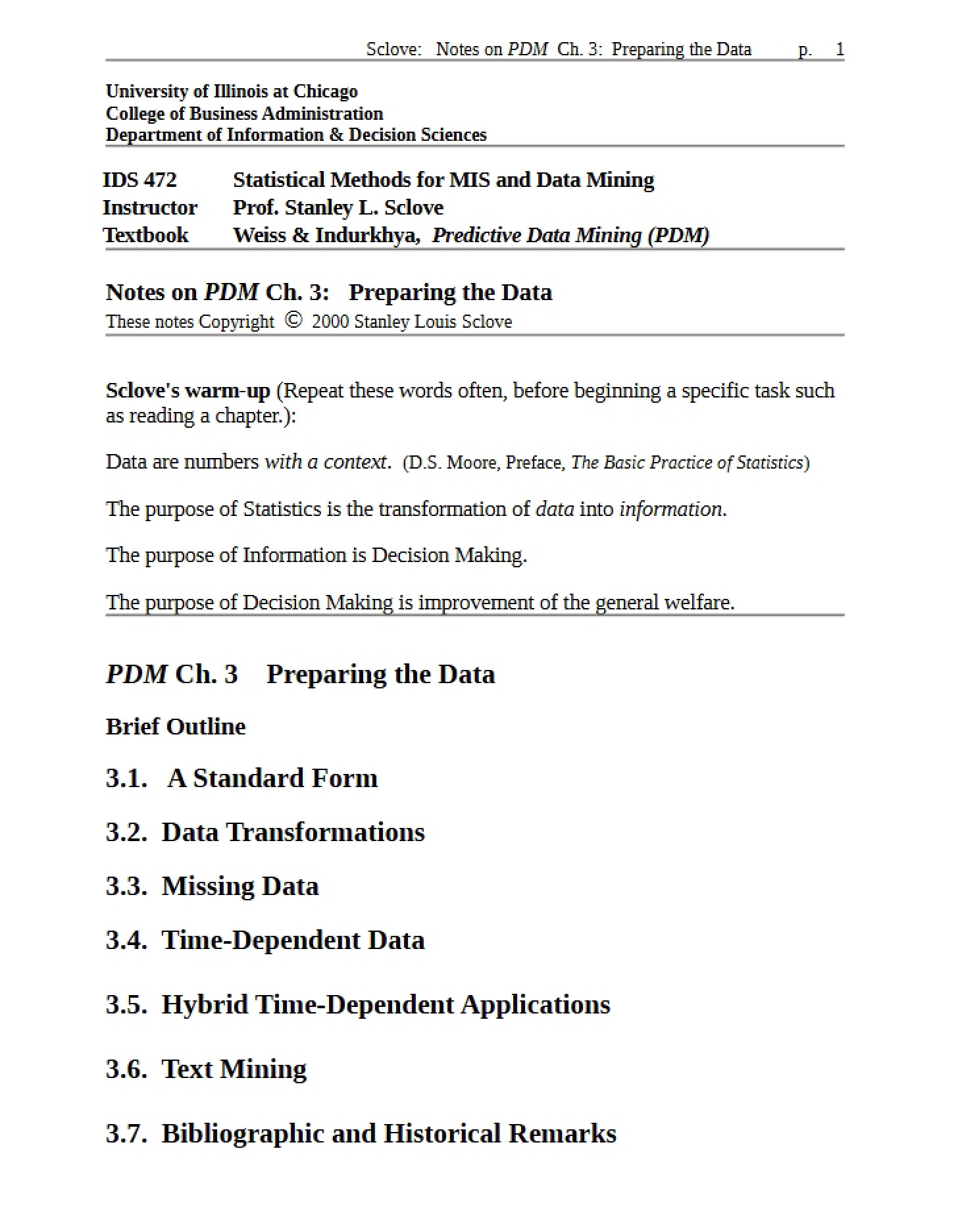
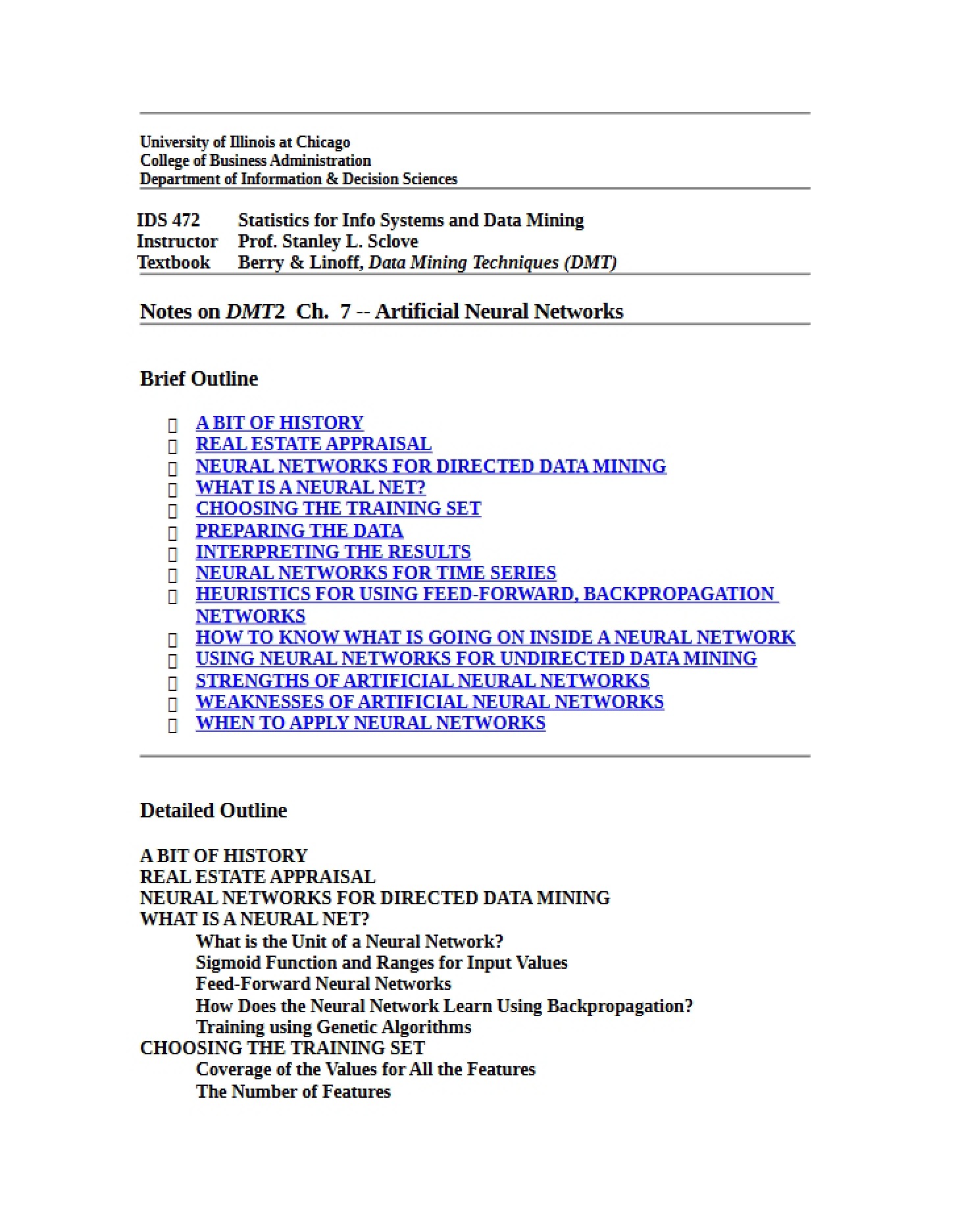
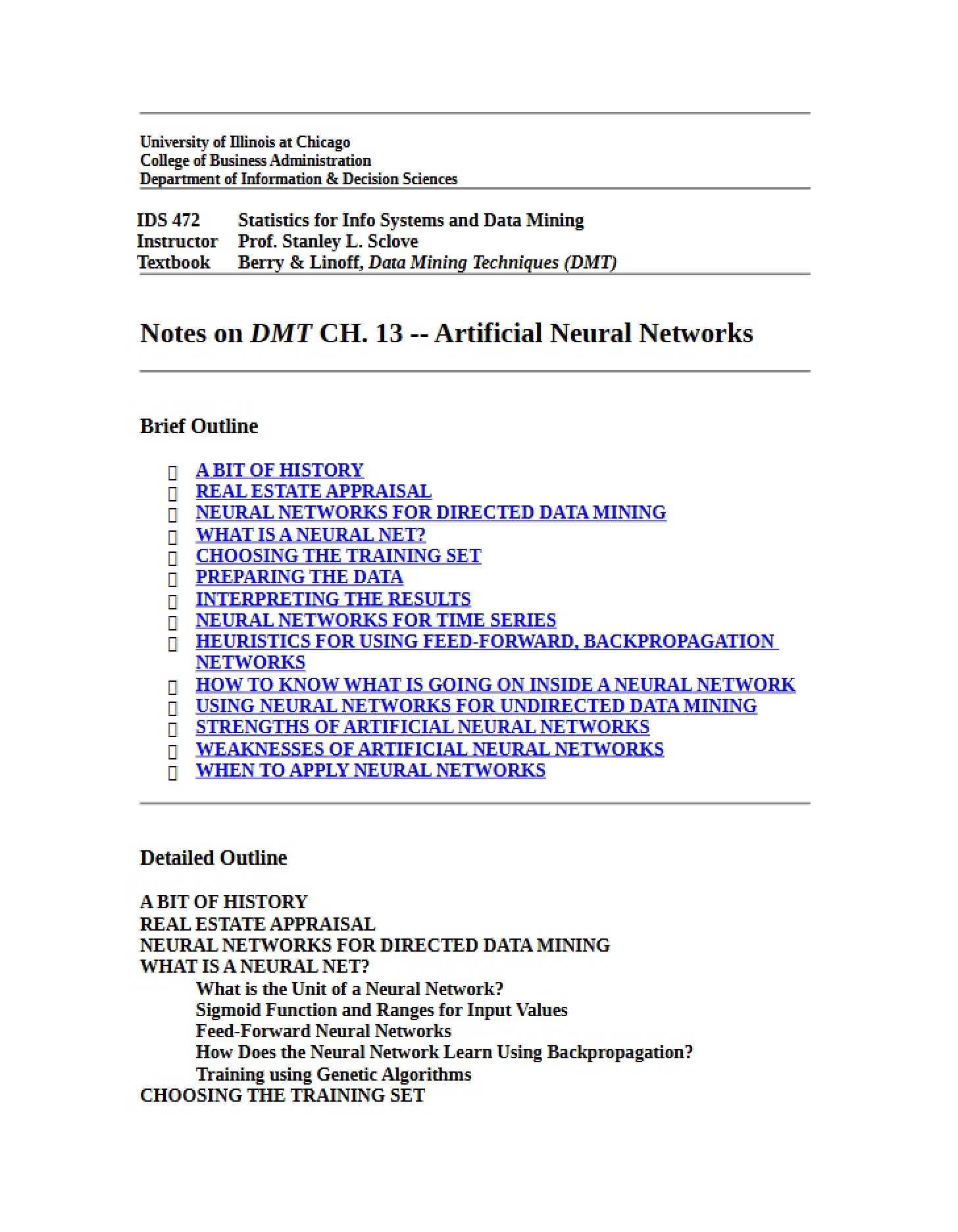
This study guide provides a focused exploration of statistical techniques essential for advanced work in Information Systems and Data Mining. Specifically, it delves into the realm of Structural Equation Modeling (SEM) and Path Analysis – powerful methods for understanding complex relationships between variables. It’s designed to supplement coursework in IDS 472 at the University of Illinois at Chicago, offering a deeper understanding of statistical concepts beyond standard regression.
Why This Document Matters
Students enrolled in data mining or advanced statistics courses will find this resource particularly valuable. It’s ideal for those seeking to move beyond descriptive statistics and correlation, and begin modeling potential causal relationships. Researchers and analysts needing to validate theoretical models with empirical data will also benefit from the concepts presented. This guide is most useful when you’re ready to apply sophisticated statistical methods to real-world business problems and interpret the results with nuance.
Topics Covered
* The fundamental principles of Structural Equation Modeling (SEM)
* Distinction between observed and unobserved (latent) variables
* Path Analysis as a method for exploring causal pathways
* Modeling interdependent relationships between multiple variables
* The role of measurement error in statistical modeling
* Constructs and indicators within SEM frameworks
* Applications of SEM in business contexts, such as customer and employee satisfaction
What This Document Provides
* A clear introduction to the core concepts of SEM and Path Analysis.
* An overview of how SEM builds upon and extends traditional statistical methods like multiple regression.
* Discussion of the theoretical underpinnings of modeling constructs and their indicators.
* Illustrative examples demonstrating the application of SEM principles.
* A curated list of references for further exploration of the topic.