What This Document Is
This material offers a foundational exploration of stress, a core concept within the field of Solid Mechanics (EGM 3601 at the University of Central Florida). It represents the first chapter in a comprehensive series, designed to build a strong understanding of how forces impact solid materials. This isn’t simply a definition list; it’s a detailed introduction to the various types of stress and their fundamental characteristics. It lays the groundwork for more complex analyses encountered later in the course.
Why This Document Matters
This resource is essential for students enrolled in Solid Mechanics or related engineering disciplines. It’s particularly valuable when first encountering the concept of stress and needing a clear, structured introduction. Use this material to solidify your understanding *before* tackling problem sets or more advanced topics like strain, deformation, and material failure. It’s ideal for review during exam preparation, helping you recall the fundamental principles that underpin structural analysis.
Topics Covered
* Fundamental definition of stress and its relationship to force and area.
* Different types of stress – including normal stress (tensile and compressive) and shear stress.
* Concepts related to stress acting on various planes and orientations.
* Introduction to the idea of stress sections and their importance in analysis.
* Considerations for homogenous and isotropic materials.
* Basic understanding of force application and resulting stress distributions.
What This Document Provides
* Clear distinctions between different stress types, setting the stage for more complex calculations.
* A foundational understanding of how stress is conceptually represented.
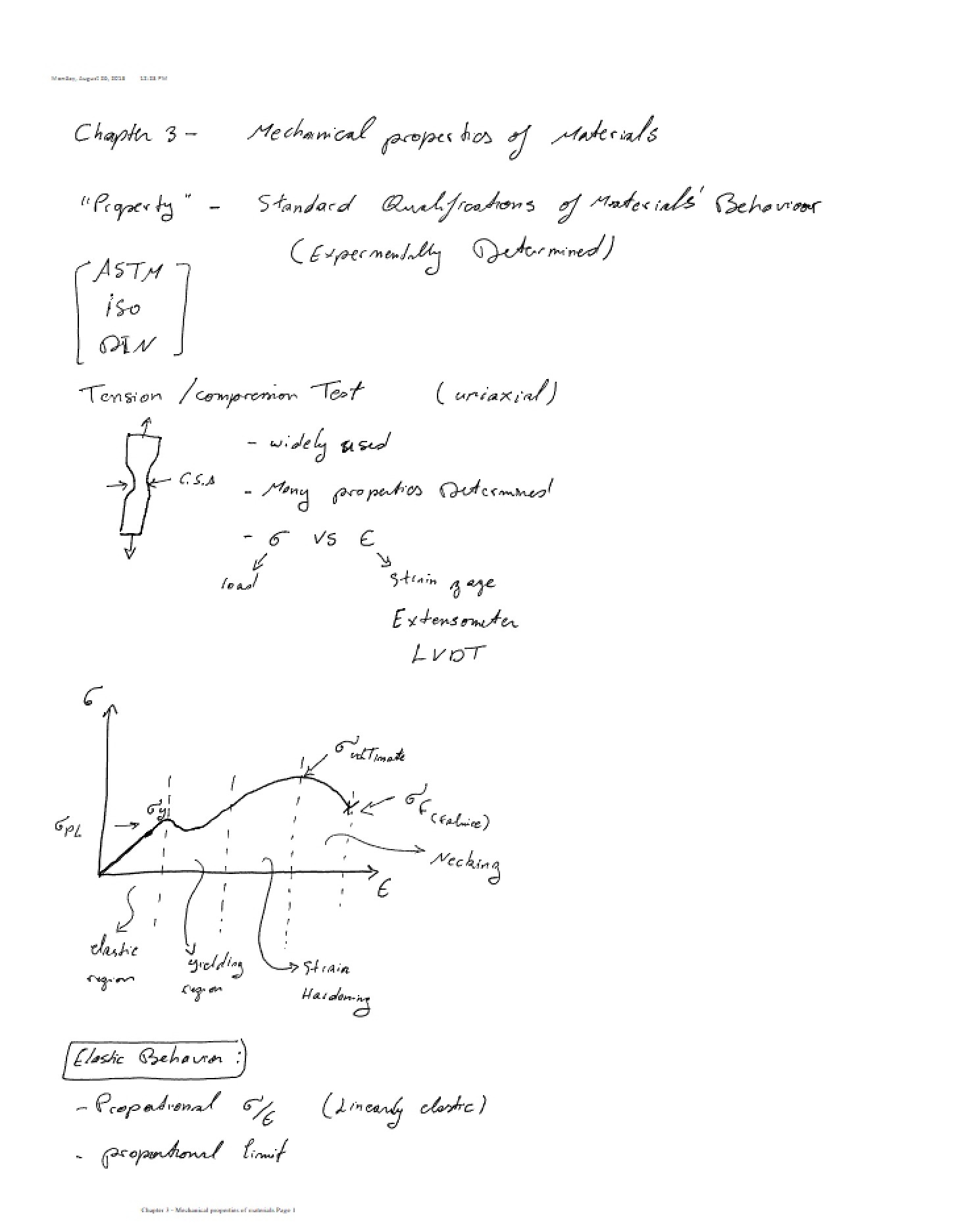
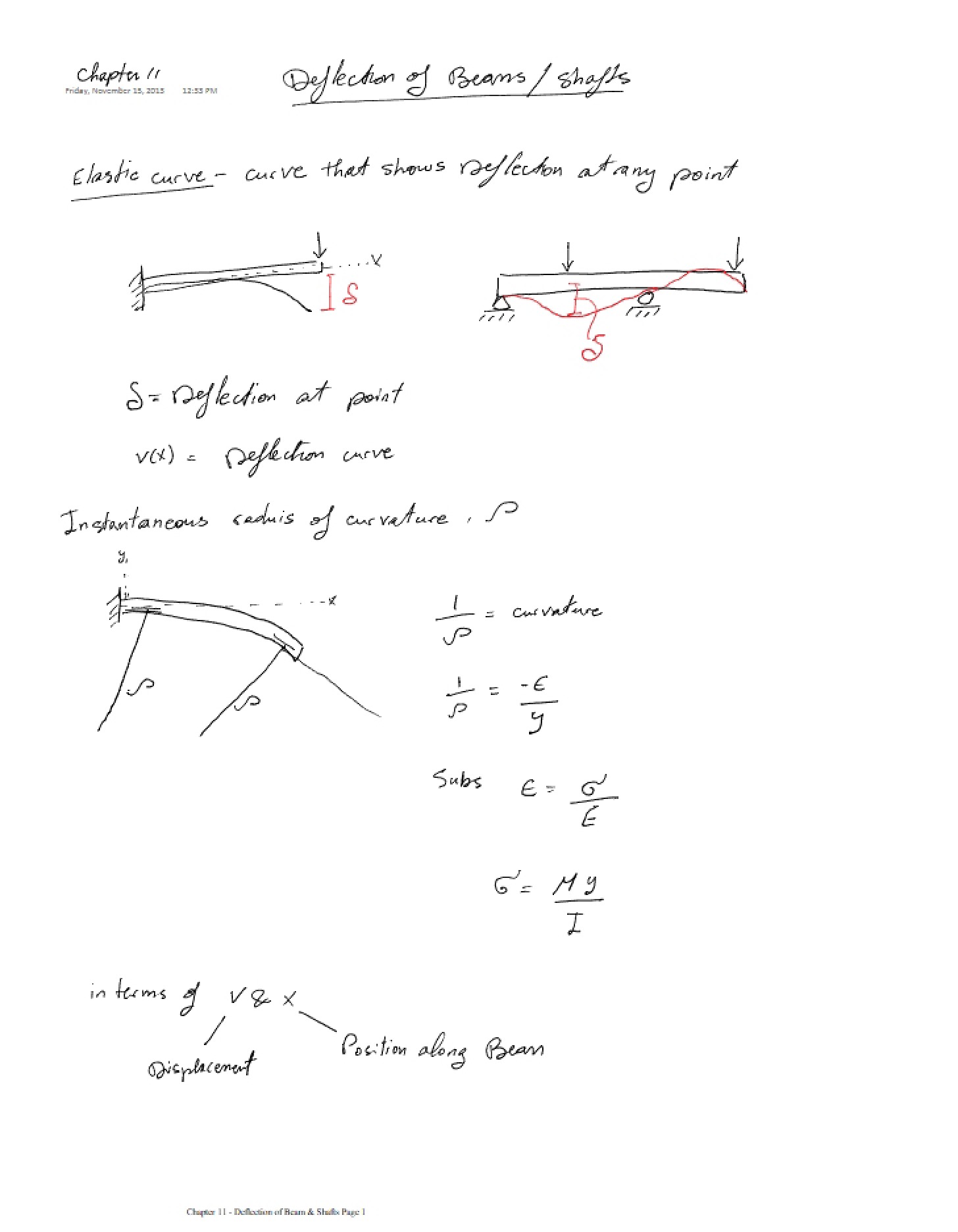
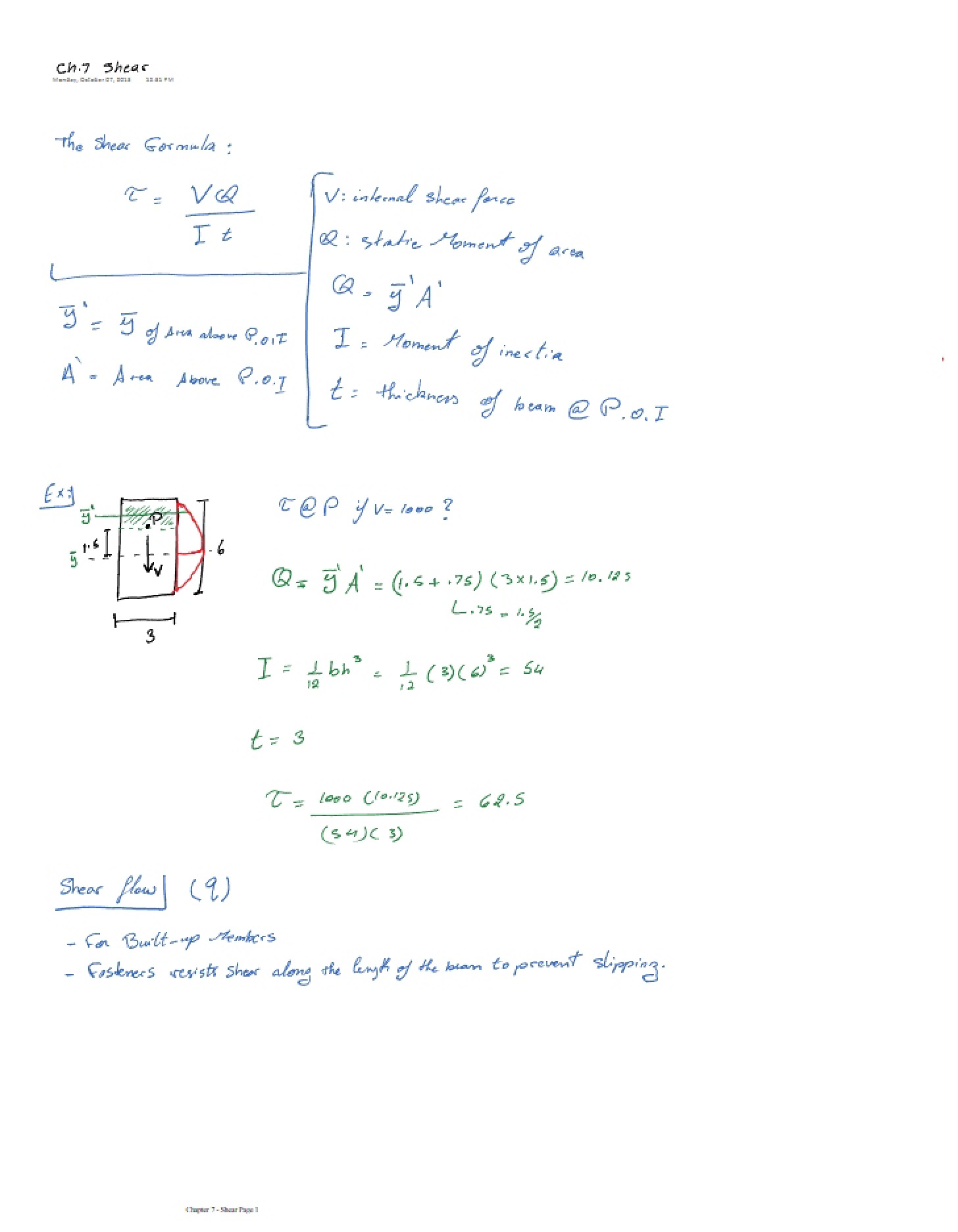
* Illustrative diagrams to aid in visualizing stress application and direction.
* A structured approach to understanding the relationship between external forces and internal stresses within a solid body.
* A starting point for developing a strong intuition about material behavior under load.