What This Document Is
This resource is a comprehensive study guide and collection of lecture notes from EXSC 205Lxg: The Science of Human Performance at the University of Southern California. It delves into the physiological factors underpinning athletic performance, training methodologies, and the impact of nutrition and environmental conditions on the human body. The material appears to be based on lectures delivered in 2010 and covers foundational concepts in exercise science.
Why This Document Matters
This study guide is invaluable for students enrolled in EXSC 205Lxg seeking to solidify their understanding of complex physiological principles. It’s particularly useful for exam preparation, clarifying challenging lecture topics, and building a strong base for further study in exercise science, kinesiology, or related fields. Athletes and aspiring coaches may also find the high-level concepts beneficial for understanding the science behind training and performance optimization. Utilizing this resource alongside course materials will enhance comprehension and retention.
Common Limitations or Challenges
This guide is designed to *supplement* – not replace – required course readings and active participation in lectures. It does not contain the full breadth of the course content, and relies on a foundational understanding of basic biology and chemistry. It also doesn’t offer personalized training plans or detailed experimental data; rather, it focuses on the theoretical underpinnings of human performance. Access to the full resource is required to unlock the detailed explanations and specific examples presented within.
What This Document Provides
* An overview of the factors influencing optimal athletic performance and the causes of fatigue at varying exercise intensities.
* Discussions surrounding the role of genetics versus training in achieving elite athletic status.
* Exploration of the impact of environmental factors – such as altitude, heat, and cold – on physiological function and performance.
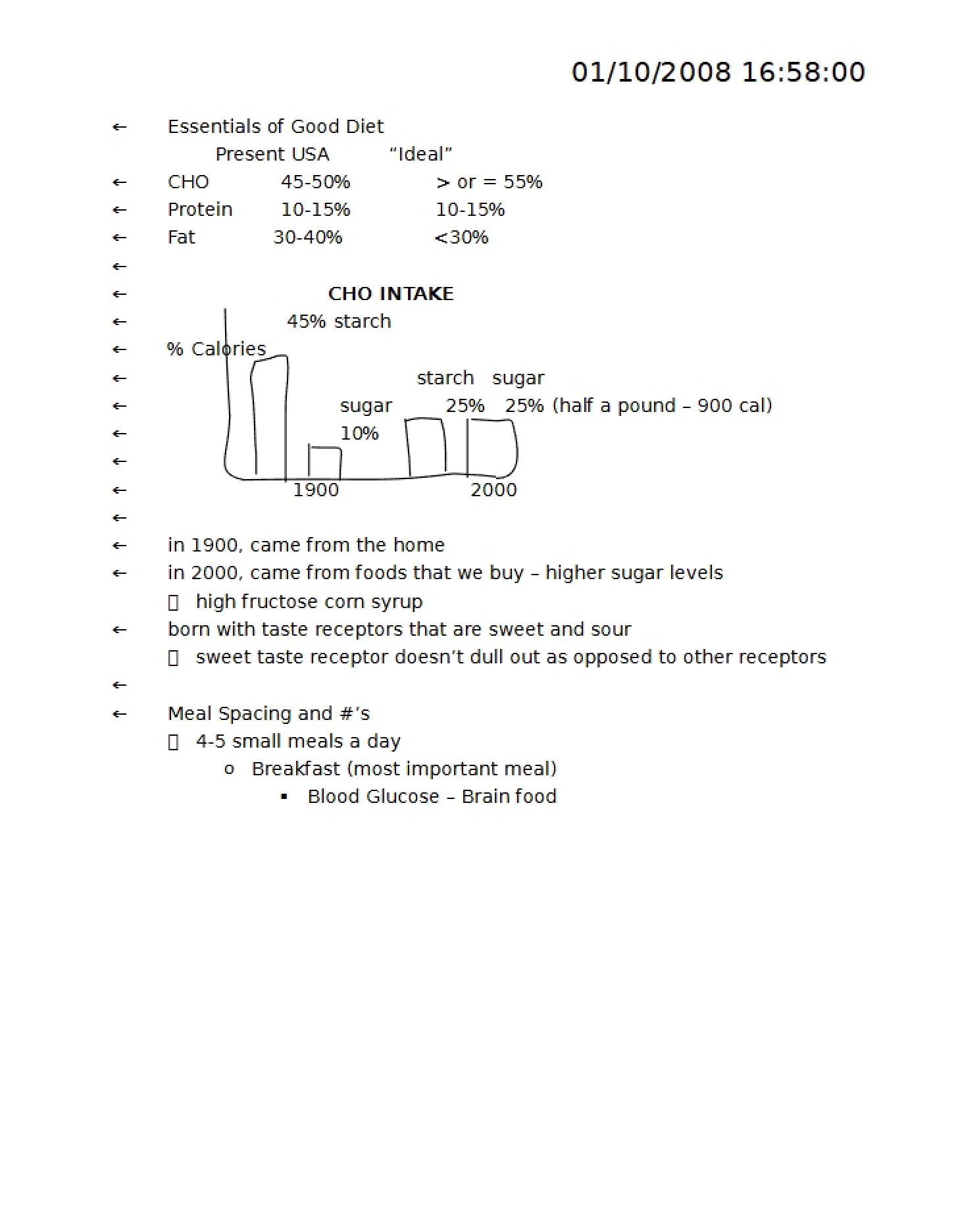
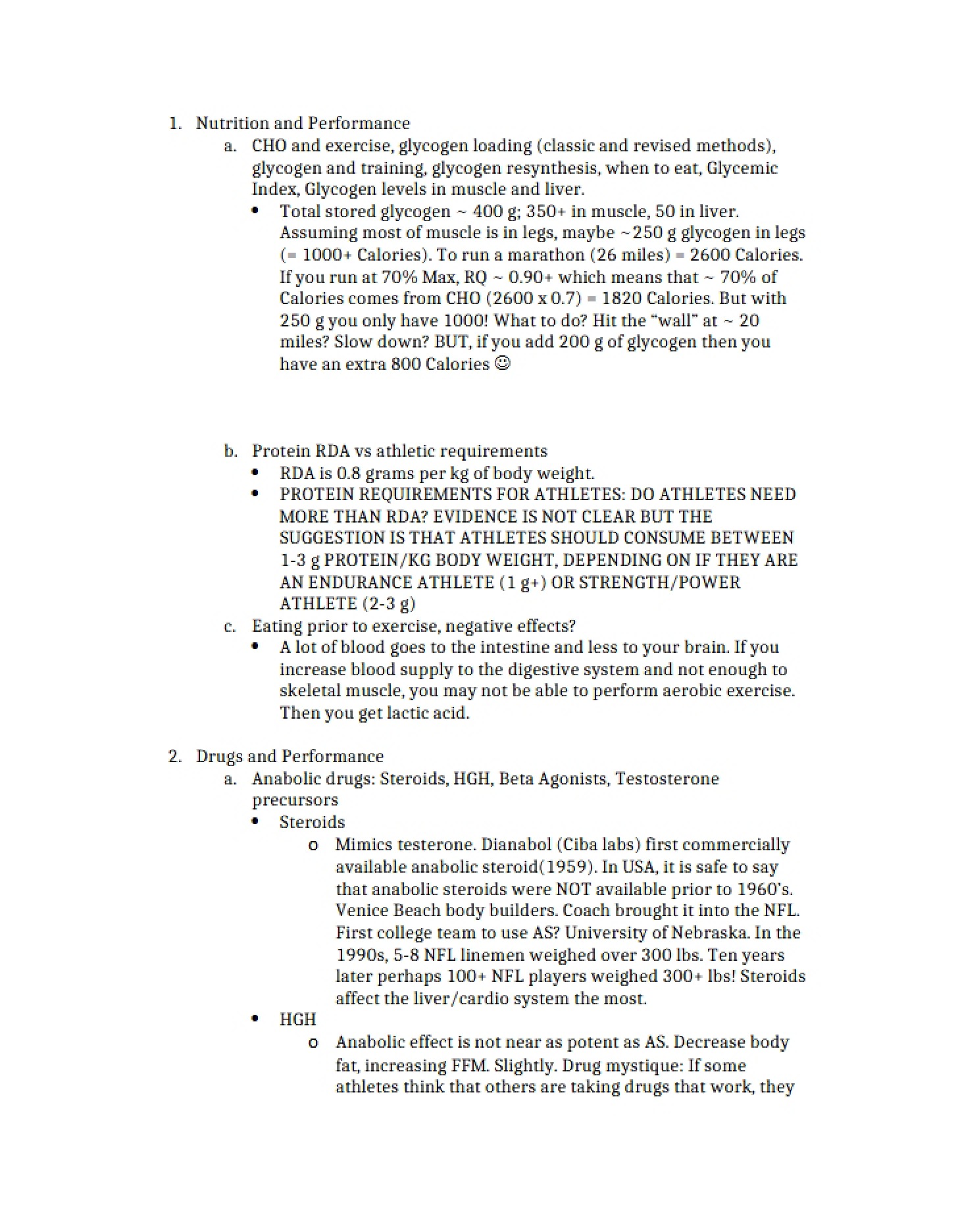
* Detailed examination of macronutrient requirements (specifically protein) for athletes and individuals engaged in resistance training.
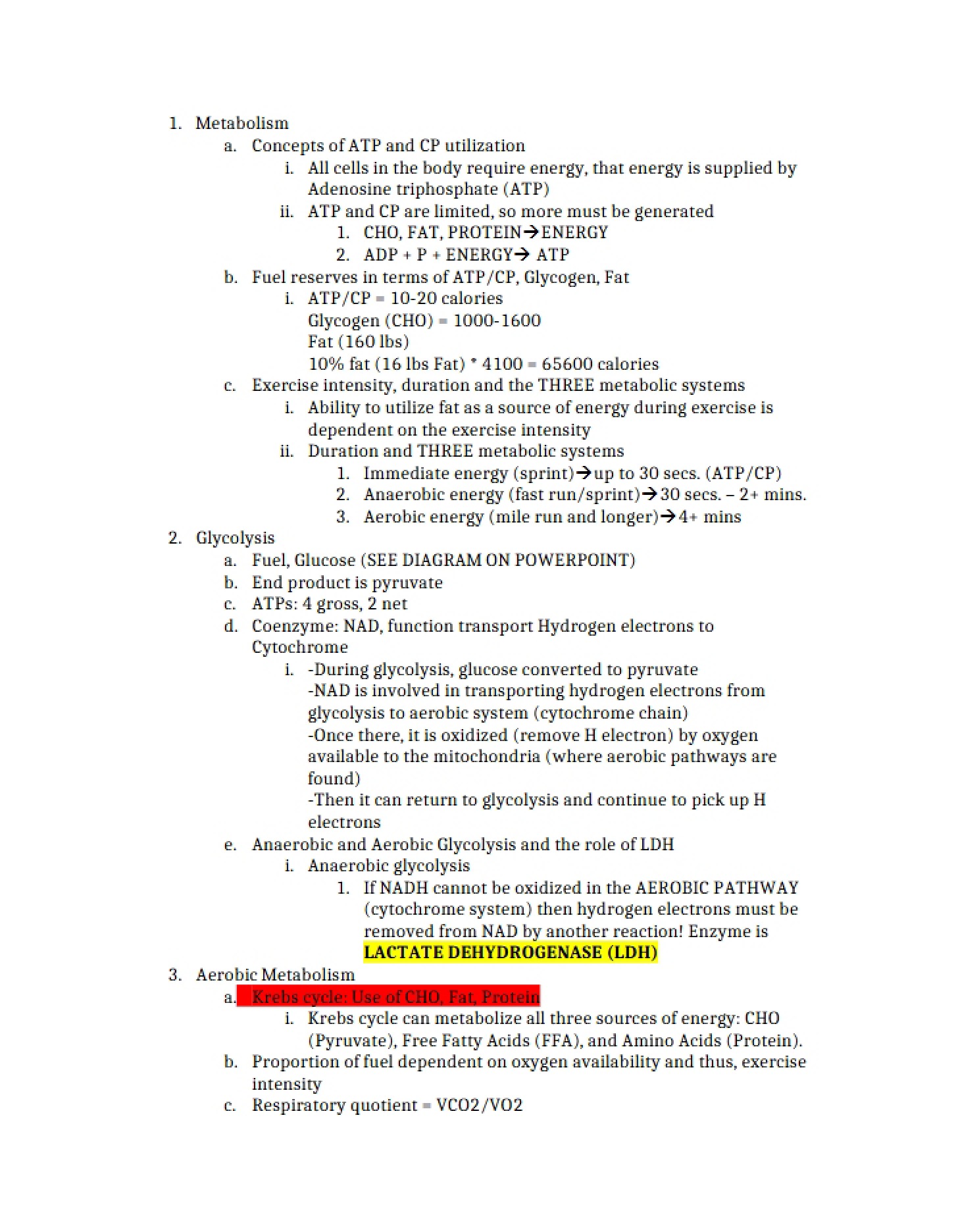
* An introduction to key metabolic pathways involved in energy production, including ATP/CP, glycolysis, and aerobic metabolism.
* Coverage of the interplay between anabolic and catabolic processes in muscle development and energy utilization.