What This Document Is
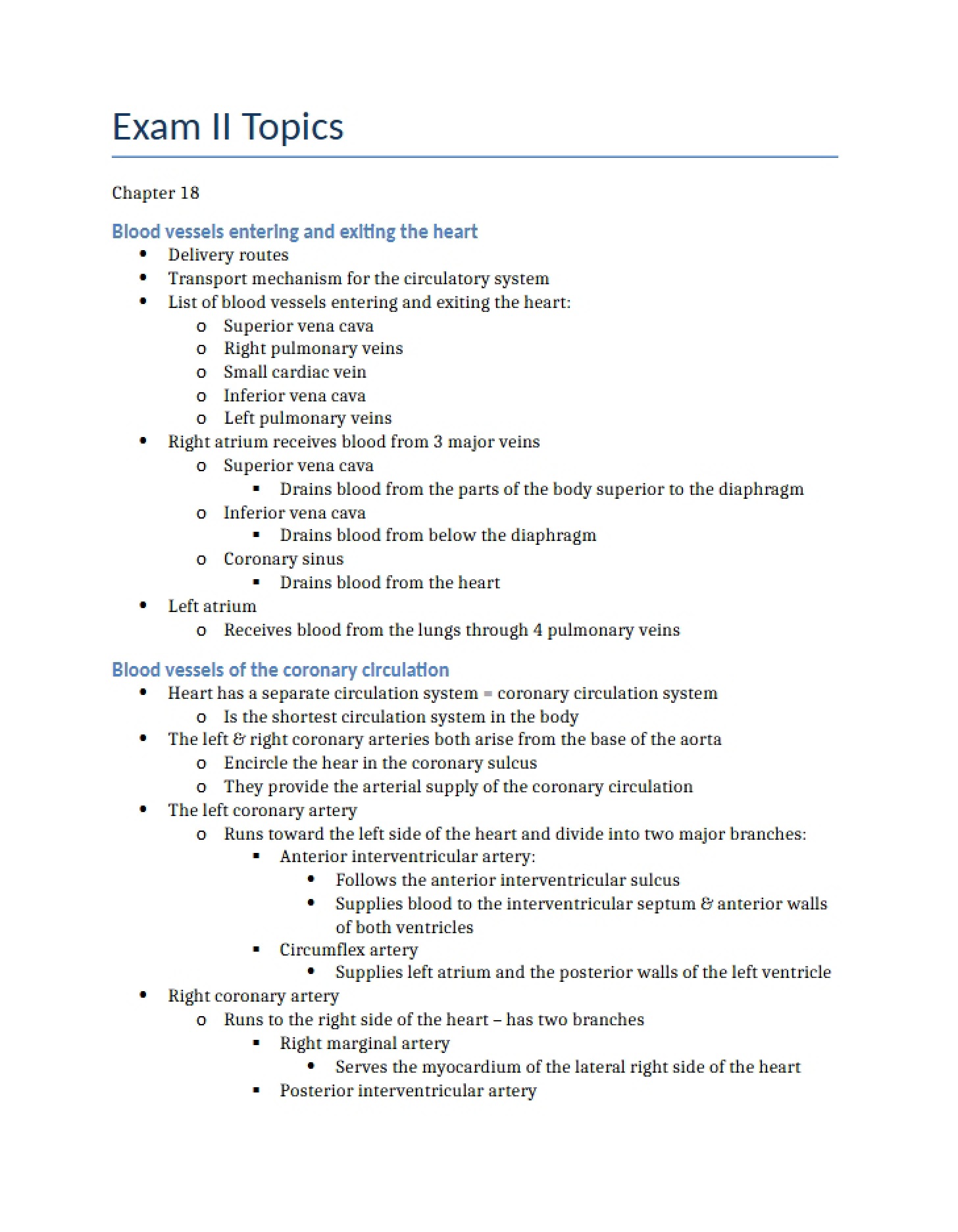
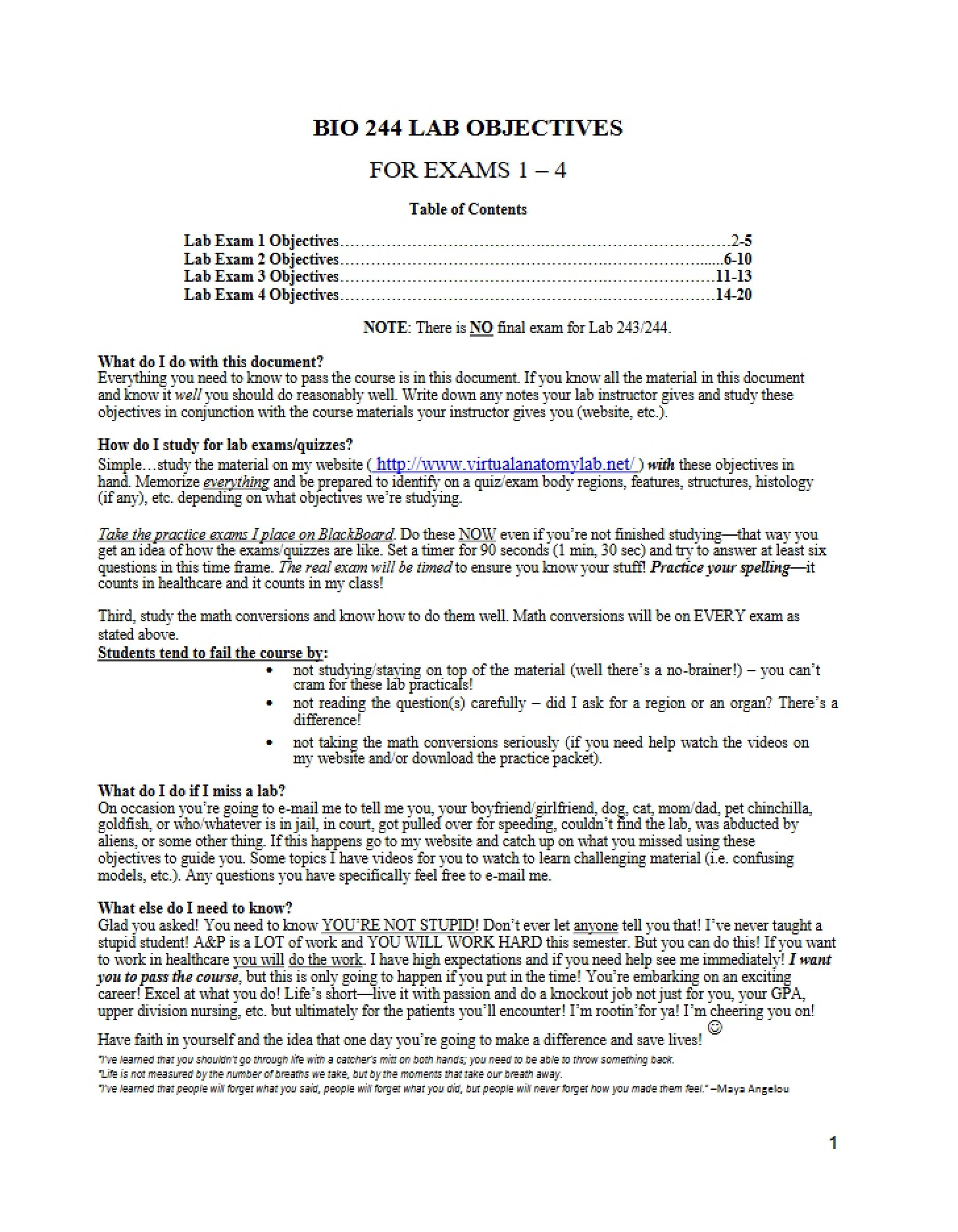
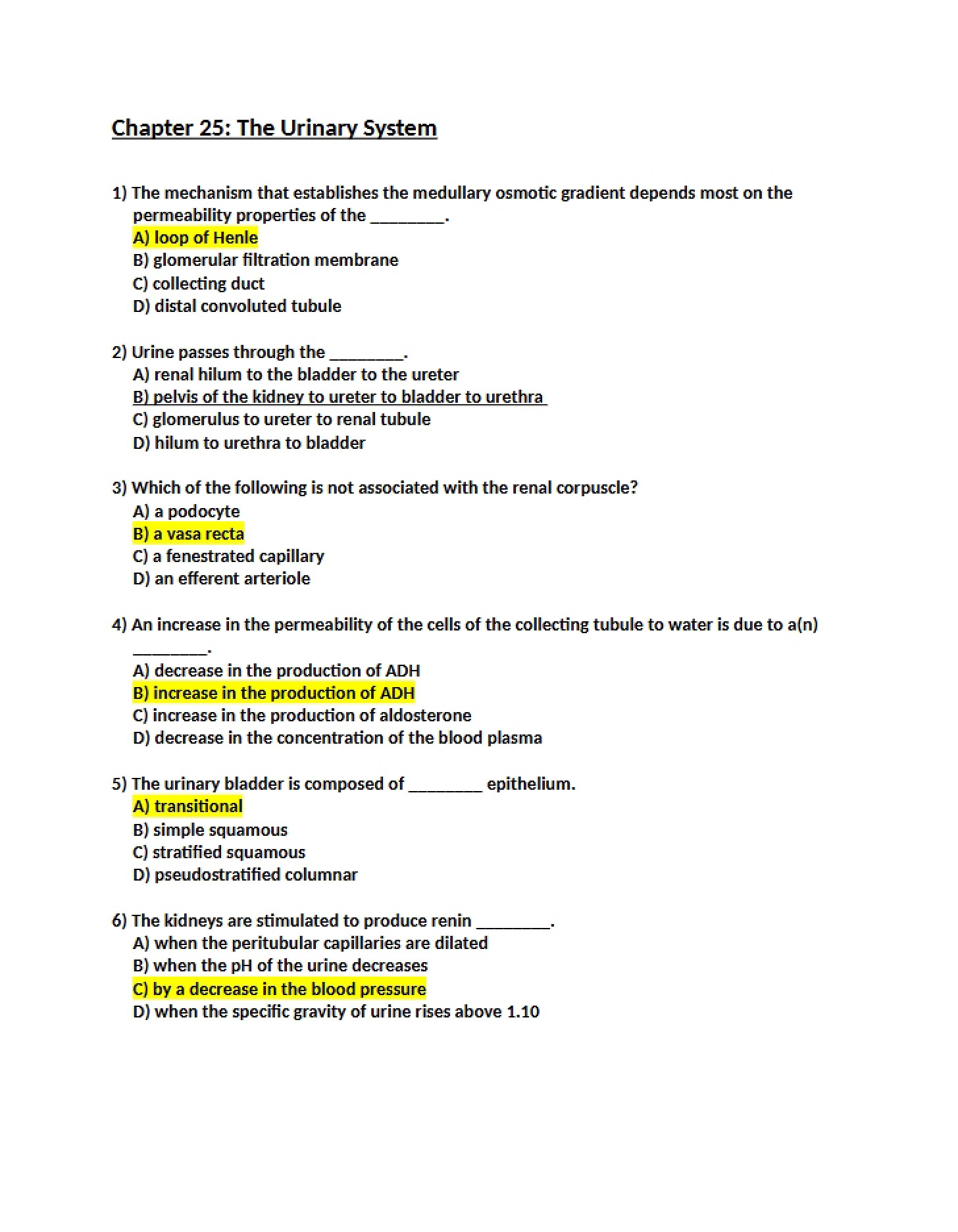
This is a focused study guide designed to help students prepare for Exam 1 in BIOL 244: Human Anatomy and Physiology II at the University of South Carolina. It concentrates on core concepts within the course’s coverage of the immune system, blood composition, hormonal regulation, and fluid/electrolyte balance. The guide is structured around key learning objectives identified by the instructor, aiming to consolidate understanding of complex physiological processes.
Why This Document Matters
This resource is invaluable for students aiming to solidify their grasp of foundational principles in human physiology. It’s particularly useful for those who benefit from a targeted review of essential topics before an assessment. Utilizing this study guide can help identify knowledge gaps and prioritize study efforts, leading to improved exam performance. It’s best used *in conjunction* with lecture notes, textbook readings, and other course materials – think of it as a powerful tool to synthesize your overall understanding.
Common Limitations or Challenges
This study guide is not a substitute for comprehensive course engagement. It doesn’t include detailed explanations of every concept covered in the lectures or textbook. It also doesn’t provide worked examples, practice problems, or direct answers to potential exam questions. The guide assumes a base level of understanding from attending lectures and completing assigned readings. It’s designed to *focus* your studying, not to replace it.
What This Document Provides
* Key areas of focus regarding innate and adaptive immune responses.
* Important distinctions in hormone mechanisms of action and their physiological effects.
* Core concepts related to blood composition, function, and regulation of blood cell production.
* Essential knowledge of lymphatic system components and their roles in fluid balance and immunity.
* Critical understanding of homeostatic regulation involving key hormones and their target organs.
* Important physiological parameters and their clinical significance.
* Focus on inflammatory responses and related chemical mediators.
* Key concepts related to metabolic disorders and hormonal imbalances.