What This Document Is
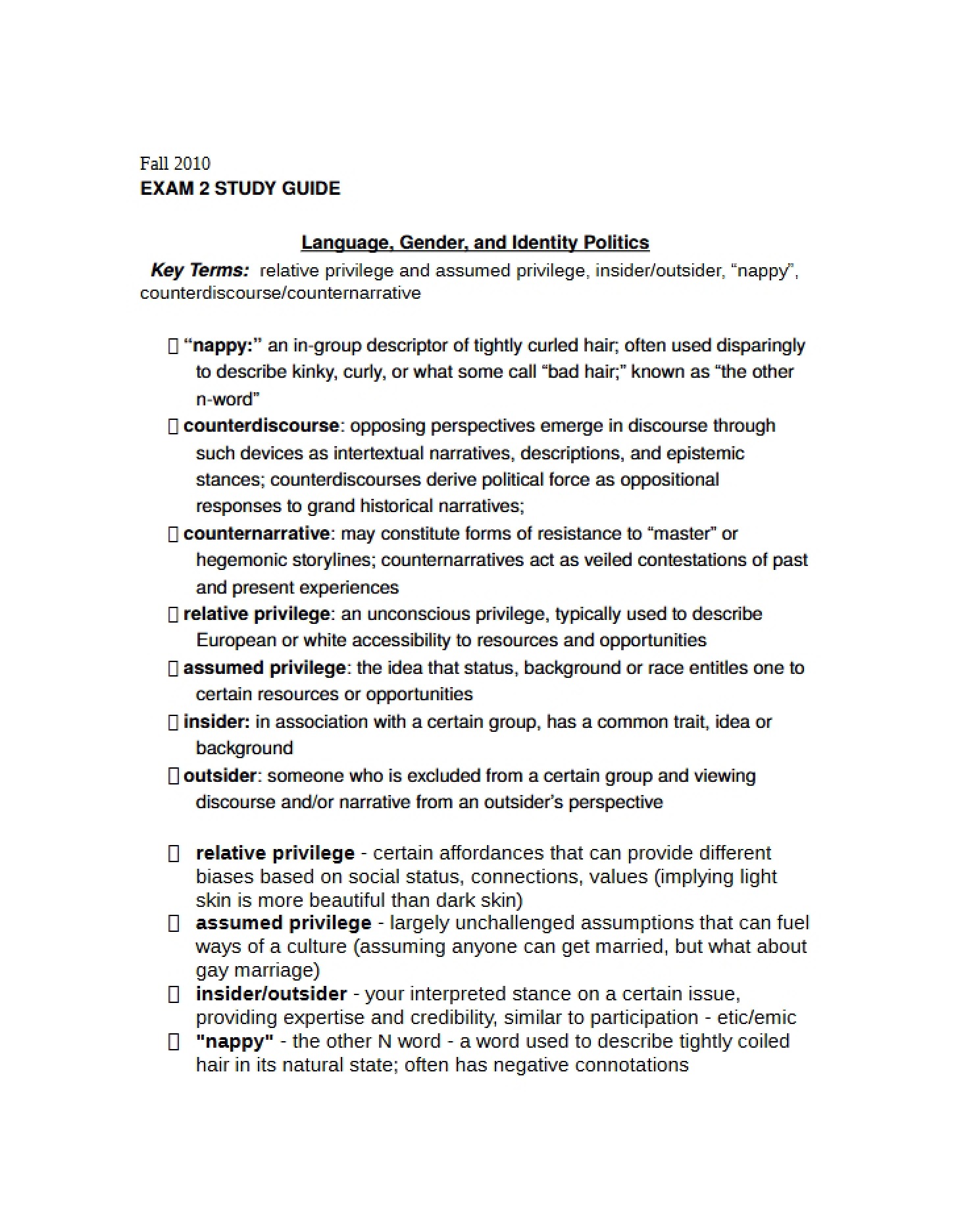
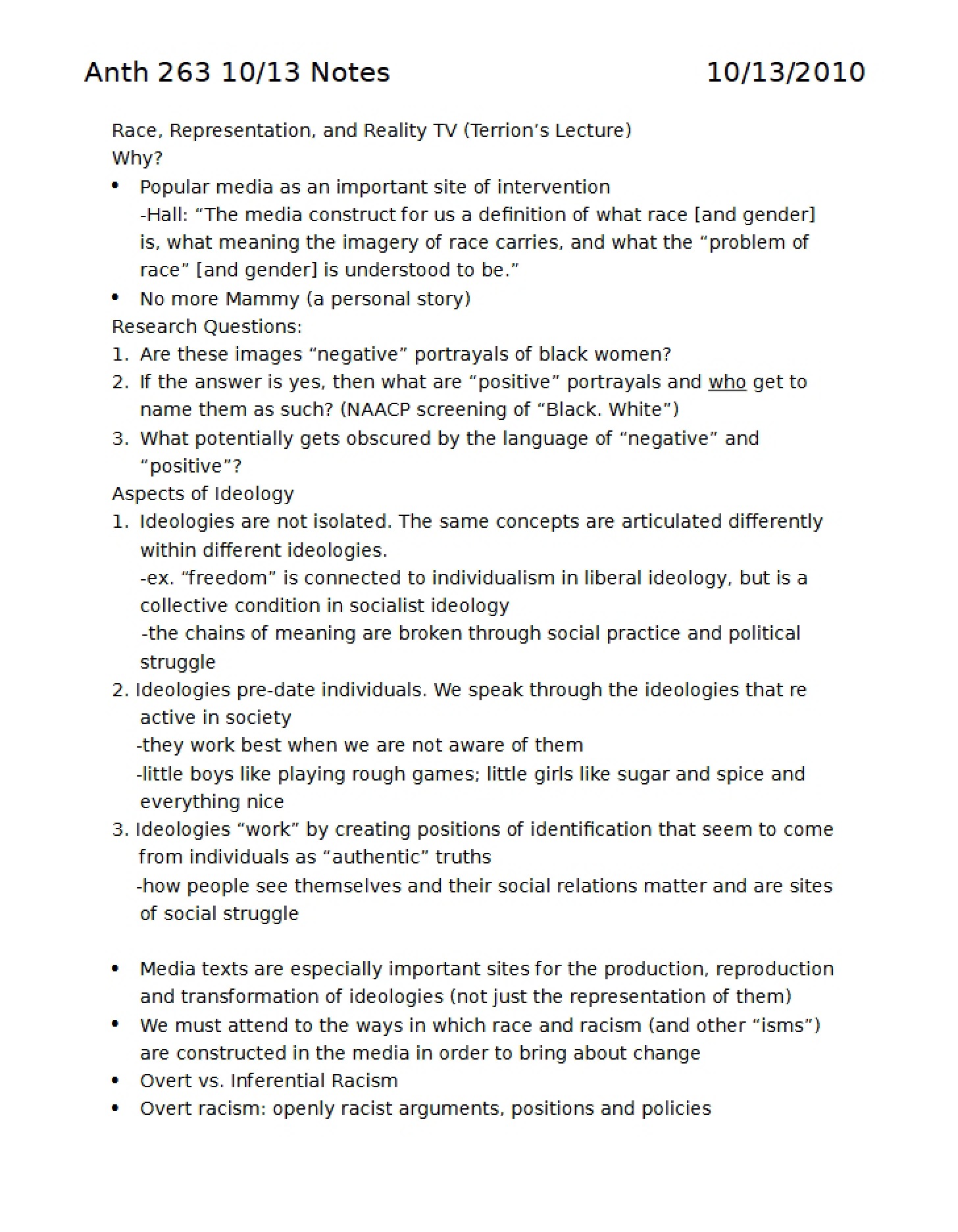
This is a comprehensive study guide designed to support students enrolled in ANTH 263G: Exploring Culture Through Film at the University of Southern California. It focuses specifically on preparing for the final exam, covering key themes and concepts discussed throughout the course. The guide delves into complex ideas surrounding identity, authenticity, and representation within popular culture, particularly as portrayed through film and television. It examines how notions of “realness” are constructed and negotiated in relation to race, ethnicity, gender, and other social categories.
Why This Document Matters
This study guide is an invaluable resource for students aiming to solidify their understanding of the course material and achieve success on the final exam. It’s particularly helpful for those who benefit from a structured review of core concepts and want to identify areas needing further attention. Students who engage with this guide will be better equipped to critically analyze films and media through an anthropological lens, understanding the cultural forces at play in shaping representation and identity. It’s most useful during the final weeks of the semester as you prepare for comprehensive assessment.
Common Limitations or Challenges
This study guide is intended as a *supplement* to course lectures, readings, and screenings – it is not a replacement for active participation in the class. It will not provide direct answers to potential exam questions, nor does it offer a complete transcript of class discussions. The guide focuses on outlining key areas of focus, but assumes a foundational understanding of the course material already established through regular engagement with the curriculum. It also doesn’t include the films themselves, or access to any external resources.
What This Document Provides
* A focused review of topics related to identity and authenticity in popular culture.
* Key questions and prompts for self-assessment regarding course concepts.
* Exploration of the complexities surrounding “racial authenticity” and its implications.
* Discussion points related to representation of specific groups in film and television.
* Guidance on analyzing how cultural markers contribute to perceptions of authenticity.
* Frameworks for understanding the construction of identity in relation to societal expectations.