What This Document Is
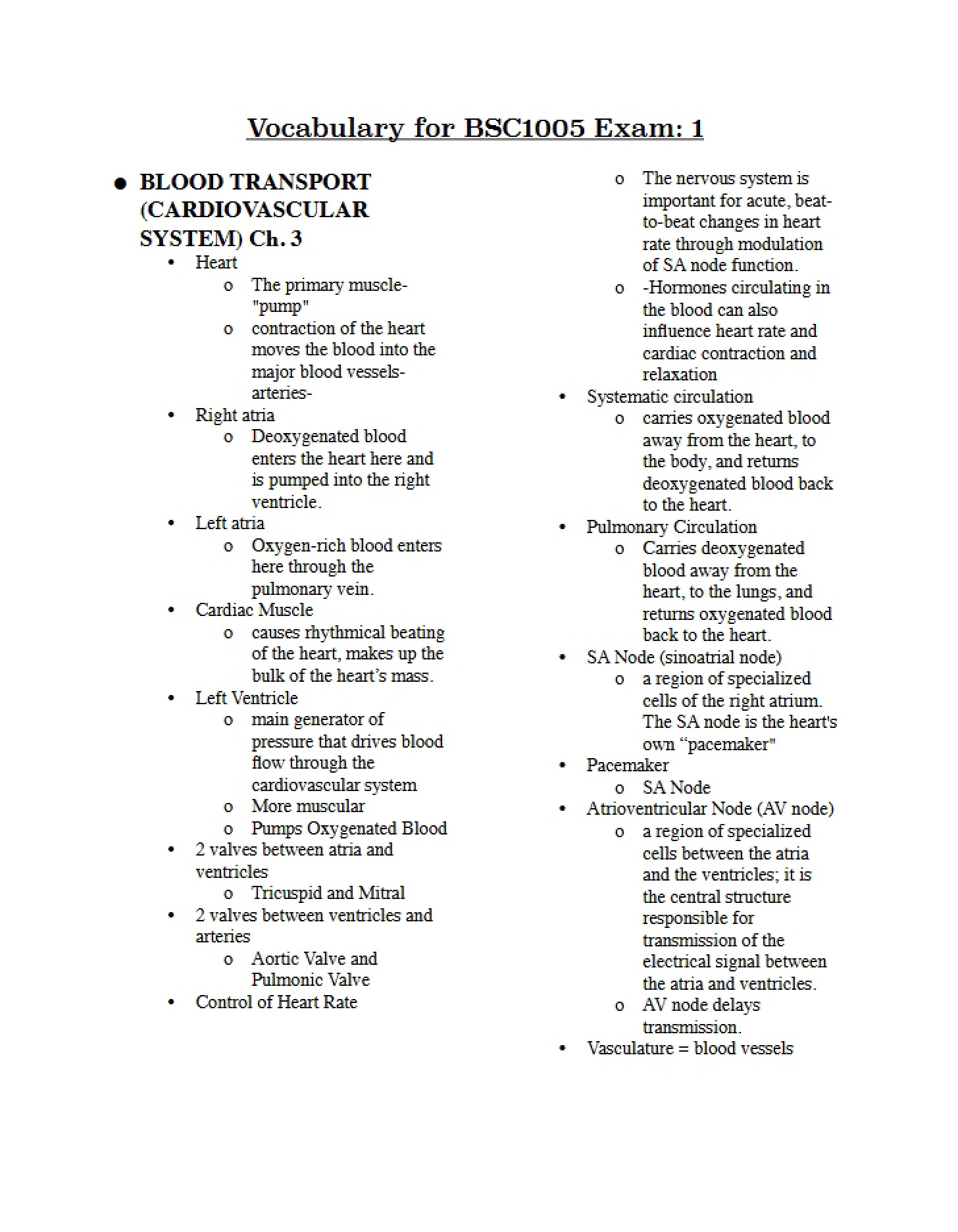
This is a comprehensive study guide designed to help students prepare for Exam One in BSC 1005 at the University of California, Los Angeles. It systematically reviews core concepts related to foundational biology, with a strong emphasis on plant life and energy systems. The guide consolidates key information presented in the course material, offering a structured approach to understanding complex biological principles.
Why This Document Matters
This study guide is an invaluable resource for students aiming to solidify their understanding of the fundamental principles covered in the first exam. It’s particularly beneficial for those who prefer a focused review, or who are looking for a way to connect different concepts presented in lectures and readings. Utilizing this guide can help you efficiently identify areas needing further attention and build confidence before the assessment. It’s best used in conjunction with course notes and assigned readings, serving as a powerful tool for active recall and test preparation.
Topics Covered
* The organization of life, from broad classifications to specific species.
* Historical timeline of life on Earth and the evolution of key biological processes.
* Energy sources and their impact, including renewable alternatives.
* Cellular structures in both plant and animal cells, and their functions.
* The process of photosynthesis and its components.
* Plant anatomy, including roots, stems, leaves, and flowers.
* Plant reproduction, including pollination and fertilization.
* Seed development and fruit dispersal mechanisms.
* Various pollination strategies and their relationship to plant characteristics.
* Introduction to aquatic photosynthetic organisms.
What This Document Provides
* A chapter-by-chapter breakdown of essential concepts.
* Key terminology related to biological organization and plant science.
* An overview of the roles of different plant structures in vital processes.
* A review of the stages involved in plant reproduction, from pollen transfer to seed formation.
* Insights into the diverse methods plants employ for seed dispersal.
* A foundational understanding of energy sources and their biological relevance.